Meaning
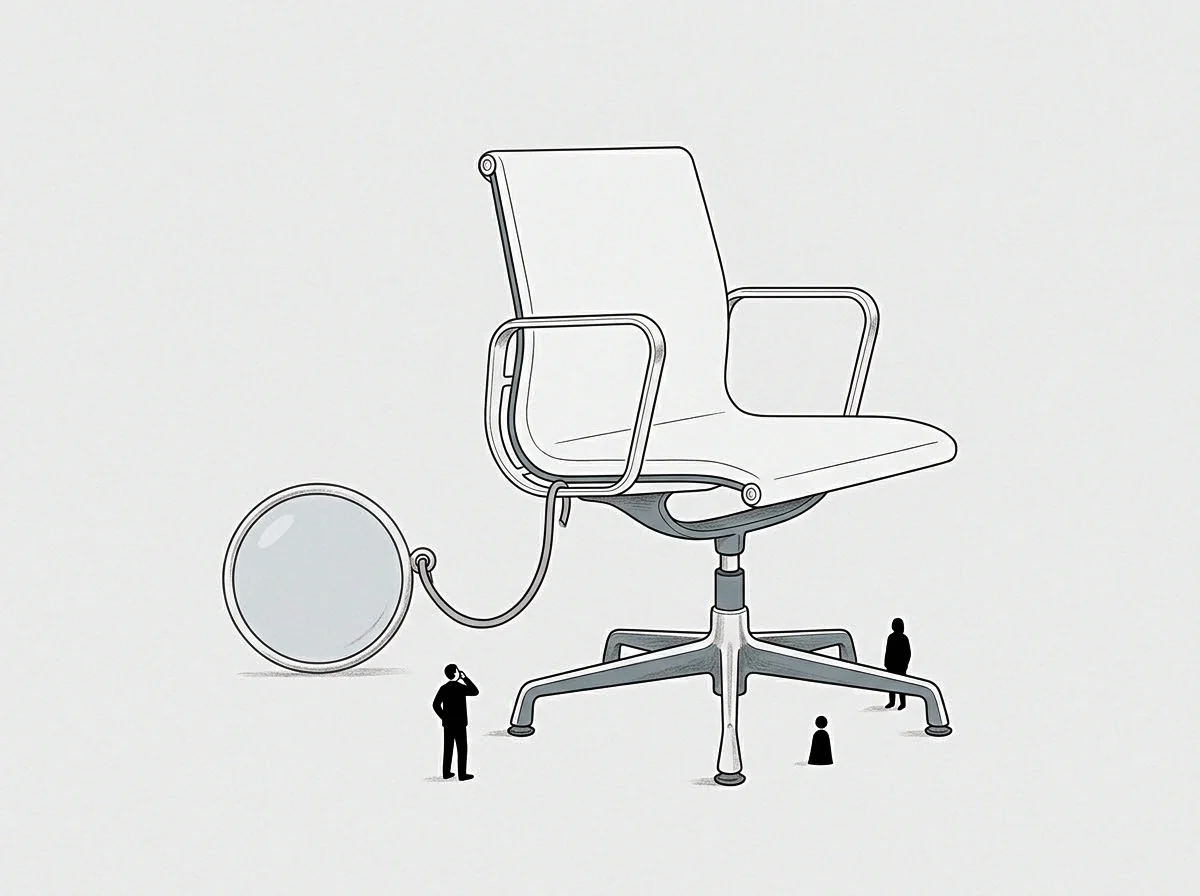
An operating condition of high cognitive and emotional expenditure characterizes the period when an individual must actively manage self-regulation and decision-making without the support of automated environmental routines. Within psychological and occupational research, expensive mode refers to this state of elevated internal energy consumption, where every focus shift and interpersonal interaction requires conscious oversight. The boundary of this state is reached when the individual either re-establishes a stable environment that automates daily choices or experiences complete exhaustion of active self-regulatory capacity.
Capacity Drain
Active self-regulation consumes attention at a rate that rapidly depletes personal resources. Operating in expensive mode forces the individual to rely on conscious effort for daily tasks that a structured environment usually automates, such as scheduling and prioritizing. This constant demand on regulatory function reduces cognitive capacity.
Without automated routines, the nervous system treats every minor event as a novel crisis requiring deliberation. Each decision triggers a full cycle of conscious evaluation. When the daily load consistently exceeds the rate of physical recovery, the quality of decisions degrades, leading to erratic choices.
Relational Friction
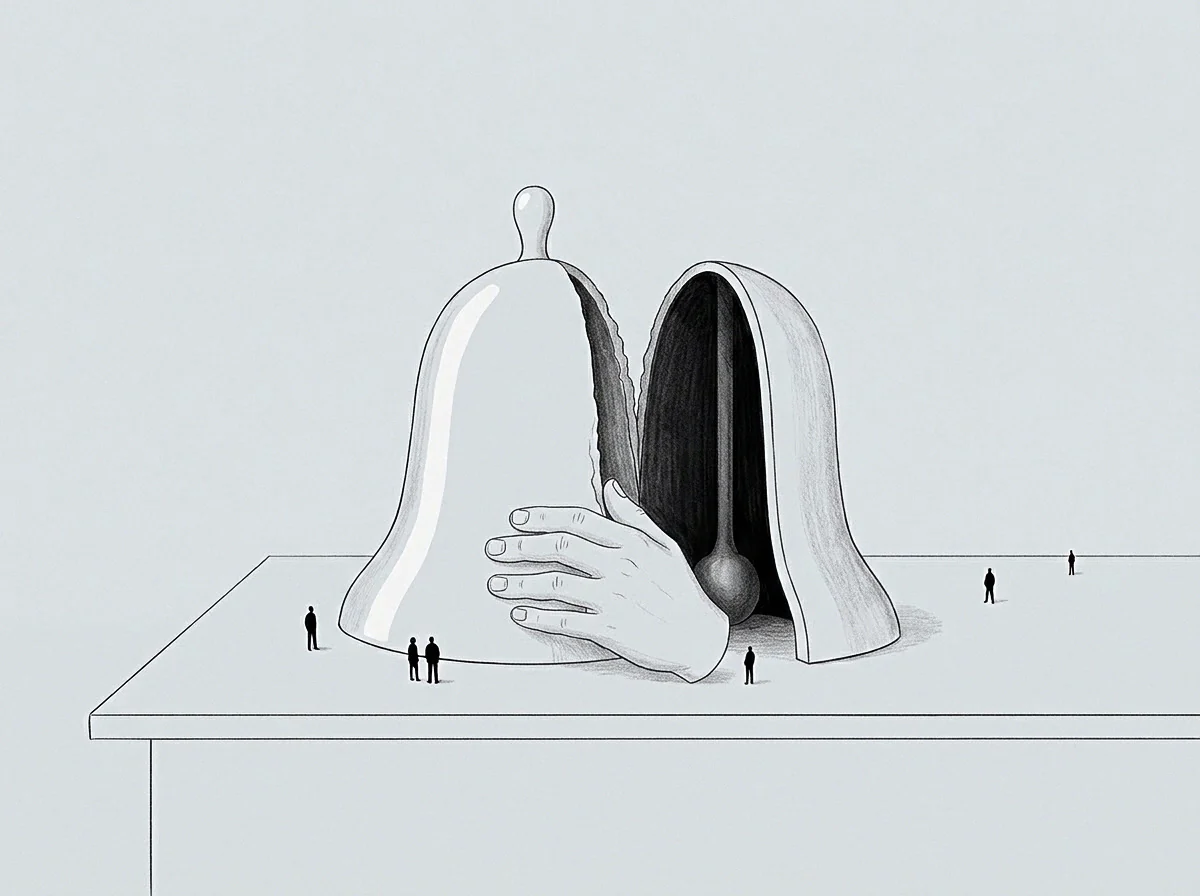
Interpersonal interactions become highly demanding when one party lacks the emotional reserves to project stability. In this expensive mode, the individual can no longer offer cheap regulation to partners or employees, who previously relied on that calm presence to stabilize their own work. This depletion creates a secondary effect where colleagues must exert more of their own energy to navigate the relationship, raising the total friction within the workspace.
The covert contract that once allowed others to borrow stability silently dissolves, leaving both parties to account for the emotional cost of every transaction.
Boundary Condition
Environmental predictability acts as the primary defense against the prolonged depletion of self-regulatory assets. Exit from expensive mode occurs only when the individual establishes a new baseline of habits or transfers the regulatory load to an external structure that automates daily choices.