Meaning
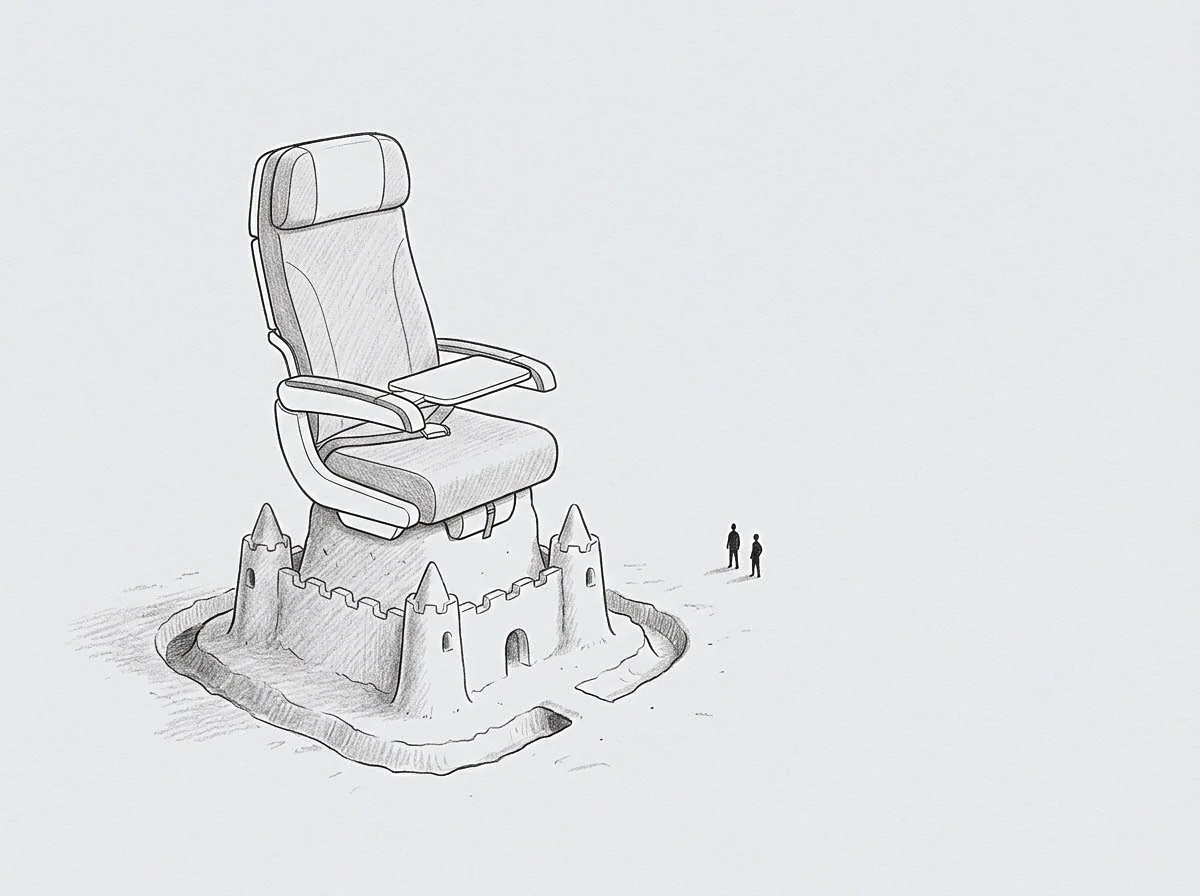
A functional role within an active venture represents the specific position responsible for the daily execution of recurring deliverables and immediate task resolution. This operator seat requires continuous presence to process incoming demands, maintain production schedules, and ensure that standard outputs are delivered on a fixed schedule. Work is unyielding.
It is distinguished from the ownership position, which focuses on capitalization, asset valuation, and long-term positioning without being tied to a daily shift. The role ceases to apply when tasks are fully automated or delegated to hired managers, freeing the founder from the immediate schedule of production.
Execution Load
Maintaining continuous presence within a business operation generates a high burden of constant responsiveness. The operator seat demands that a person remains available to handle incoming queries, coordinate workflows, and resolve unexpected bottlenecks as they arise. Daily labor accumulates.
This requirement of being constantly on call prevents the individual from engaging in deep planning, analyzing long-term plans, or assessing market trends. A founder who remains in this position absorbs a high personal toll in daily hours and cognitive focus, restricting the ability to work on the venture. This ongoing commitment of energy means that personal bandwidth becomes the ultimate limiting factor for venture growth, as no new systems can be designed when the manager is fully occupied with survival tasks.
Capacity Drain
The division of attention between managing current operations and designing future systems creates an unsustainable friction for an early-stage founder. Holding the operator seat while trying to direct long-term growth means that urgent tasks always crowd out the important ones. This costs time.
When every hour is consumed by immediate delivery cycles, the energy required to build scale is depleted.
Transition Protocol
Vacating the daily schedule requires a deliberate transfer of responsibilities to a structured team or a set of automated processes. Moving out of the operator seat involves defining each recurring task, documenting the necessary workflows, and hiring competent managers to run them independently. It represents a hard boundary.
This delegation process reduces the venture’s reliance on the founder’s personal intervention, allowing the venture to function as an independent asset. Once the transition is complete, the founder can focus on oversight, capital allocation, or new ventures without the burden of daily execution.