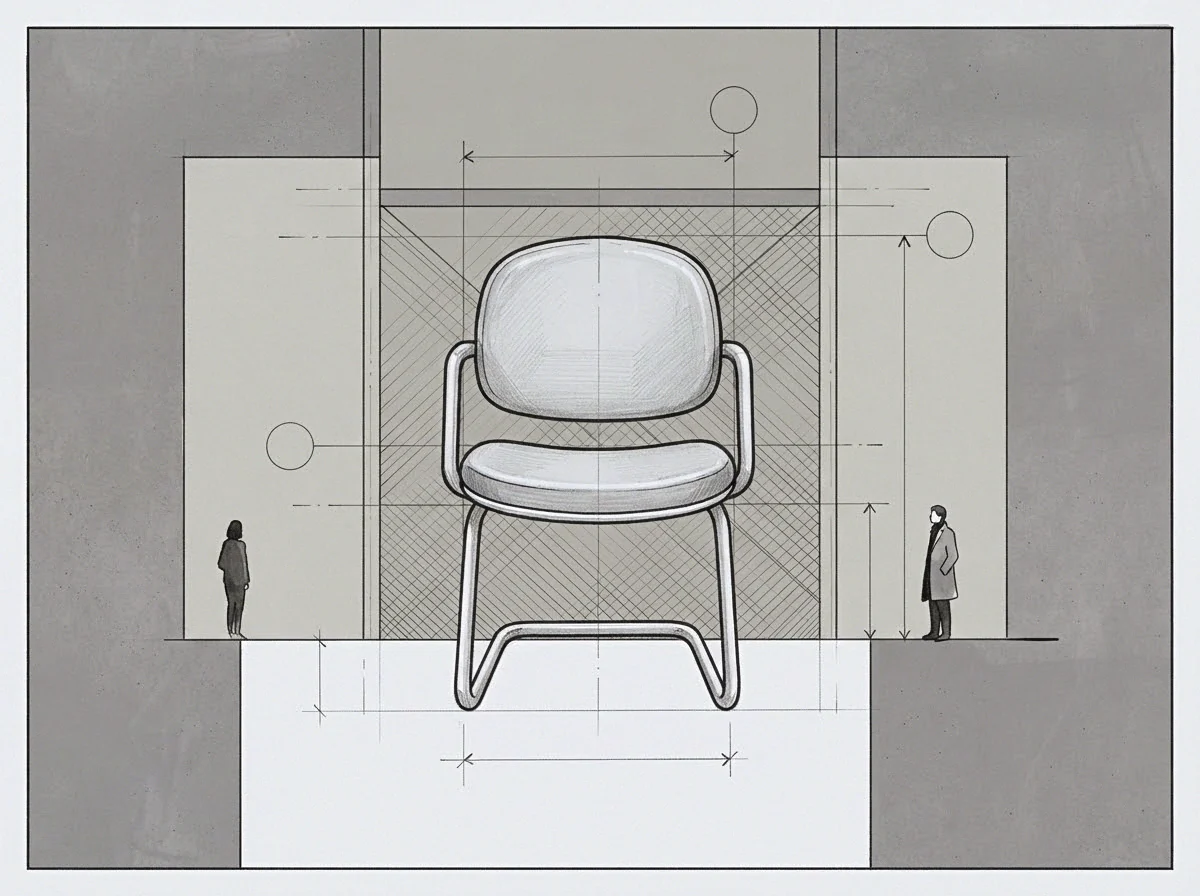
Meaning
Parentification is a psychological and relational dynamic where an individual is compelled to assume responsibilities typically held by an adult. It describes the process by which a person, often at a young age, takes on the emotional or instrumental roles usually fulfilled by parents or other mature figures within a system. This involves tasks such as mediating conflicts, providing emotional support, or managing practical aspects of an environment that are beyond their developmental capacity or appropriate role.
The individual in this position acts as a stabilizer, often for the benefit of the system’s other members, without commensurate recognition or support. Parentification is a concept originating in family systems theory, but its dynamics can be observed in various relational arrangements where one party assumes an outsized burden of care or functional maintenance. It profoundly shapes a person’s approach to responsibility and work in later life.
Role Assumption
Parentification involves the assumption of a role that is fundamentally misaligned with an individual’s position within a system, compelling them to act as a primary caregiver or system manager. This can be instrumental, where a person handles practical tasks or financial matters for others, or emotional, where they become the primary source of emotional support or conflict resolution. In a founder’s context, this might translate into perpetually anticipating client needs, managing internal team dynamics that others avoid, or carrying an unspoken load of emotional labor for the health of an arrangement.
The individual implicitly takes on the role of holding the system steady, often without being asked, driven by an innate drive to maintain stability and prevent perceived collapse.
Unseen Burden
The responsibilities taken on through parentification often constitute an unseen burden because the work performed is either unacknowledged or simply perceived as an inherent aspect of “who that person is.” This work is critical for the functioning of the system, yet its essential nature is frequently overlooked by those who benefit from it. The individual absorbs the stresses and responsibilities that others do not or cannot carry, creating a stable environment but at significant personal cost. For a founder, this burden can result in constantly being the one to “keep the temperature down” or “head off problems,” tasks that never appear on a service agreement or an invoice, consuming precious mental and emotional resources.
Relational Cost
The long-term relational cost of parentification for the individual in the seat is significant, manifesting as a pervasive sense of responsibility and a difficulty in relinquishing control. This dynamic can lead to a founder feeling solely accountable for the success or failure of arrangements, even when other parties are equally involved and should share the load. The constant expenditure of emotional and energetic capacity in these stabilizing roles can lead to chronic burnout and a profound feeling of being unseen or unappreciated for the fundamental, unacknowledged work performed.
This relational pattern, once established, makes it challenging for the individual to transition out of the role, as the system itself relies on this hidden input for its continued operation, creating a self-perpetuating cycle of responsibility.