Meaning
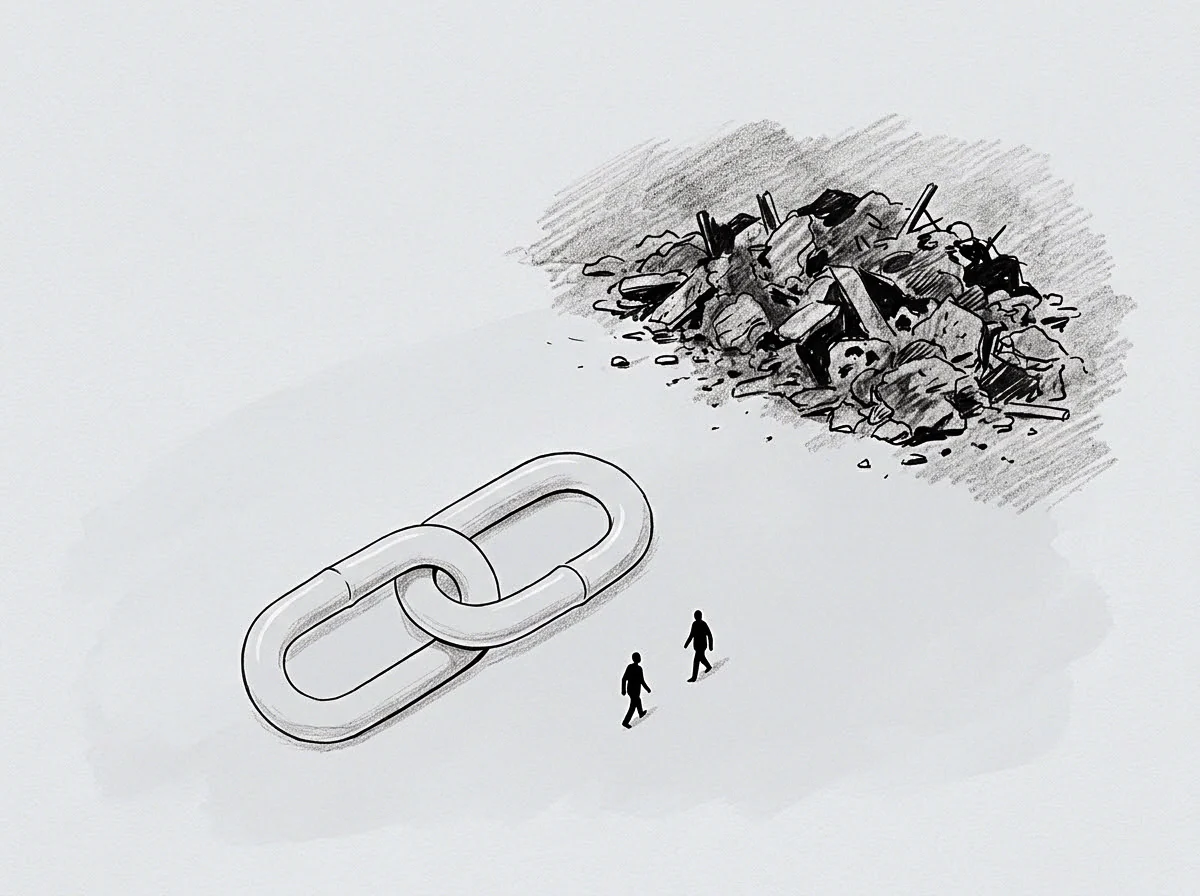
The history of ownership or location of an object, artifact, or record, tracing its journey from origin to its current state. Provenance provides a documented account of an item’s past, establishing its authenticity, chain of custody, and historical context. This record verifies the item’s identity and status as genuine or unaltered.
It is a critical component for establishing trust and verifying the history of valuable assets or data.
Legitimacy Proof
Establishing provenance provides critical proof of an asset’s legitimacy and authenticity to all parties. For intellectual property, a clear chain of creation and ownership protects against claims of infringement and validates the founder’s rights to the work. For physical goods, a verifiable history assures clients of the item’s origin and quality.
This process builds trust and confidence among all parties involved, confirming the origin and validity of a claim for the arrangement.
Value Attribution
Provenance directly contributes to the perceived and actual value of certain assets or work, establishing a direct link to market standing. An item with a complete and verifiable history, detailing its creation, alterations, and transfers, often commands a higher value than one with an unknown background. This is particularly true for unique digital assets, specialized data sets, or rare physical goods where authenticity dictates market price.
The founder incurs the cost of maintaining this historical record, as it is foundational to attracting certain clients or securing specific market positions that depend on verified authenticity and a transparent history.
Record Keeping Cost
Meticulously maintaining a comprehensive record of provenance involves a continuous and often substantial record keeping cost for the founder and the operational team. Each transfer of ownership, significant alteration, or change in location for an asset must be accurately documented, dated, and stored in an auditable manner, often spanning many years. This can demand specialized systems for tracking, archiving, and verifying data, consuming significant operational hours, financial resources, and dedicated attention.
Failure to maintain a clear provenance can result in disputes over ownership, severe devaluation of assets, or the inability to prove legal claims, costing the founder in lost revenue, protracted legal battles, or irrecoverable reputational damage. This ongoing data load ensures the future defensibility of asset claims and the long-term value of the underlying work.