
Grip is a location
Whatever I supply before an arrangement is spoken binds me and not the other seat. The point where leaving stops being free can be found, it moves with what I hand over, and the only gate that holds it in place is a price stated before the first piece of work.
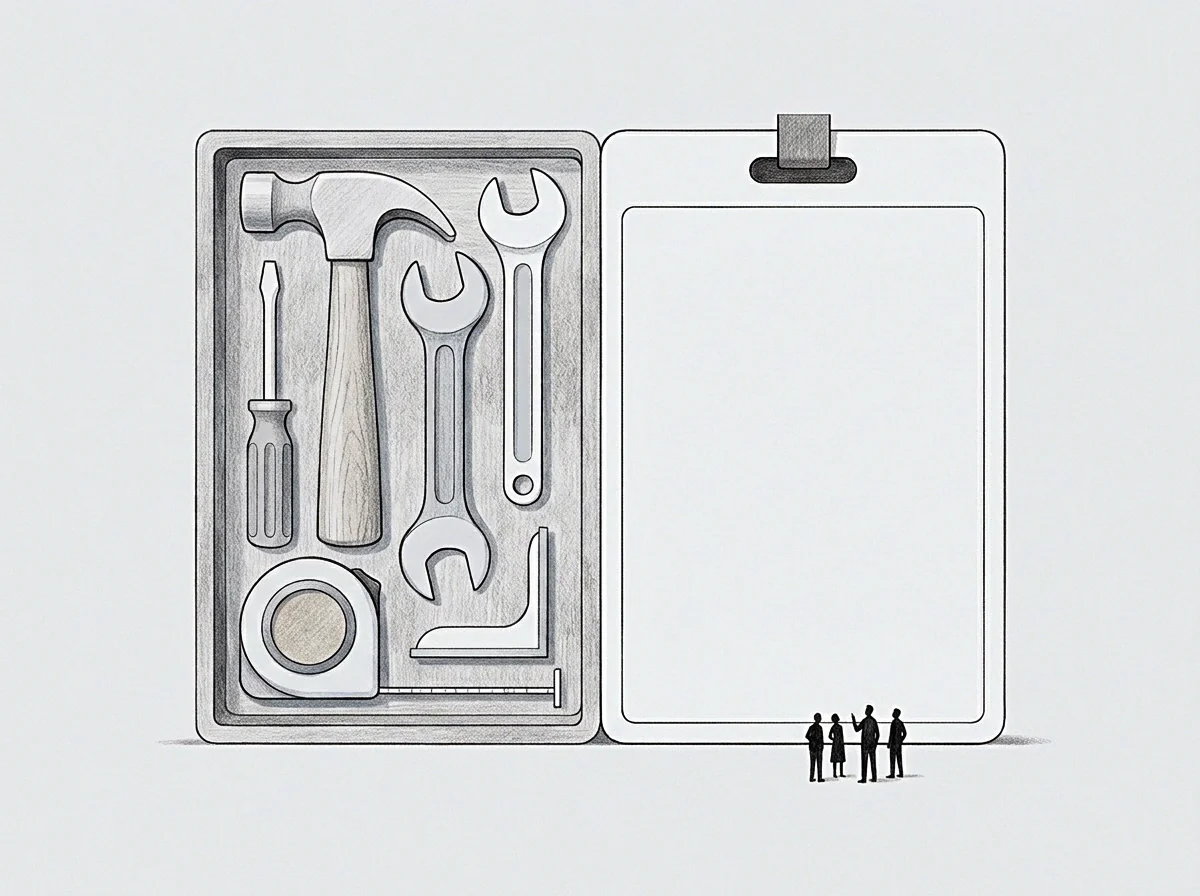
Grip
Every arrangement has a point past which walking away is no longer free. Before that point a person can leave and nothing is lost: no hours to write off, no work to abandon halfway. After it, leaving has a price, and the one who put something in pays it.
I call that point grip. It is not a mood. It sits at a place in the sequence, and the place can be found.
The sequence runs in one order. Something is supplied before any term exists: labour, care, attention, whatever the giver has in reach. The person supplying has made an investment, and the investment holds the one who made it.
Not the receiver. The giver. So when a condition finally needs saying, it comes from inside grip, where a condition no longer sounds like a condition.
It sounds like something being taken away. Both sides hear it as a withdrawal, the giver feels guilty for it, guilt buys delay, delay lets more cost pile up, and each week the same short sentence gets harder to say.
Provision builds grip, and it builds it on the side that provides.
For a long time I had a softer word for this, which was being useful. I felt safe being useful. If what I bring to a table is the work, then the work is what gets weighed, and nobody leaves the one they still need.
I took months to see that the useful role was not generosity and not a quirk of character. It was the origin point of the whole chain, repeated in arrangement after arrangement, and the grip it made was mine.
Nobody tied me to anything; I tied myself, early, with my own competence.
Laid out end to end, the chain has seven links, and the counterpart changes nothing in it:
- supply arrives before there is an arrangement;
- grip sets early, in the one supplying;
- from that moment, cost starts to build;
- any term said now is expensive;
- boundaries get put up where terms should have been;
- the boundaries escalate;
- the arrangement ends, quietly or with a bang.
I found this shape in several seats before I saw that it was one shape. Not several kinds of counterpart. One move of mine, started from the same place every time.
The term I hold now does not describe the other seat at all. Nothing gets built, repaired or carried for anyone until the arrangement is said out loud and answered. It is a small term.
What it moves is the location of grip: off the spot where my usefulness dropped it, and onto a spot I chose.
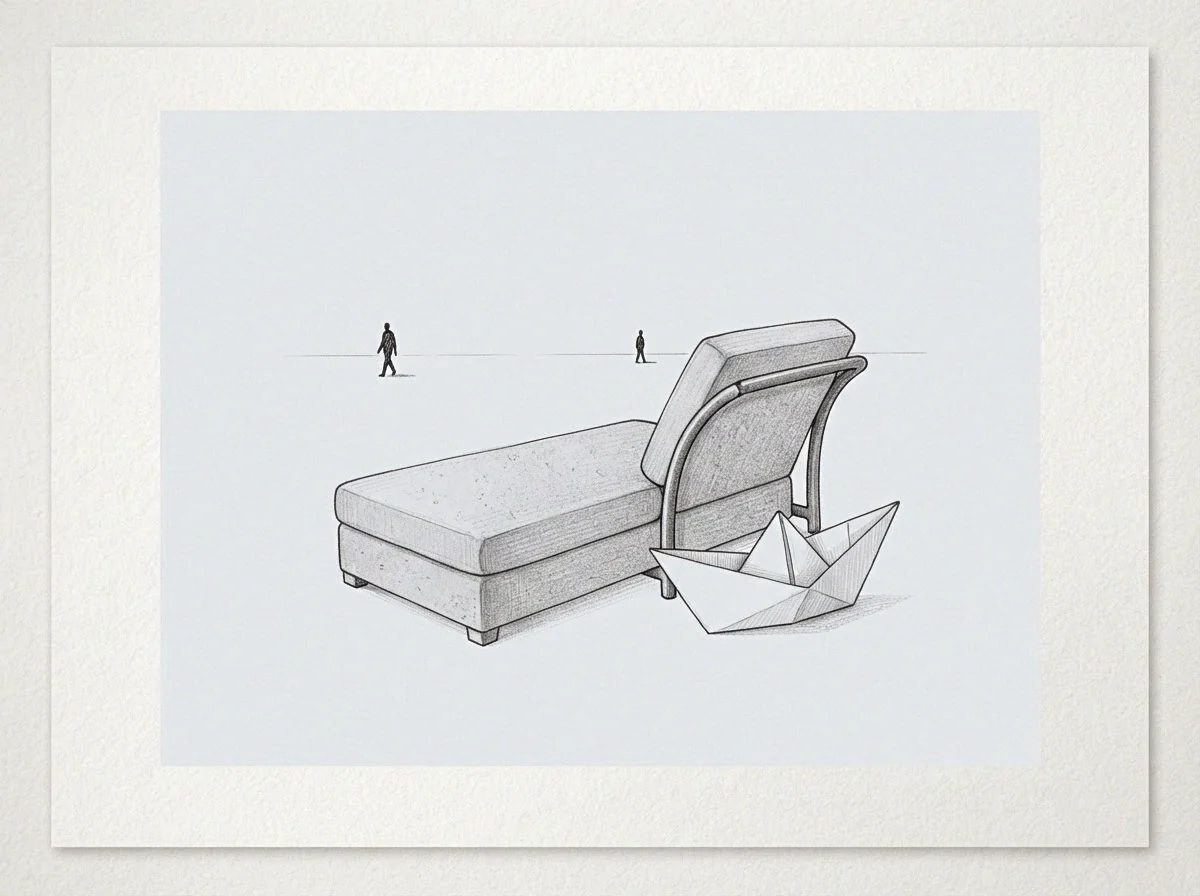
Terms
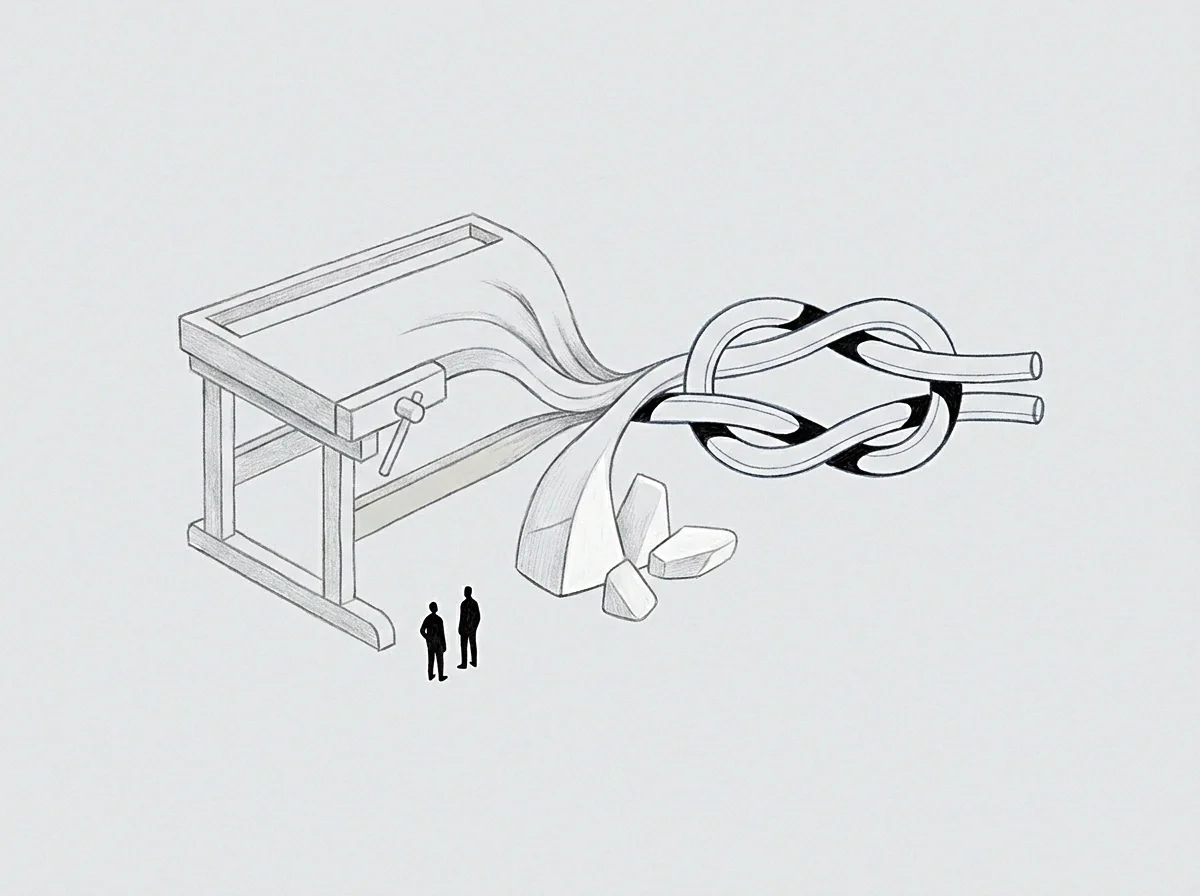
Two Objects Folded Into One
For most of my working life I carried the term and my regard for a person as one object, so a stated condition felt to me like love being rationed. They are two objects. A term is what both seats agree to do inside the arrangement.
Regard is what I hold for who someone is, and it asks nothing back. I read a condition as a limit on acceptance. It works the other way round.
The protection has to move somewhere once the terms are taken away. If the arrangement does not carry my exposure, only my reading of the person can: watching, testing, leaving small obstacles to see what a counterpart does with them, then starting the whole reading again next month because nothing ever closed. The person is free of that exposure once a term is in, because the arrangement carries it.
Structure was never what kept people at a distance from me. It is what makes closeness cheap enough to afford, because what I risk no longer rests on anyone turning out to be good. The research on unconditional acceptance draws the same line.
What it removes is a global rating of the person; rating acts and arrangements stays in.
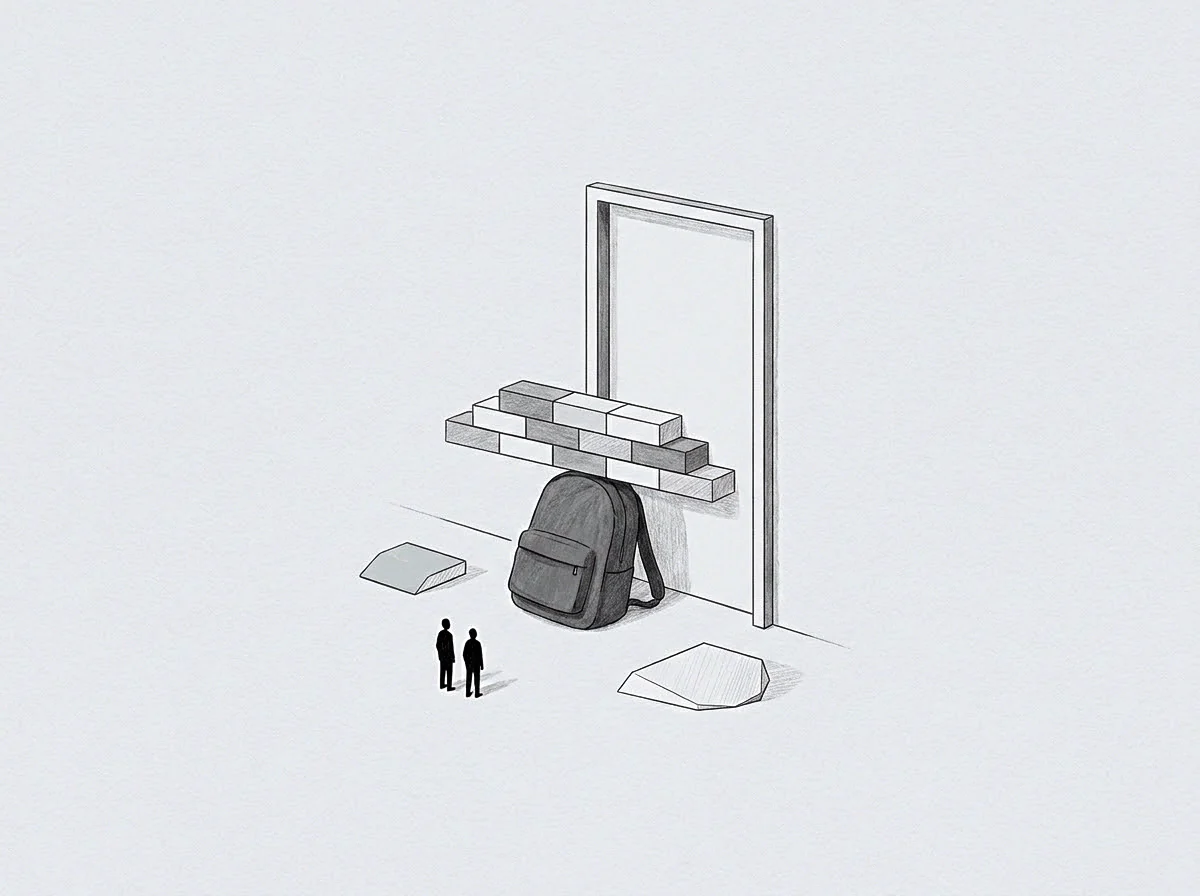
The Instruments Keep Their Place
What I carry is decades old. I pick up a room before anybody in it has spoken, I know something is off while there is still no word for it, and a handful of sentences gives me the outline of whoever said them. None of that was the fault.
The fault was where it pointed.
Pointed at a person, the kit asks whether this one is safe, whether this one can be trusted. Nobody can answer that, so the monitoring stays on, low and constant, behind every other task. Pointed at an arrangement, it asks whether the thing works and whether the reply to my term says carry on.
That one has an end. The kit does not change. The question it serves does, from a loop that never closes to one that does, and the part of me facing people is let off sorting.
A test nobody announced gets passed by luck or not at all.
A stated term gives a counterpart something to meet on purpose. Whoever stays after that has chosen to stay, instead of happening to fit a private spec I never said. The seat that results is a better one to sit in and a cheaper one to run, since nothing is left to monitor.
The term belongs before the first thing is handed over, not after the first thing goes wrong.
Gate
The mechanism did not stay in the personal layer. Not long after I named it, it turned up in how I sell.
The first reading I make of somebody’s business, in a first meeting, is not a sample. It is the product.
I hand it over for free and it does what every early supply does. It sets grip before a term is on the table, and here it sets it on both sides. I am invested in my own analysis.
The receiver has formed an expectation, and walking away from an expectation costs something too. That is grip seen from outside: not a feeling in anyone, a structural fact about where the scale tipped.
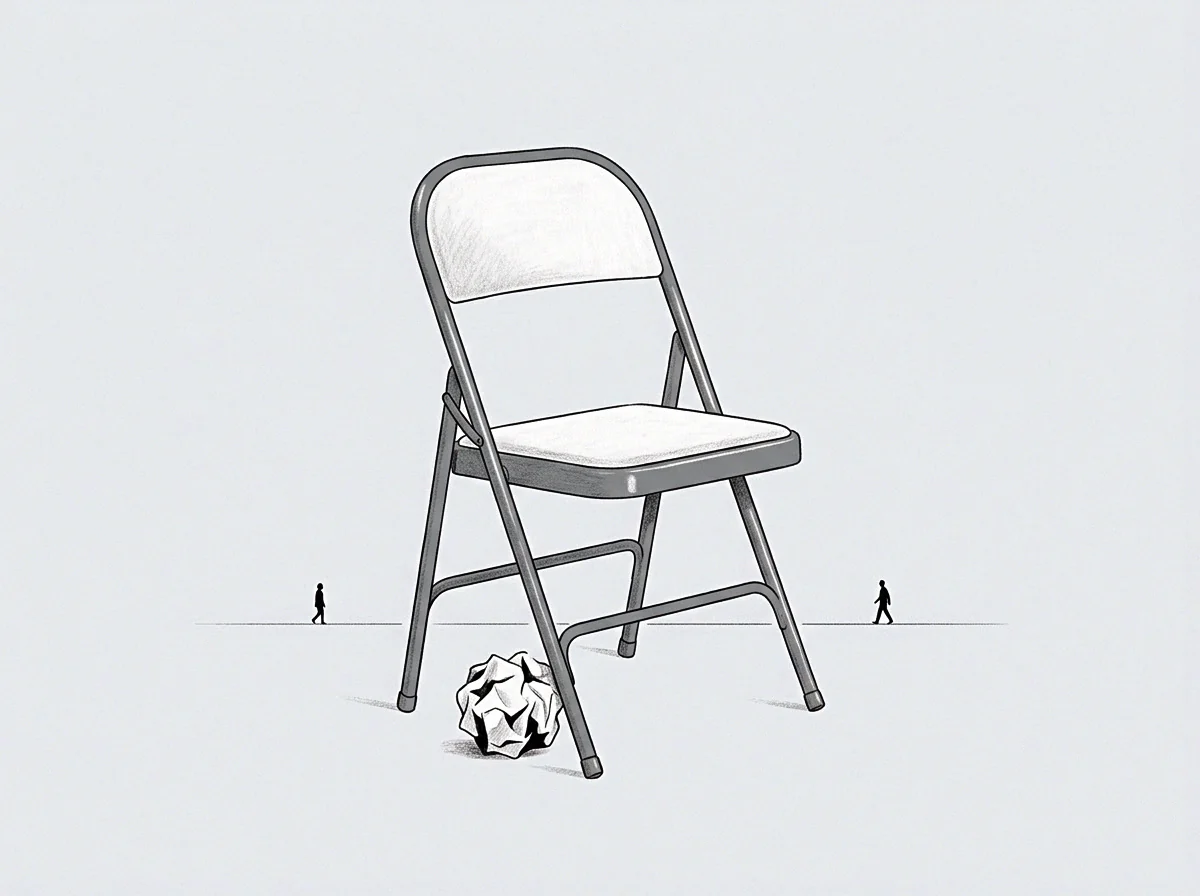
I state the gate simply. Nothing gets shown before it has a price. Not the diagnostic, not the reading, not the quick fix I could do on the spot.
What a gate does to a channel is an inversion. Without one, the seat that supplies hands over analysis and waits to see what gets asked for next. With one, it hands over terms and waits to see whether they get met.
The cost that ran in labour, where nobody could see it, turns into a cost the counterparty can see, and a visible cost forces a choice. Whatever the counterparty does next, doing less included, is that choice arriving, and it arrives only because the price is now on the table.
The same inversion explains why arrangements built on warmth come apart when a price shows up. Enthusiasm in a room is a state. A commitment is agreement to a term with a price in it, and a state does not carry into a calendar.
A warm room produces something shaped like yes. It is not a yes, because a yes answers a question, and an arrangement run on warmth alone puts no question with a price in it to anyone. What such an arrangement holds is shared activity that looks coordinated, and no agreement at all.
The mechanism stays invisible for as long as the price does. When the price surfaces, the pulling back that follows looks personal. It is a bill that was running unseen, and a counterpart who finds one does the cheapest thing available.
A yes felt in a room is not a yes given to a term.
I did not know this was costing anything.
Coherence
Naming grip as a location, rather than living it as a mood, is not a trick of vocabulary. Three lines of research say why.
An Interview About Early Life
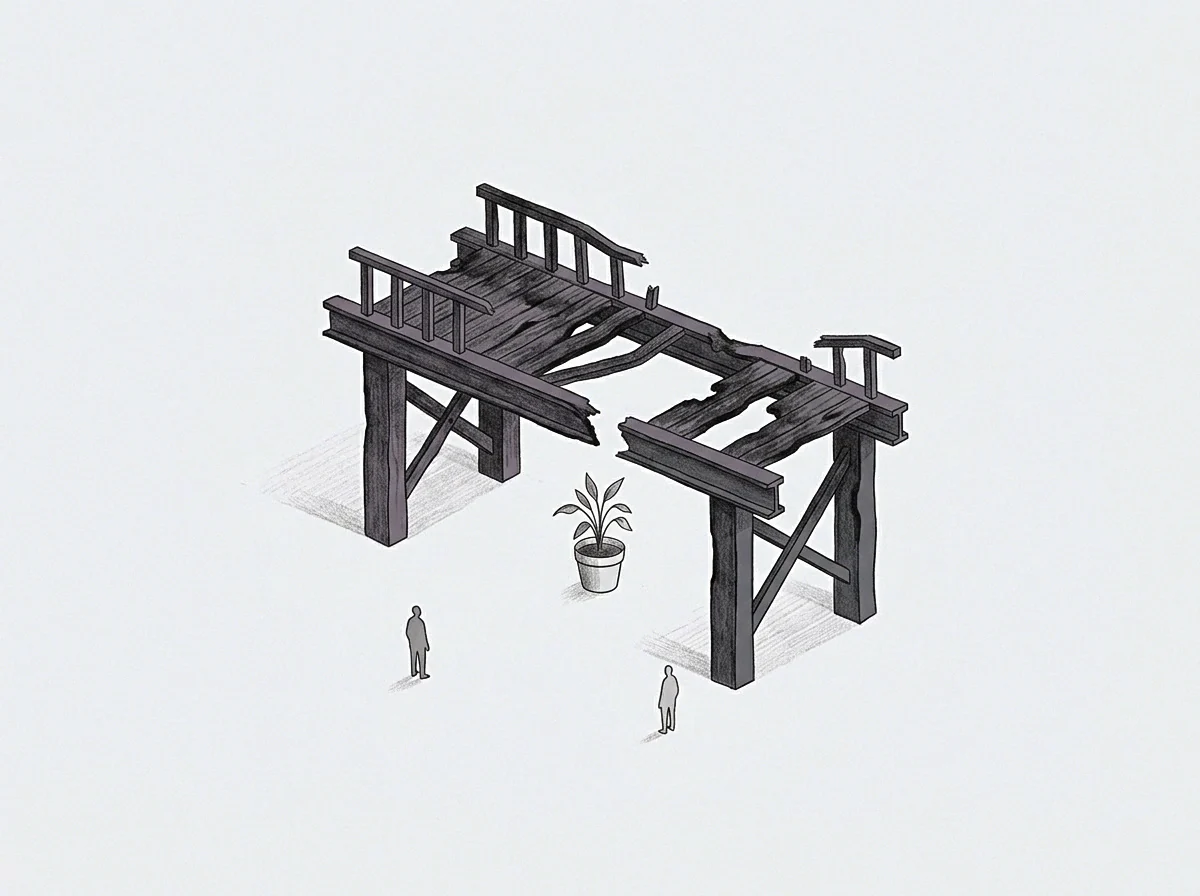
Mary Main built the Adult Attachment Interview around one premise: what predicts how securely an adult attaches is not what happened in early life but how coherently that adult can tell it. Content matters less than organisation. From that work came a group the field calls earned security: adults who describe hard early years yet show secure organisation now, somewhere between one in five and one in four of those the interview classes as secure.
Longitudinal studies found that coherent tellers of difficult histories parent about as well as coherent tellers of easy ones. The people in that group tend to share four things. They think about the events and also about what those events did to them.
They can sit inside a feeling for a while before reaching for the way out. Their telling holds its shape, and neither idealising nor resentment takes it over. And somewhere along the way another person got them wrong, or was got wrong by them, and the two repaired it.
Main’s measure is coherence, and coherence is something a person can build.
Words, Loops and Endings
Two other lines of work sit underneath that one. Lieberman’s imaging work in 2007 showed that putting a feeling into words lowers the amygdala’s response and brings in regulatory areas of the prefrontal cortex; the act of labelling is itself regulation. Pennebaker’s studies of structured writing about upheaval, which Frattaroli’s meta-analysis of 2006 found to have real but modest effects, left one useful marker: people who benefit start using more causal and insight words across sessions.
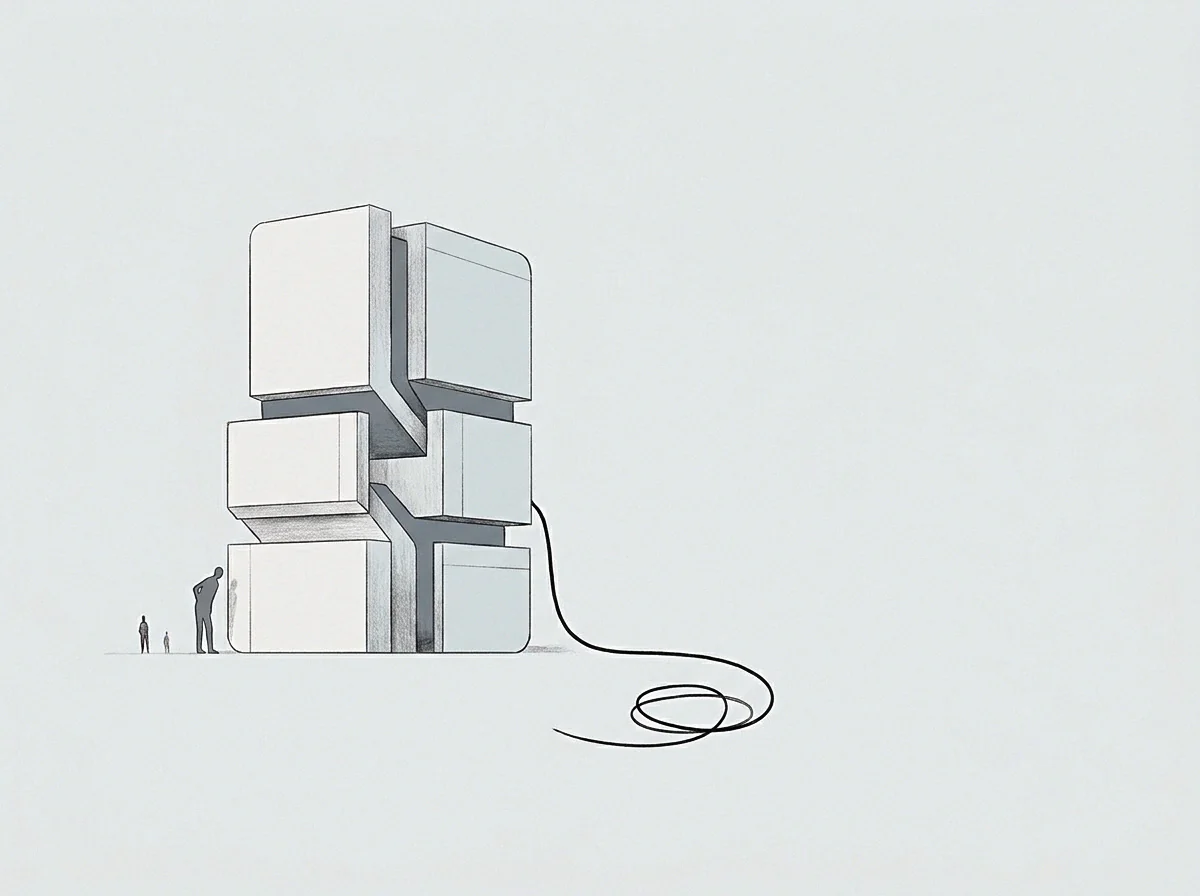
Nolen-Hoeksema’s work on rumination, which Watkins later sharpened, splits the turning-over of an experience in two. Rumination runs on general questions that grade the self, the why-am-I-like-this kind, and it goes round without landing anywhere: no conclusion, no change in what the person does. The other kind stays with one event and one piece of machinery, and it stops.
It reaches a conclusion, and the conclusion becomes something done. The field uses the difference to tell working-through from going in circles, and the test is whether the loop closes.
What the Naming Changes
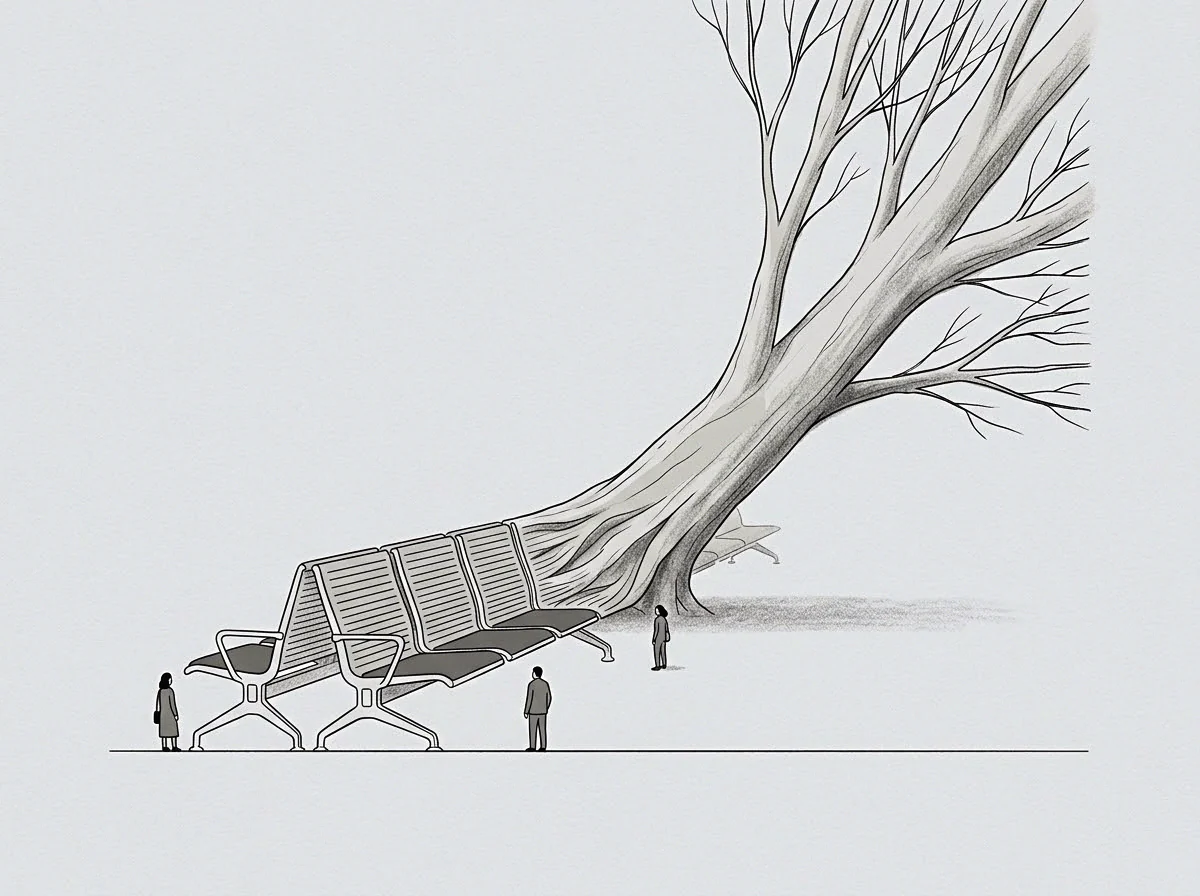
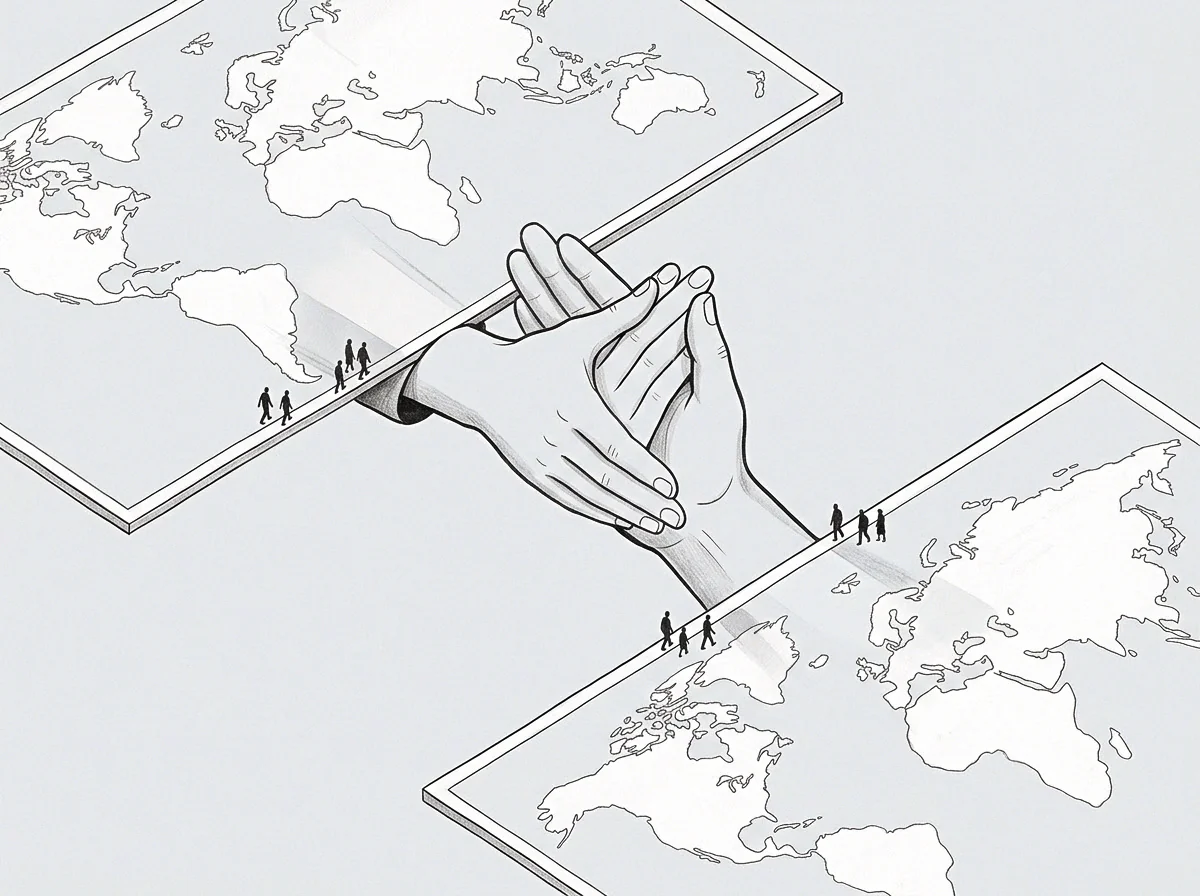
What I took from all three is the handle this piece is named for. Grip felt as a mood is rumination: pressure without a referent, a loop with no exit. Grip named as a location is the concrete form: a point in a sequence, with a before and an after, that a term can be placed ahead of.
The naming is not decoration laid over the change. The research treats it as the change itself.
The caveats cost me something to accept. Organisation is not resolution, and a very tidy telling can sit on top of feeling that is far from done. The fourth element, the repair with another person, does not happen on a page.
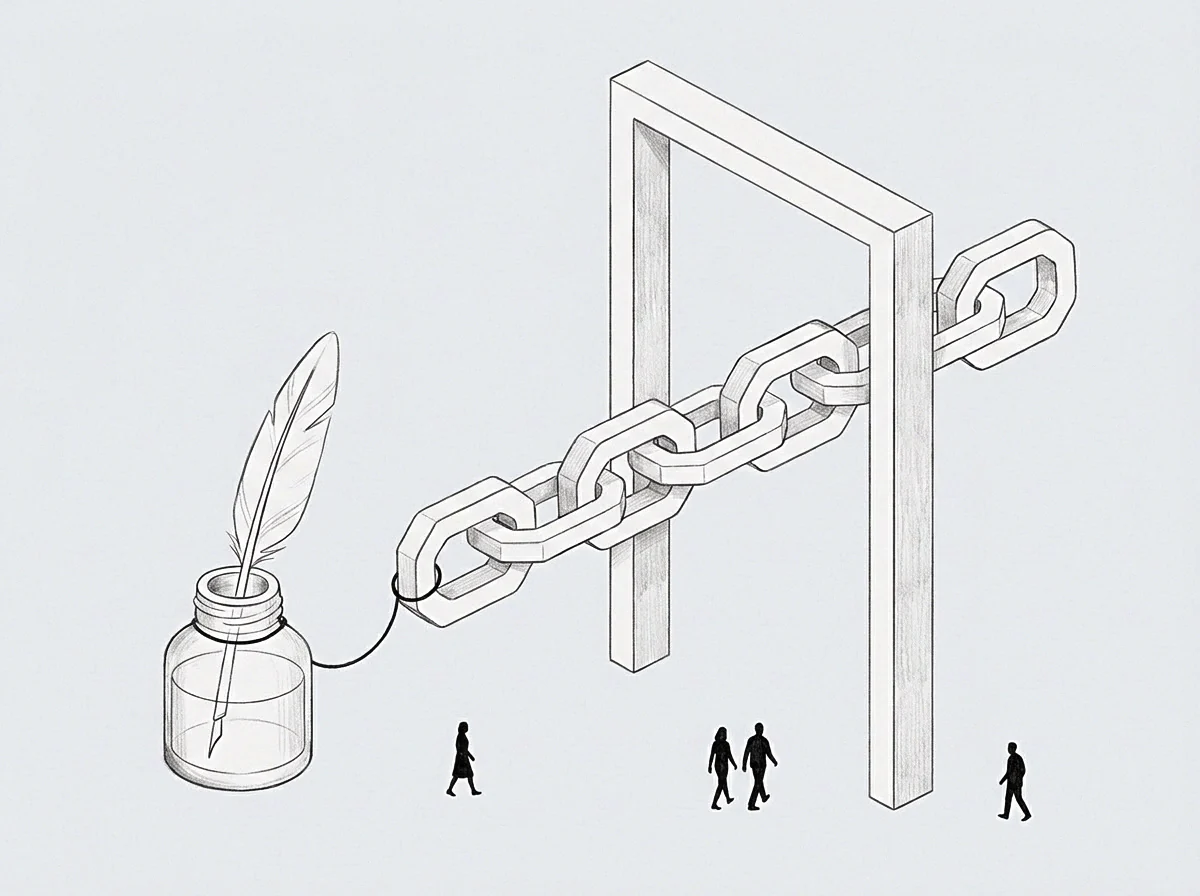
Writing a term down is preparation, and it is cheap: the page does not answer, and I can take the term back for free. Said across a table to a counterpart, the same term can be met or refused. That exposure is the cost, and it is the cost that changes something.
How many of the terms I have written down have I actually said?
Cost
An artifact forwarded from another arrangement carries terms drafted for a different seat. The paper that sets the terms of a small operator’s work is often not produced where the work happens. It arrives inherited, written by someone protecting themselves in some other arrangement, and a seat that forwards artifacts instead of producing them passes those terms on unread.
Whatever exposure they carry lands on the smallest seat downstream, whoever they were aimed at when they were written. Nobody has to intend it. The cost of the unread paper turns up where the arrangement has no way to look, later or never, and by then it belongs to the smallest seat.
I keep that mechanism apart from mine, because mine starts when such a paper lands with my work set into it. I repair it. Unasked, on an artifact that belongs to another seat, where no term makes the work mine.
I have caught myself doing it with the chain already mapped and open in front of me.
Each time I can defend it: the minutes are few, the fix serves my side too, and the arithmetic of the moment says go. That is how the move has survived so long in me. It can be defended every single time, one case at a time.
Each act of supply is small, cheaper than the conversation it replaces, and the chain does not run on any one of them. It runs on the sum, and the sum only shows after grip has set. Grip does not arrive at the size of a decision.
It arrives at the size of a favour nobody asked for, and so it gets past the part of me that would stop a decision.
Miss where grip sits and the minutes are not what is lost; they are gone either way and I would spend them again. What is lost is the position. After enough small supplies there is no clean place left to speak from, because any term now has to be said over the top of a long run of work given freely and never named, and the only way it can land is as a change of mood.
That is a fair way for it to land, since nothing was ever agreed. So I hold instead, and the holding gets called patience, and it costs energy every week as a line kept open in my head that nobody else knows is open. When it finally comes out, it comes out with force, it reads as temperament, and the build-up that produced it never becomes the thing on the table.
Worn against held, the seat I sat in was never the one I said I held.
Exit
Grip sets at different speeds, and the speed comes from what I supply, not from the other seat. So the timing rule I carried was wrong. Early is a word about the calendar.
The deadline is grip, and grip can be weeks away or behind me by the end of a first evening.
No supply before grip is something I chose.
Under it sits a filter of mine. I open most easily toward people who need something, and whoever opens that way and also delivers ends up carrying.
The instrument that notices a need is faster than the one that asks what was agreed, and it will stay faster. I can catch the moment I start making something. It shows up in my hands before my head.
A few minutes in, I am no longer choosing. I am paying.