Meaning
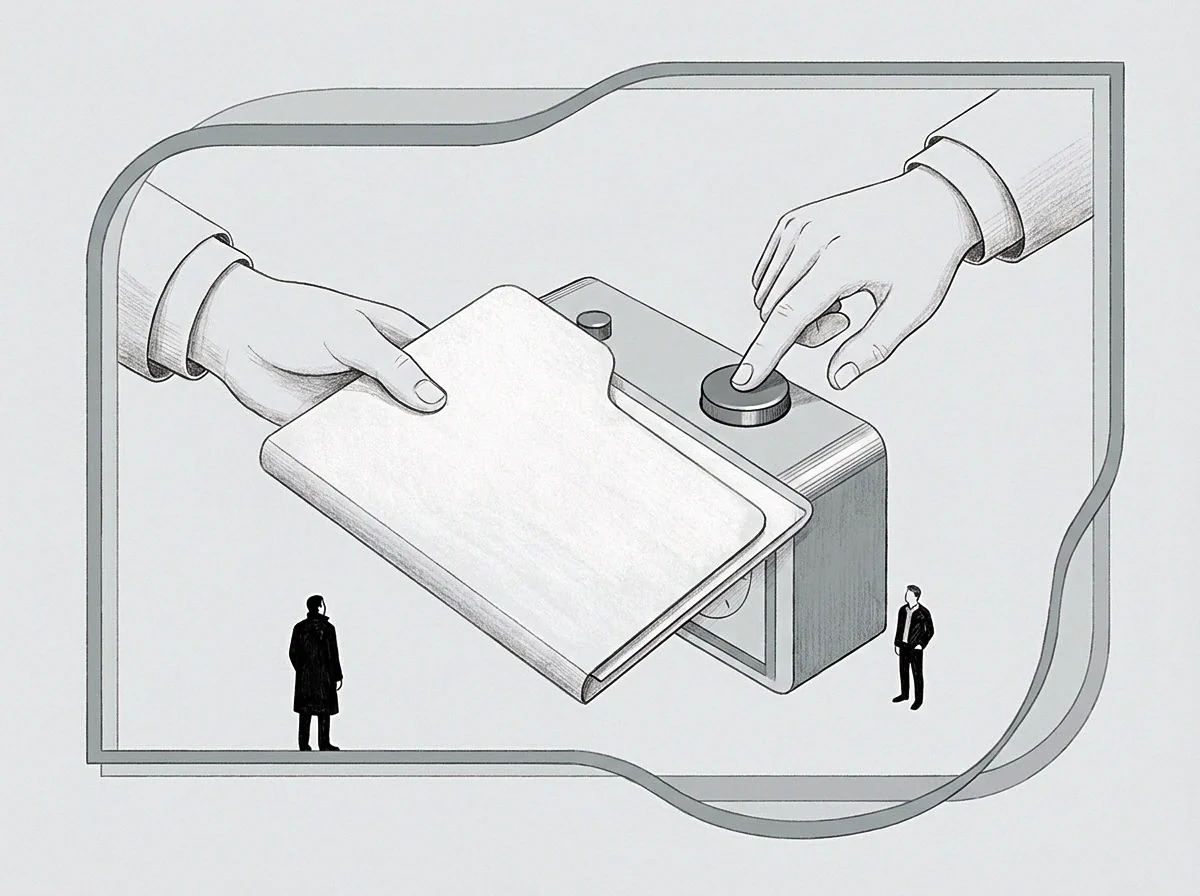
An internal prompt or mental cue initiates an action or a transition without relying on external signals from the environment. The use of a self-generated trigger allows an operator to maintain control over their work cycles and attention. By establishing personal cues for action, the individual reduces their reliance on external alerts or management directives.
The boundary of this mechanism is reached when cognitive fatigue prevents the individual from retrieving or executing the mental cue, necessitating an external intervention. This tool helps the builder to protect their hours and capacity from external noise.
Cognitive Origin
Mental associations arise from personal intentions and pre-established connections. When a self-generated trigger is formed, the person links a specific internal state to a planned action. This connection acts as an internal agreement with oneself, requiring no external witness.
The builder carries the load of the task based on this internal cue, which saves emotional energy.
Behavioral Execution
Executing actions based on internal prompts requires disciplined self-regulation. The deployment of a self-generated trigger eliminates the need for constant external supervision, enabling the builder to execute complex routines without waiting for guidance. The operator transitions from one task to another smoothly, relying on their own schedule.
This autonomy preserves capacity.
Performance Advantage
Task transitions driven by internal cues are more efficient than those prompted by interruptions. Using a self-generated trigger reduces the cognitive friction of starting a new activity. Because the action is self-initiated, the operator experiences a higher sense of volition and competence.
This efficiency translates into saved hours and reduced mental fatigue over the life of a project.