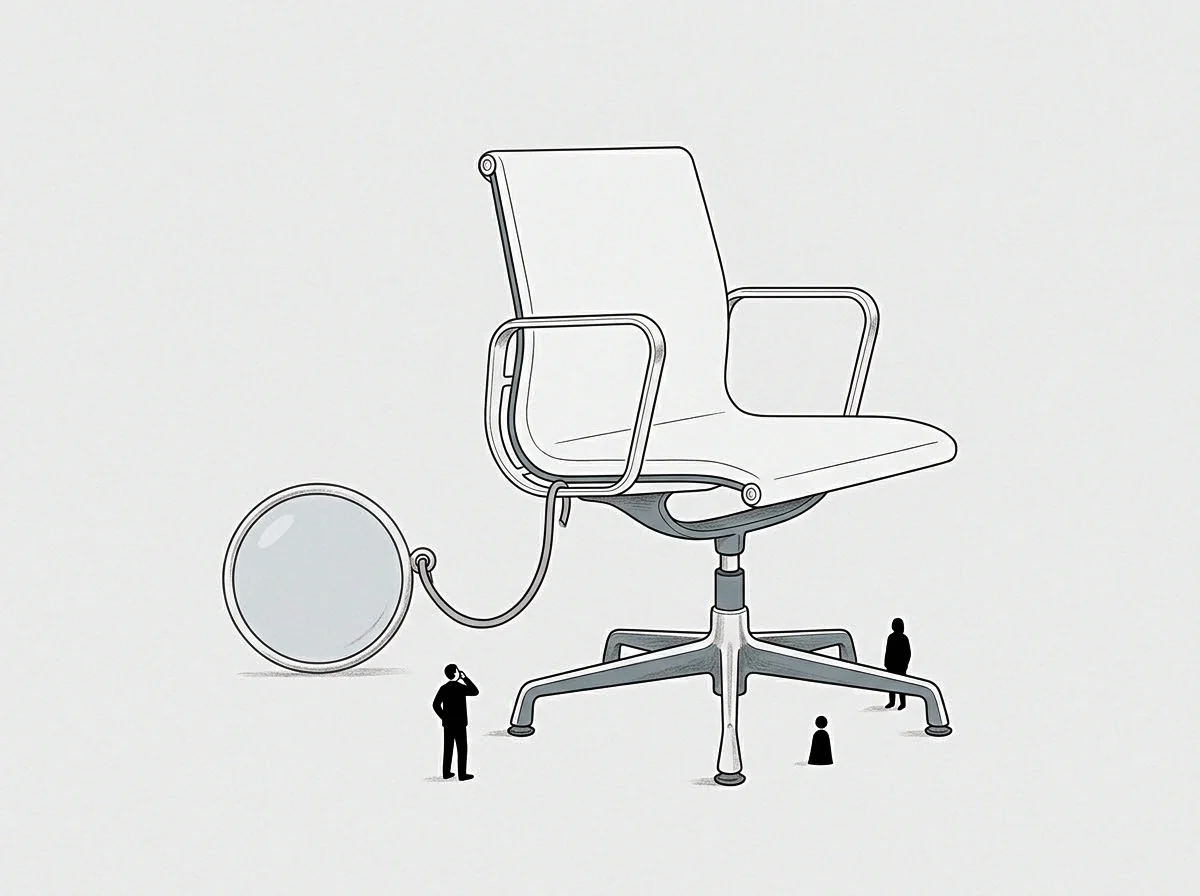
Meaning
A single channel is a communication and relational pathway through which two distinct types of interaction, a formally defined held function and unstated co-regulation, are delivered simultaneously by one person. This arrangement conflates explicit, priced work with implicit, unpriced relational support in a single interface. Only the held function typically carries a name or formal terms, making it difficult for parties to distinguish issues arising from each vector independently or to address them directly.
Conflated Functions
This describes a situation where an individual in an arrangement delivers both the explicit, tangible outputs of their role (the held function) and the informal, often invisible, support that stabilizes the relationship (co-regulation) through the same personal interface. These two distinct functions are not separated or individually accounted for in terms, expectations, or compensation. The conflation means that a problem or perceived deficit in one area, particularly the unnamed co-regulation, can be mistakenly attributed to the other, obscuring the true source of friction or dissatisfaction within the arrangement and preventing effective resolution.
Unpriced Conflict
The primary cost of a single channel arrangement is the generation of unpriced conflict and unresolved tension that degrades the relationship over time. When the informal support (second vector) diminishes or breaks down, the symptoms are perceived as problems with the explicit work (first vector), even if that work is being delivered as agreed according to its stated terms. Because the co-regulation was never named, valued, or contracted, its absence cannot be formally addressed or negotiated, leading to unresolvable disputes and a gradual erosion of the arrangement without clear cause or mutual accountability.
Operator Burden
The single channel places a significant and often unacknowledged burden on the operator holding the seat, as they are implicitly expected to manage the delivery of both explicit and implicit functions without clear distinction or separate compensation. This means carrying the load of unacknowledged co-regulation alongside their defined tasks and being held responsible for outcomes tied to both. When the implicit support is strained, the operator often receives feedback that their explicit work is failing, leading to increased personal energy expenditure to defend their output, diagnose an unnameable problem, and manage the resulting relational friction and disappointment.