Meaning
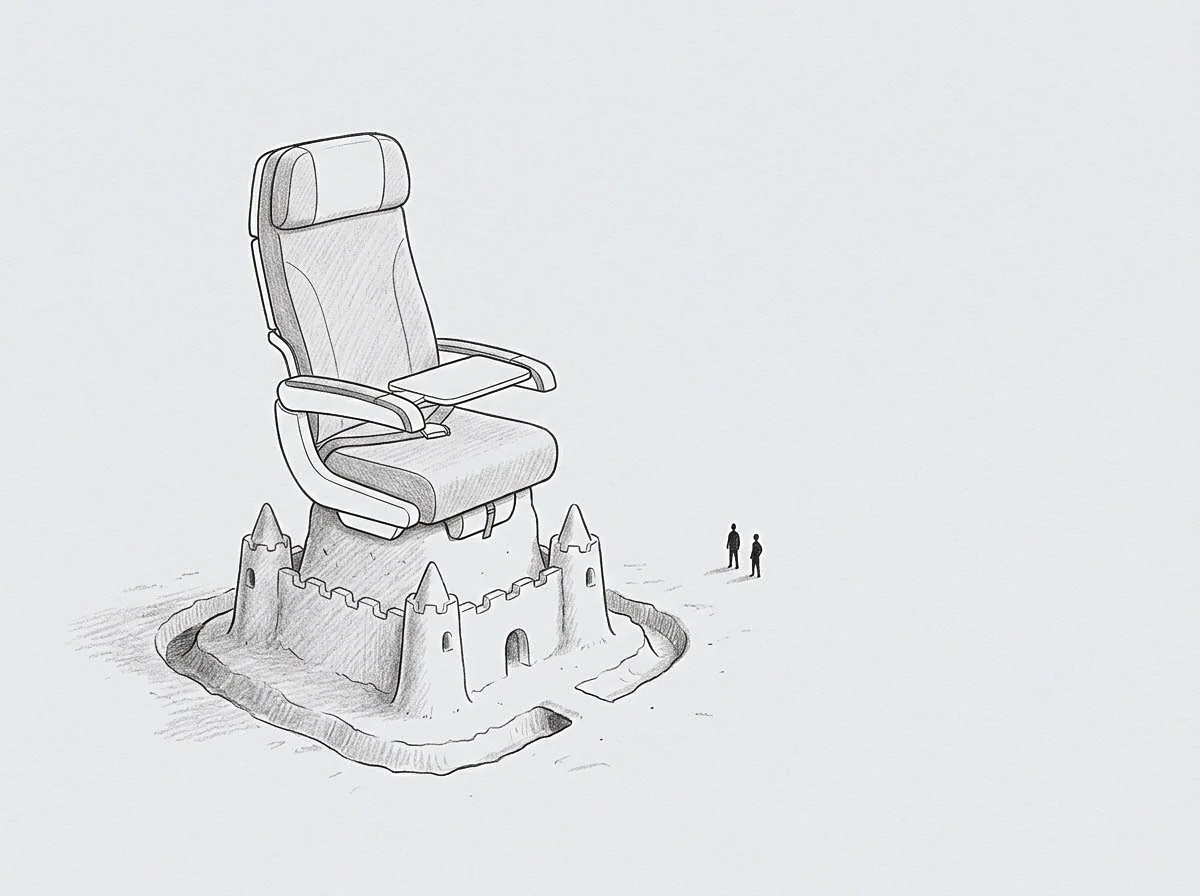
Physiological baseline reserve represents the quantifiable physical and biological foundation that sustains a person in an intense operating seat. This biological foundation, or substrate, determines the absolute limits of cognitive attention and emotional endurance before system failure occurs. It comprises sleep debt, nutritional intake, resting heart rate and physical mobility, forming a physical status that persists independent of psychological resolve.
Basal Capacity
Measuring the underlying physical state allows an operator to predict performance degradation before errors occur. While mental focus fluctuates rapidly, substrate remains a slow-moving vector that responds gradually over weeks. Deficits compound.
A severe depletion in this underlying layer reduces the rate of information processing and narrows the capacity for risk tolerance. The cost is paid in attention hours, where the operator spends more energy to achieve the same output. When physical reserves are low, even routine communication requires heightened cognitive effort, leaving no capacity for long-term planning.
Resource Exhaustion
Depletion of the biological baseline forces a direct trade-off between keeping up with immediate work and preserving long-term capacity. When the substrate runs thin, a founder loses the ability to handle unexpected crises. This degradation alters the quality of decisions, as the exhausted brain defaults to passive options.
Systemic Maintenance
Restoring the physical baseline requires deliberate structural boundaries around sleep and physical recovery. Because substrate cannot be replenished through psychological effort or sheer willpower, the operator must treat it as a hard resource constraint. Active management of this resource involves scheduling periods of low cognitive load to prevent permanent burnout.
The sustainability of the founder in the seat remains fundamentally bound to the integrity of the substrate.