Meaning
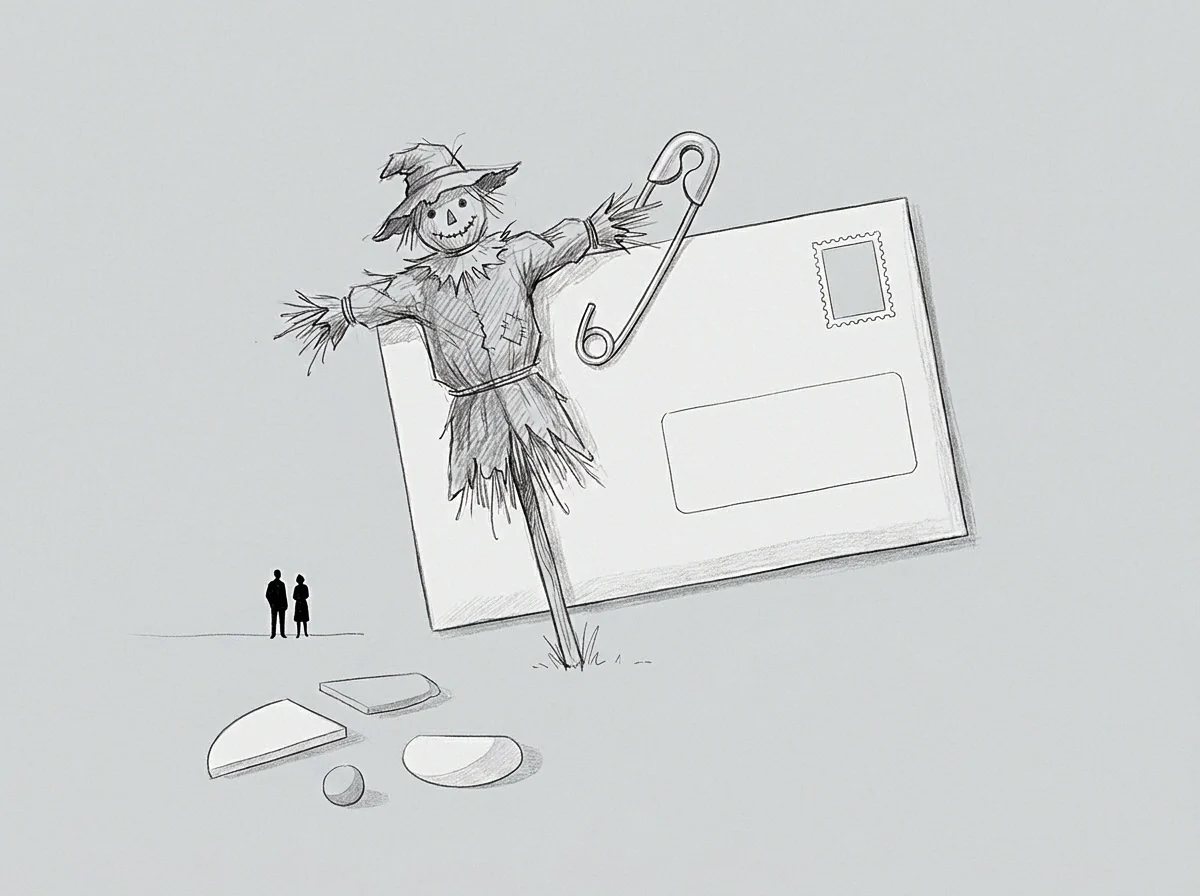
Tactical behavior involving the display of inadequacy or dependence invites assistance from others by triggering social obligations of care. Within an arrangement between partners, supplication allows an individual to recruit resources or effort without negotiating a formal exchange or a price. The person in the seat demonstrates a calculated inability to meet a requirement.
This move encourages the witness to intervene and resolve the difficulty. Such influence relies on the collective desire to protect the vulnerable party from the consequences of failure. It is distinct from a request for mentorship because it seeks the removal of the task and does not prioritize the acquisition of knowledge.
Relational Leverage
Reciprocal expectations dictate that those with greater capacity will support those who are struggling. When an operator employs supplication, the burden of the work moves to a partner while the operator appears to lack the agency to do otherwise. This shift happens in the room where the work is exposed.
It forces others to choose between allowing a project to fail or assuming the extra load themselves. Because the tactic bypasses the usual trade of value for effort, the one who helps often does so to satisfy a personal standard of conduct. The arrangement remains stable as long as the assistance is viewed as a response to a specific need and does not become an ongoing exploit.
Capacity Drain
Maintaining a public state of need carries a specific cost in energy and future influence for the person who holds the seat. While the immediate result of supplication is a reduction in the hours spent on a task, the long term effect is the loss of authority over that part of the work. An individual who consistently demonstrates an inability to manage a specific function eventually finds that the decisions governing that function have moved to the person who actually performs it.
This cost is hidden at first. It becomes visible only when the founder attempts to reclaim control or change the direction of the work. The capacity to direct is traded away for temporary relief from the load, leaving the operator with a seat that has been hollowed out by the operator’s own choices.
Social Limit
External validation of the displayed weakness determines whether the tactic succeeds or creates a lasting conflict. If the group perceives that supplication is being used to avoid a fair share of the work, the social norm of help is replaced by resentment. Once the witness stops believing in the vulnerability, the person in the seat faces a restoration of the load with none of the support previously provided by the group.