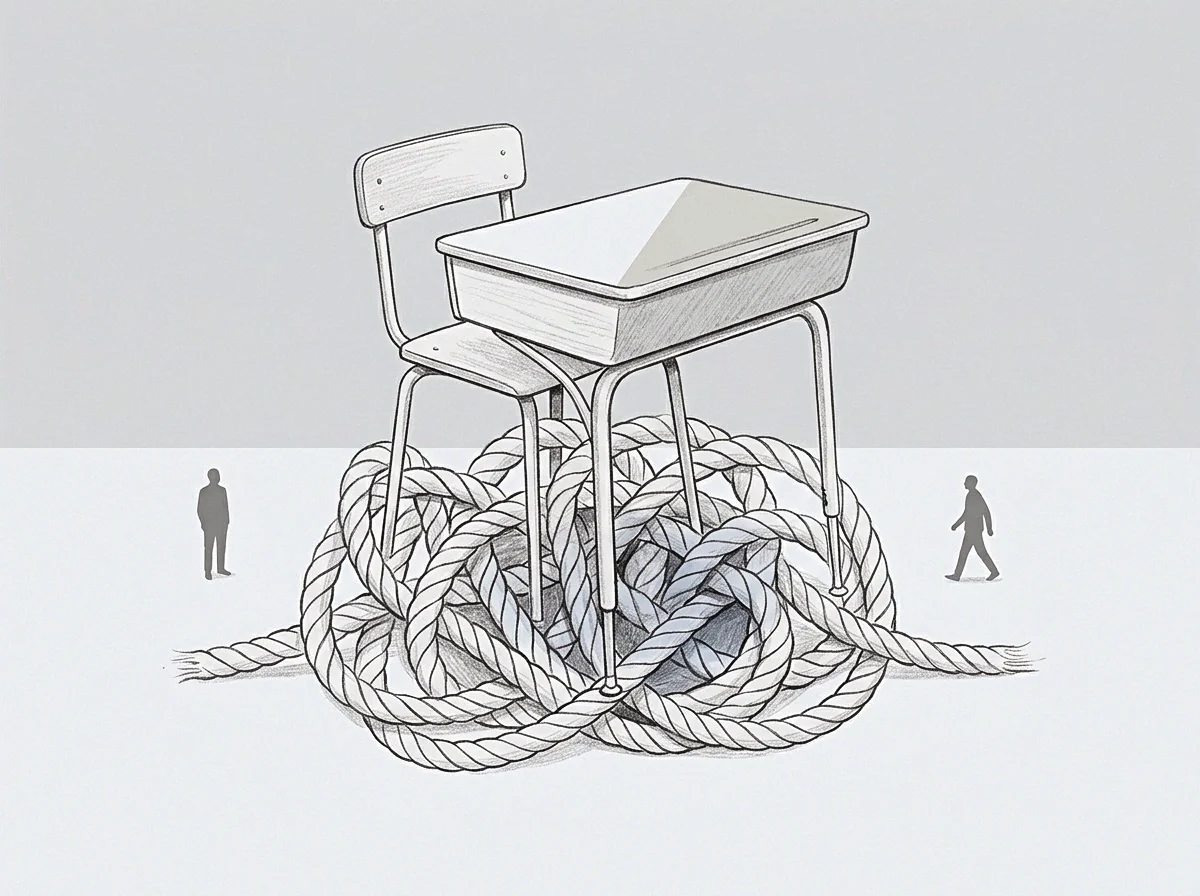
Meaning
The store of unwritten, instinctual knowledge that a practitioner uses to execute a task represents the uncodified portion of their skill. Within the tacit dimension, the rules are felt rather than spoken. This makes the knowledge impossible to capture fully in documents.
It is the reason why some experts can perform tasks they cannot explain.
Transfer Obstacle
Passing on this style of unwritten expertise cannot be done through manuals or lectures. The tacit dimension must be demonstrated and practiced in the presence of the expert. It demands that the learner observe, copy, and receive real-time corrections.
This slow process cannot be automated, making the transfer of deep skills expensive in terms of time.
Operational Domain
Operating on complex, highly variable systems is where this type of knowledge is most critical. In these zones, the rules of thumb are too subtle to write down. The tacit dimension allows the expert to feel when a system is running too hot or when a tool is about to slip.
This reliance on intuition holds up in situations where standard protocols offer no clear guidance.
Energy Outlay
Acquiring and maintaining this intuitive level of mastery consumes a massive amount of personal attention over many years. Because the skills are held in the body and mind, the tacit dimension requires continuous practice to avoid decay. This ongoing investment of energy makes the expert’s role highly specialized and difficult to replace.
The reward is a level of dexterity that allows the operator to resolve issues that cannot be diagnosed by a manual.