Meaning
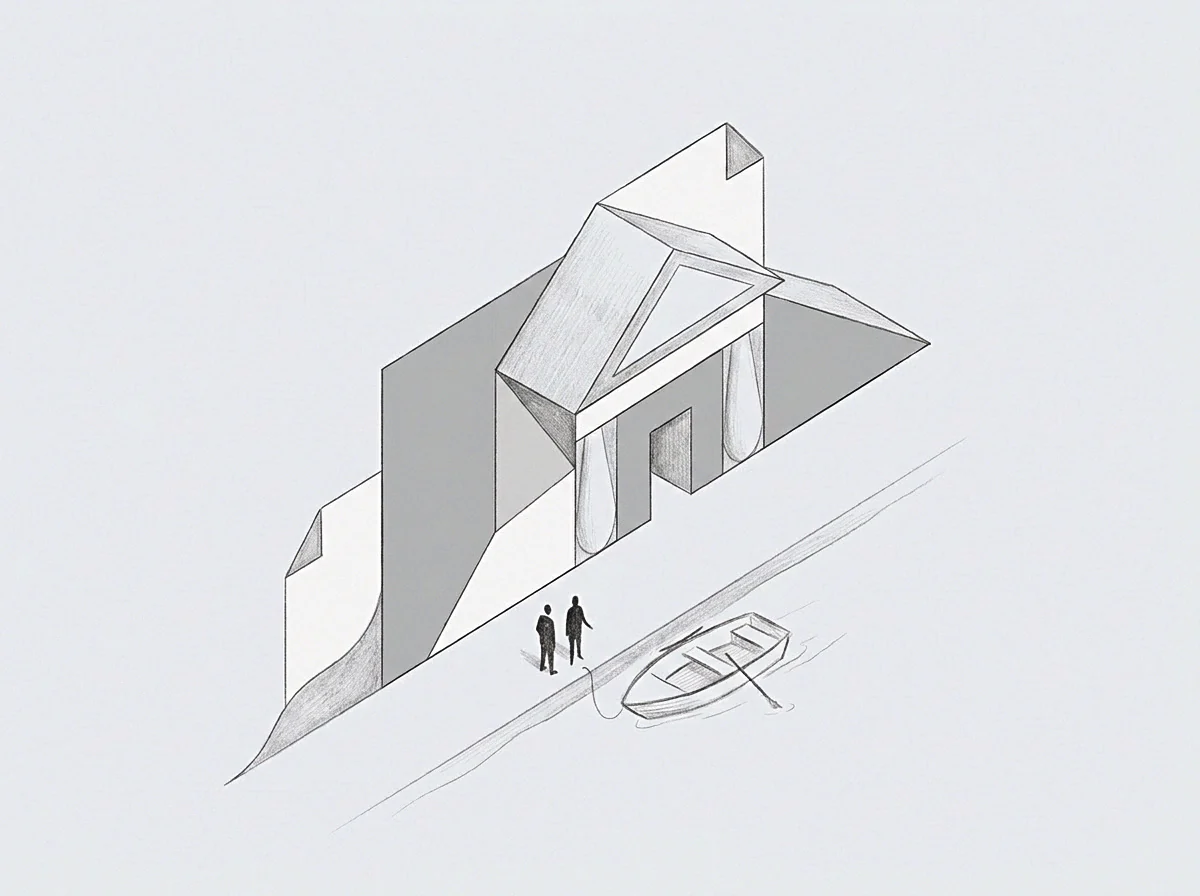
A hierarchical governance architecture directs standards and task assignments downward from a central authority to subordinate operational units. Within founding environments, top-down control centralizes final approval in the founder seat, ensuring uniform quality and coherent strategy at the expense of local adaptability. While this structure maintains rigorous alignment during early development, it concentrates the entire analytical and regulatory burden on a single individual.
Command Flow
Centralizing decision authority channels all tactical and administrative directives through a single point of origin. Under top-down control, operators execute predefined procedures while escalating any ambiguous situation to the central seat for evaluation. This arrangement maintains precise alignment with the initial vision but requires the central operator to remain continuously accessible to resolve minor operational friction.
Latency Penalty
Funnelling every operational choice through a central hub introduces severe delays as transaction volume outgrows the capacity of the leader to review incoming requests. When an enterprise expands under top-down control, the central seat becomes an operational bottleneck, stalling projects while subordinates wait for required approvals. The resulting friction increases frustration across the team and consumes the founder in endless micro-decisions, leaving minimal capacity for high-level planning or long-term risk management.
Delegating specific domains with clear boundaries resolves this bottleneck by distributing authority while preserving overall standard compliance. Relieving the central node of tactical approvals restores momentum to stalled workflows.
Scope Constraint
Hierarchical direction fails to produce viable outcomes in complex, rapidly shifting environments where frontline information cannot be transmitted upward without loss of fidelity. Under high volatility, top-down control creates rigid responses that miss local opportunities and fail to prevent emerging risks.