Meaning
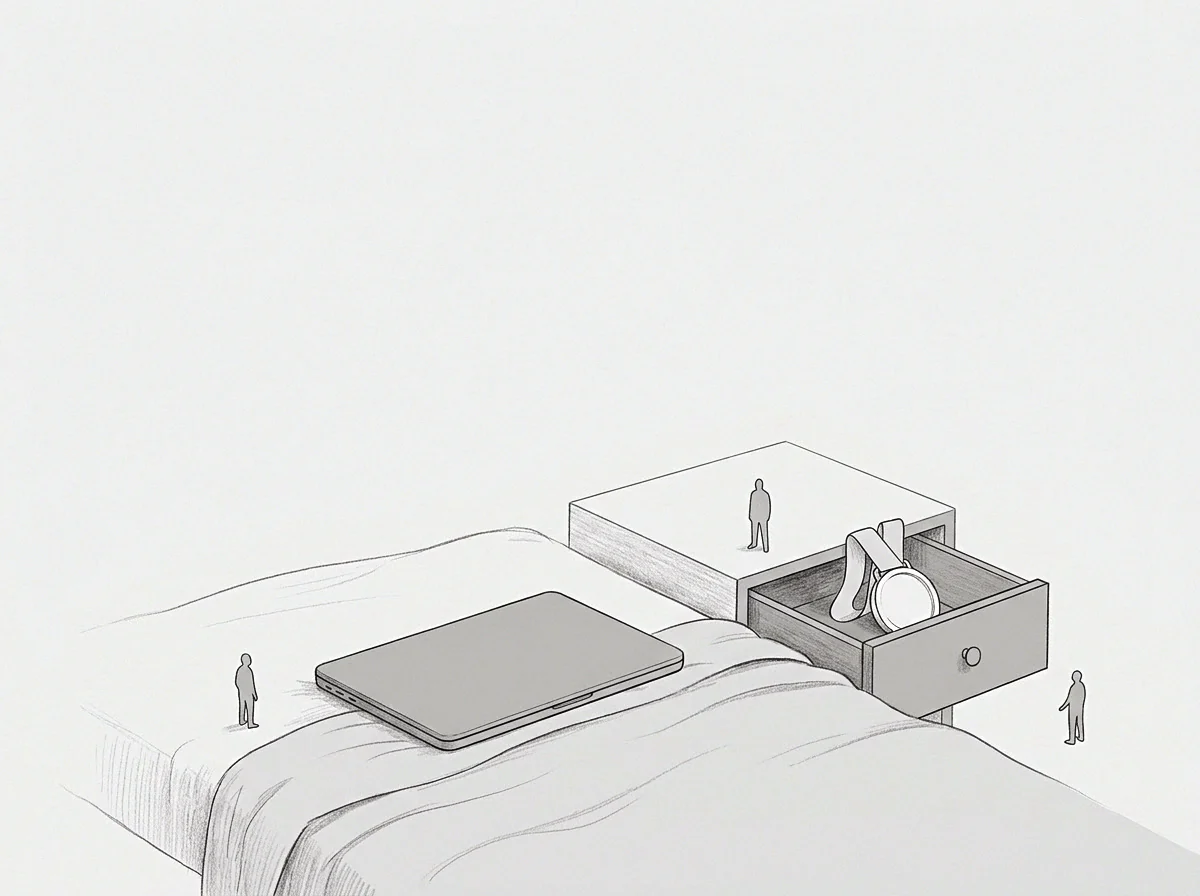
A structural divide in an arrangement occurs when a founder holds different and potentially conflicting roles at the same time. Maintaining two positions, such as acting as both the primary developer and the managing operator, forces the individual to wear different hats. It measures the internal conflict between the owner’s interest and the operator’s duty.
The boundary between these roles must be defined to prevent legal and financial disputes.
Role Conflict
Balancing the duties of a shareholder and an employee creates cognitive friction for the person in the seat. When a founder occupies two positions, the individual must separate long-term equity growth from immediate payroll needs. This split attention can lead to poor decision-making if the operator prioritizes short-term salary over long-term value.
Board Strain
Board members often struggle to evaluate a founder’s performance when that founder also sits on the board. If the same person occupies two positions, objective review becomes impossible.
Resolution Strategy
Resolving this conflict requires a formal delegation of authority and clear policies regarding self-dealing. When the founder relinquishes one of the two positions, the remaining role becomes easier to measure and hold accountable. This separation of powers protects the integrity of the record and ensures that decisions are made in the interest of the venture rather than the individual.
A clean transition to a single seat is often the only way to restore trust among the partners.