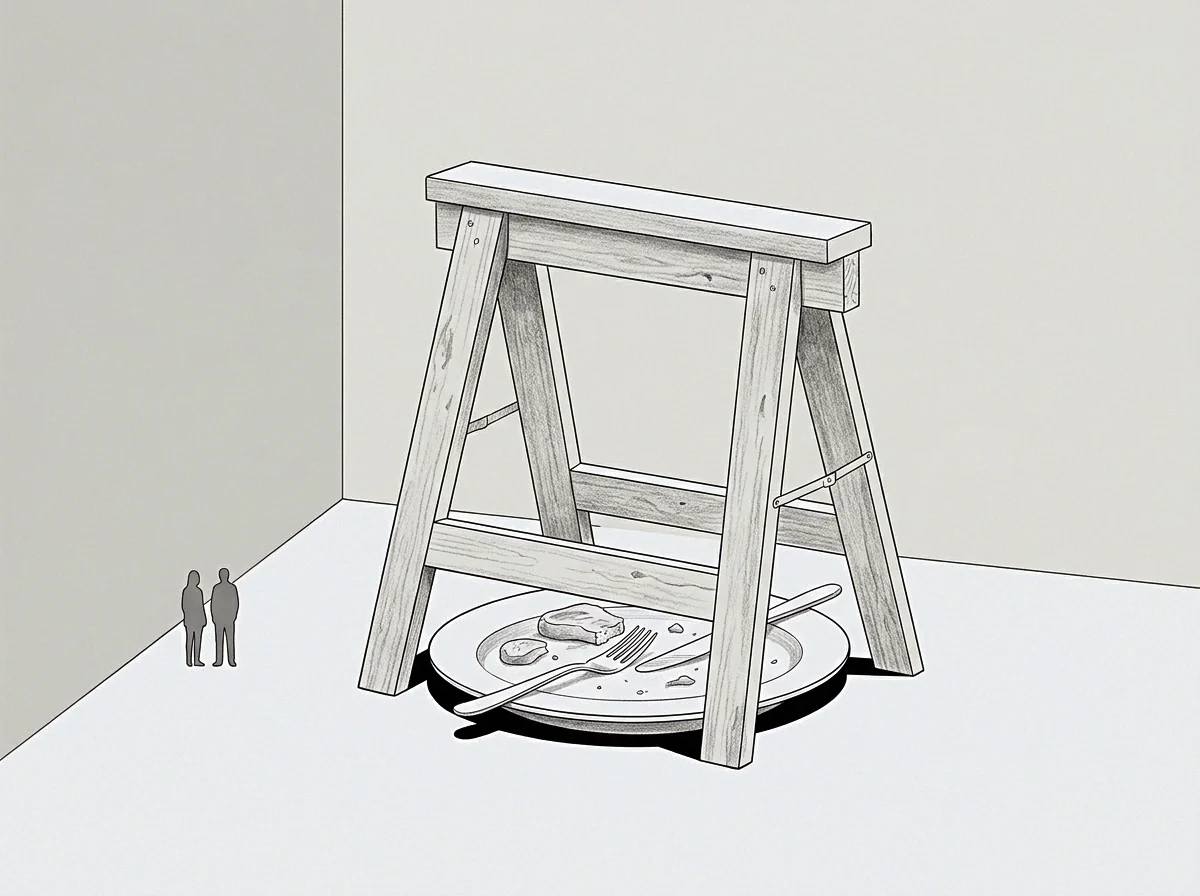
Meaning
An active cognitive state manages immediate environmental interactions and retrieves memory selectively to build a functional account of personal identity. This working self acts as the operational presence of a founder, adapting to the constraints of the current role while holding a fluid relation to the historical actions that established the venture. The construct operates within a bounded temporal window, isolating the current operator from the emotional and cognitive states that governed earlier stages of the project.
Its primary function is to maintain operational capacity by preventing past decisions from overwhelming current choices.
Operational Persona
The daily execution of tasks within an active venture demands a highly focused configuration of attention and energy. In this setting, the working self limits its focus to the immediate problems of the present seat, blockading memories of earlier crises to protect the current decision-maker from fatigue. This segregation of memory creates a protective barrier.
An operator can thus function with full attention, unburdened by the cumulative friction of past failures. The cost of this protection is a growing estrangement from the original motives that initiated the work, leaving the active founder operating with high efficiency but reduced historical coherence.
Temporal Alignment
Tension between past decisions and present accountability often grows when the individual who made those decisions is no longer accessible. This gap arises because the working self that endured the founding years is a separate mental construct from the person holding the seat today. They are strangers.
Narrative Custody
Ownership of the shared history of an organization resides in the consensus of its participants rather than the records of a single actor. When a founder tries to reconcile a current identity with the legacy of the company, the working self must negotiate with the competing accounts held by early employees and investors. This negotiation carries a high cost in attention and mental energy, as the individual must defend actions that were executed by a past persona that can no longer be recreated.
Without a unified memory, the task of justifying historical trade offs to external observers becomes an exercise in fiction. The process eventually depletes the remaining capacity of the current operator. By recognizing the boundaries of each operational era, the individual can release the need to hold custody of a past that can no longer be fully accessed or defended.