
Avoidance is a gradient
For years I read a person where the readings held a direction and a rate. What gets called unused potential is that same reading flipped over the line, same size, other sign, and the size shows first in the edge kept around whatever is being avoided.
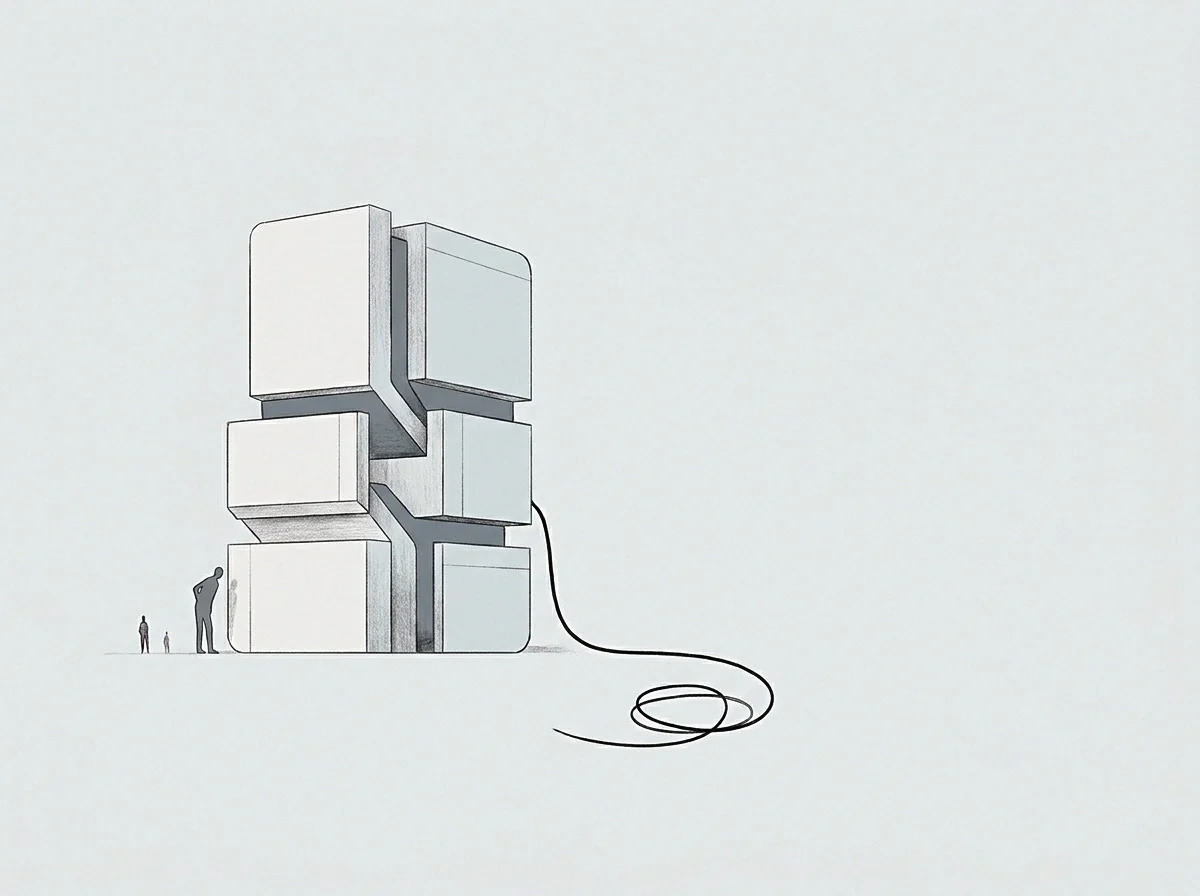
Gradient
Put value on one axis and draw a line across it for one person. The line is what that person was producing before, or what the seat they hold implies they produce. Then take readings over time, more than two, because one reading is a mood and two make a story.
What comes out is not a portrait of anybody. It is a direction with a rate: which way the readings move against the line, and how fast.
Readings that keep landing under the baseline are not noise. An error term is the thing you average away, and this does not average away; it keeps forming, month after month, on the same side. It is a path, and it runs downhill.
Going up costs. Going down costs nothing, and from inside it does not even feel like moving. It feels like a day off from the work.
Nobody decides to go down, and that is where the reading usually breaks. Somebody goes looking for the moment the other person chose to stop, and there is no moment. There is a slope, the path of least resistance, followed the way water follows one.
From outside it looks like character. Character and slope are two different objects, with two different things to be done about them.
Down is the direction nobody has to choose.
Without an axis the question is what kind of person this is, and two people who like each other can argue that for years. With one, it becomes where the readings sit against a line I wrote down first, and that has an answer inside a month. So one condition goes on the reading before it starts, and it costs nothing to meet.
The axis is named out loud, value in what: objects that still exist afterwards, or hours, or people who come back a second time.
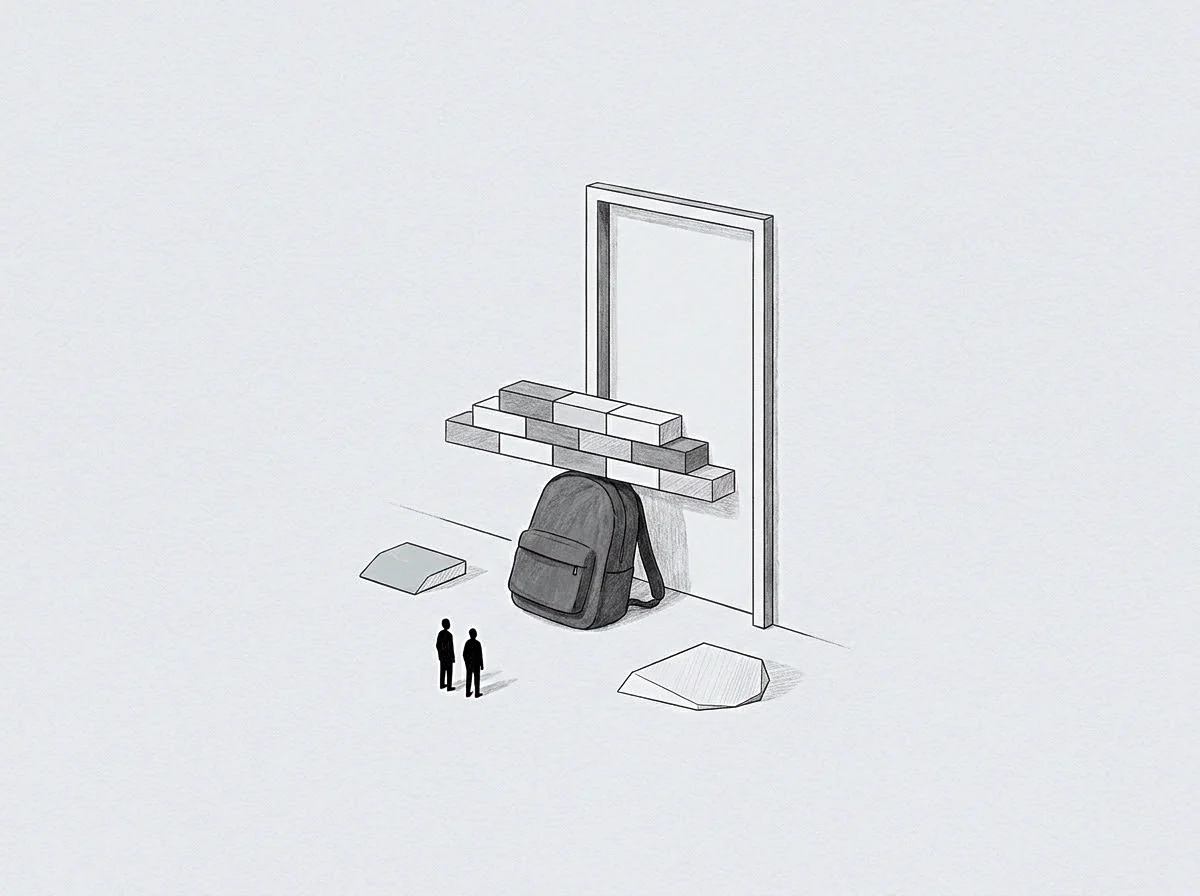
Baseline
Everything after the line depends on the line. Set it badly and the readings stay clean, the arithmetic stays clean, and the answer describes a person who does not exist.
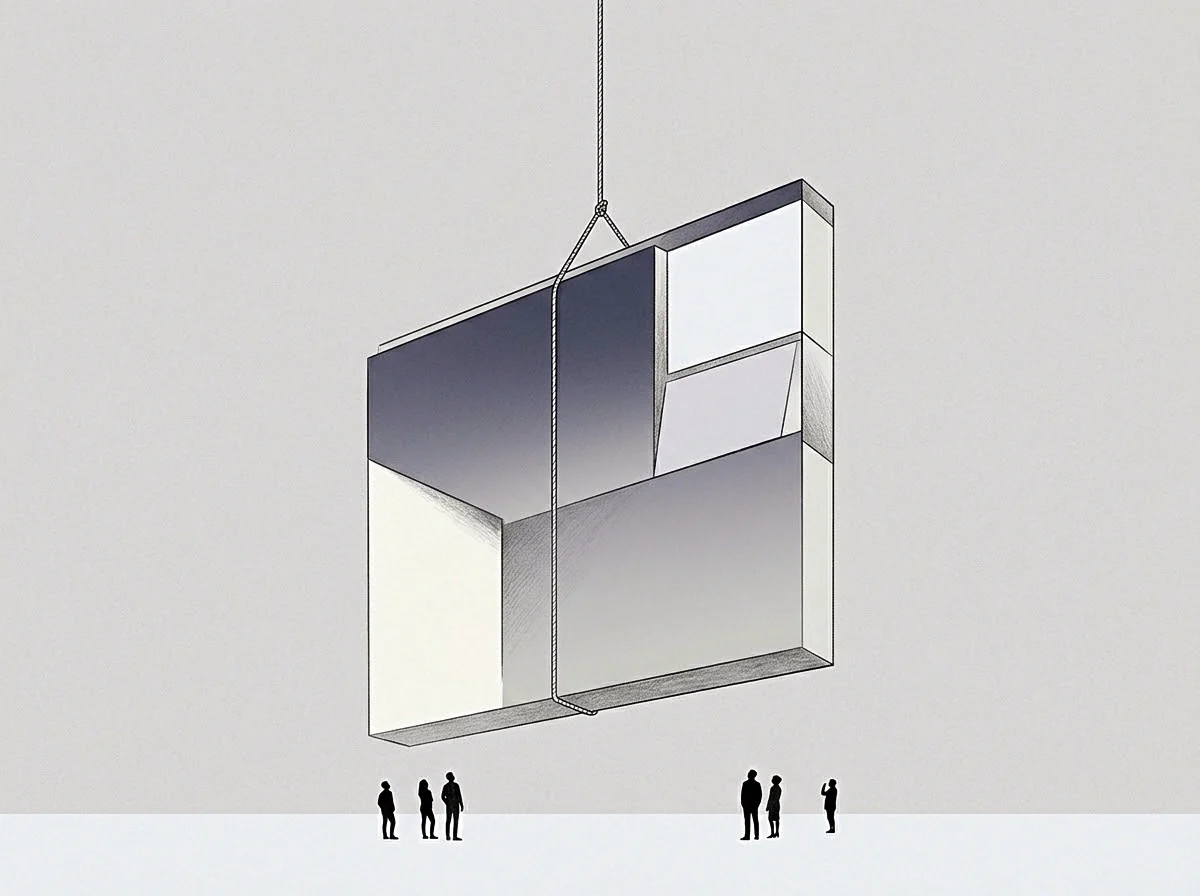
How the Line Gets Set
Two ways, and both use something already in the room. From history: what the person produced when the thing was new to them, the first stretch, before the arrangement hardened into whatever it became. Or from the seat, which is the one I use, because a seat implies output the way a tool implies a job.
Half of a business implies half of the operation, whatever the halves turn out to be made of. The seat that holds the front implies that the front brings revenue in, since bringing it in is what a front is for.
Neither way is an average of other people. The line belongs to whoever is being read, off their own history or off the seat they asked for and got.
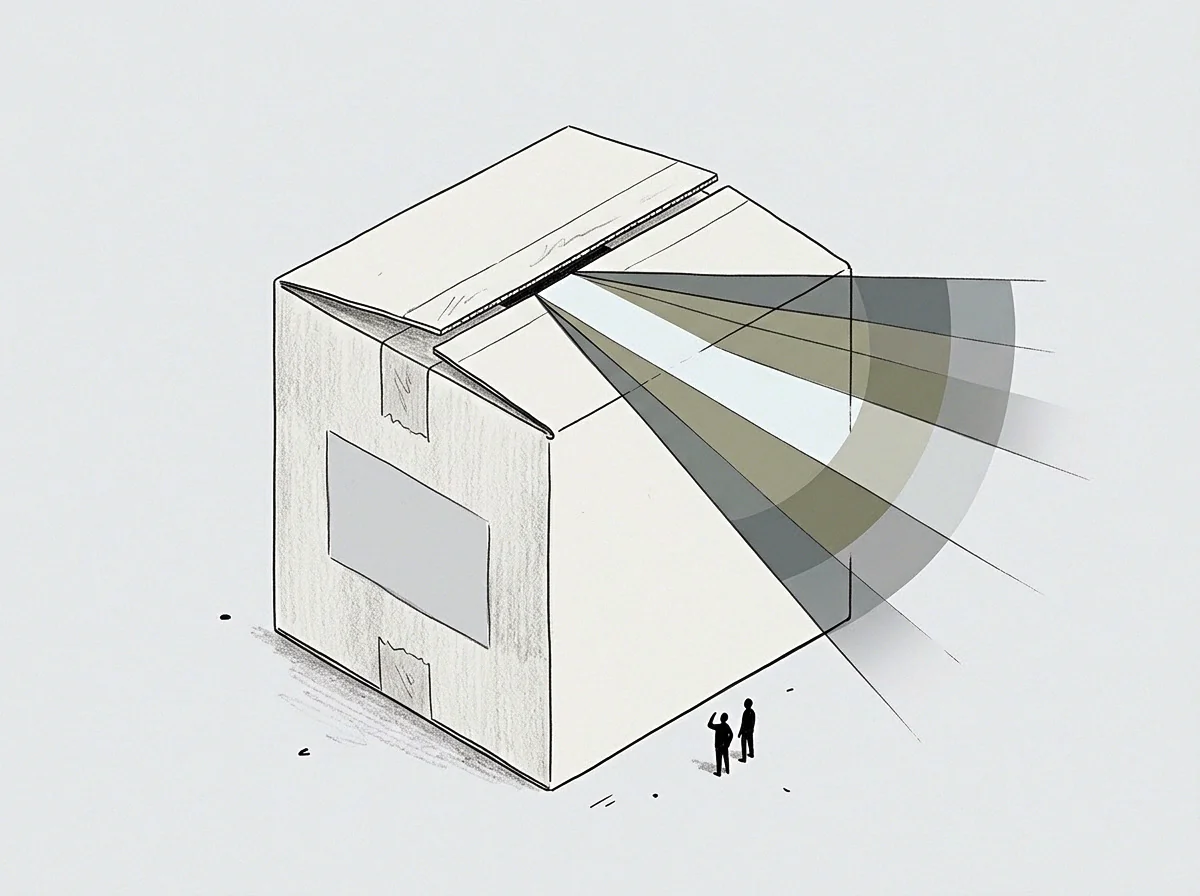
When the Line Is Mine
The failure I know from the inside is the line set out of a want. You wanted a counterpart who builds, so the line goes where a builder would sit, and every reading under it becomes proof of somebody falling short. What got measured is the distance between the person in the seat and somebody you invented.
That distance is real. It is also yours. It tells you how far off the want was, and nothing about which way the readings were moving, and the direction is the part that predicts anything.
The same damage comes from the other end, by setting the line late. A line drawn after the readings comes to rest wherever it needs to rest to explain the person you had already decided you were dealing with. You will not catch yourself doing it.
It feels like noticing.
A line set afterwards fits, and fitting is the whole trouble with it. The line goes down first, in words, where somebody else can read it back.
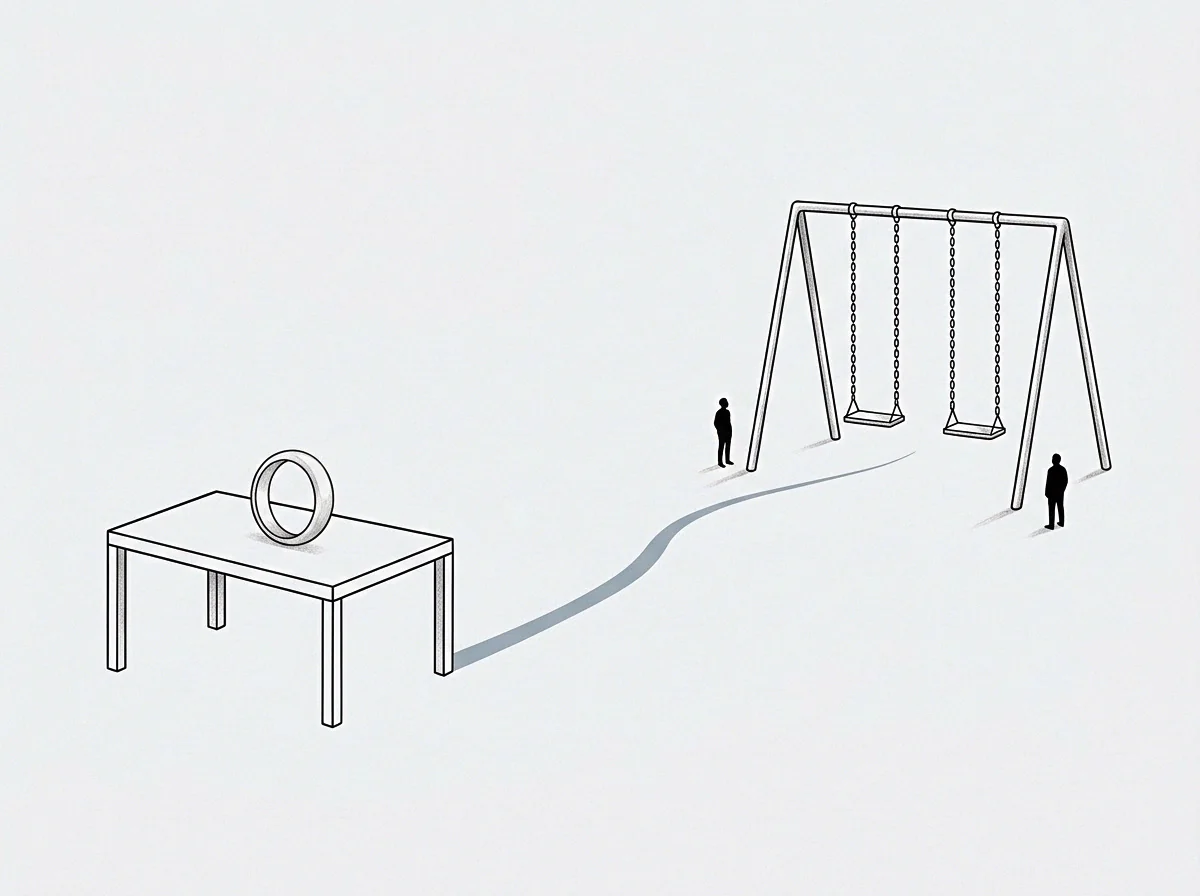
Surface
Readings take months. An object needs time to fail to arrive, and a slope needs several points before it is a slope. I get the reading earlier than that anyway, and for a while I could not say why it came first.
There was no forecasting in it. It came off the negative space.
The term comes from drawing. Draw the air around a chair and the chair turns up in the middle, the right size, with not one line of it drawn. Avoidance reads the same way.
A person routes around a thing the way traffic routes around a closed street: nobody decides it, the flow goes somewhere else, and the work that would have happened on that street stays undone. Call that the unspent volume. Nobody can see it.
Everybody can see the edge kept around it, and the edge gives the size, the way the walls of a room give you the room without you ever standing inside. The edge is drawn in public, week after week, by the person keeping it, and it is made of plain things.
- A subject that does not get touched, whichever way the conversation turns.
- A question left without an answer, or answered at once and in the same words every time.
- A date that moves, and then moves again by about the same distance.
- One sentence about the future that stays the same from month to month.
None of that needs an object to arrive or to fail to. It is all there in the first weeks. The outline comes long before whatever fills it, and I have walked around with readings I could not have defended to anyone asking for proof.
The defence comes later, and from outside the reading: objects, counted against a line written down before any of it started. Until then a reading of the edge stays a reading, held the way you hold a measurement nobody has checked.
How much of what I read at an edge is the edge, and how much is the want I walked in with?
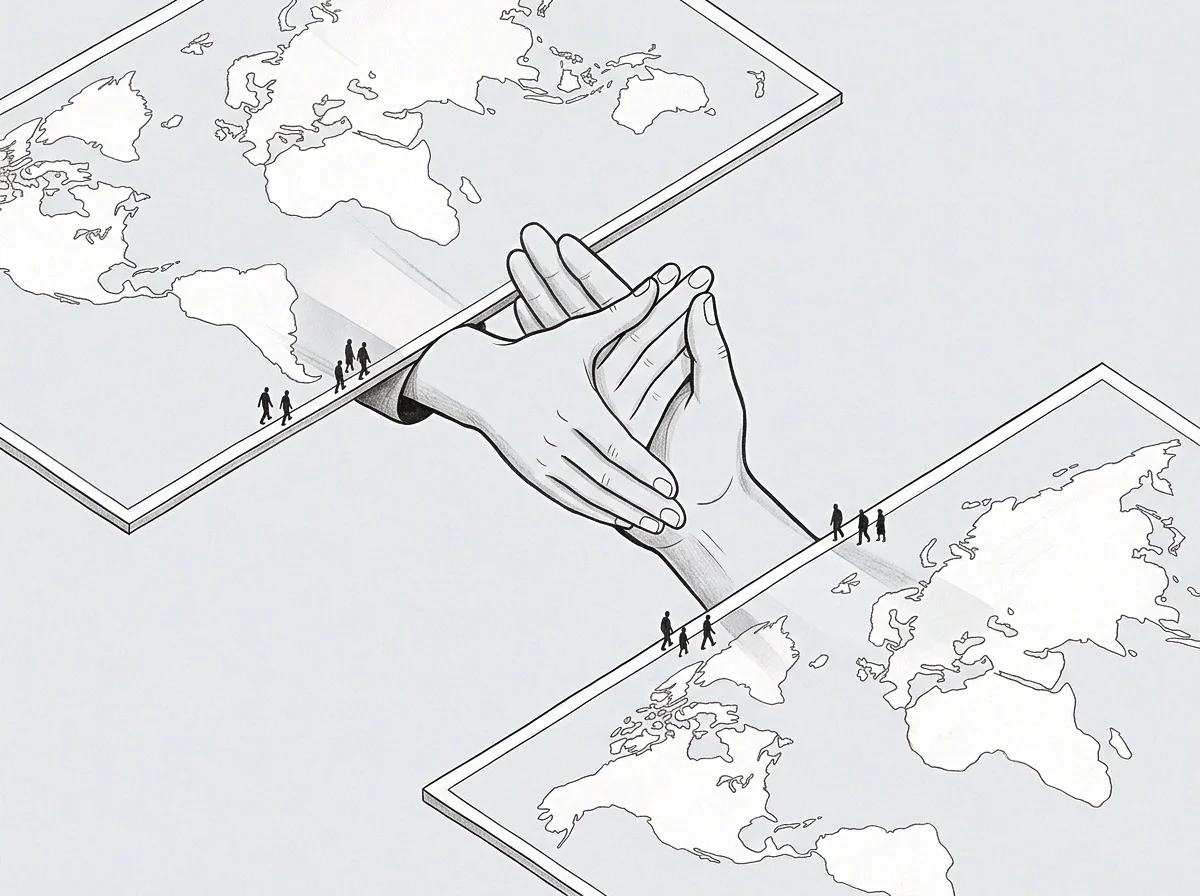
Latent
The business ran on the split for years. Its axis was never effort and never warmth; both of those arrived, and on time. The axis was whether an object existed afterwards that somebody outside the business could point at: a thing shipped, a job bounded and finished, a line of revenue that has a date.
The line came off the seat, because the seat had been stated and the history had not. Against it the readings went one way, never far in any single month, and never back.
What arrives in place of an object has its own shape, and after enough of it you can name it while it is still landing.
- Warmth, presence, a real interest in how the work is going.
- A question about where things stand, asked at the right moment.
- A gesture, well timed.
- A symbolic partial standing in for the whole: a draft, a start with no finish.
- A future described in detail and with confidence, with nothing in it that can be checked today.
Everything on that list keeps the story of the arrangement going. Nothing on it leaves a measurable object behind. It is not a list of failures either, and I was slow on this part.
Each item arrives finished and on time, and each is aimed well. The target is the relationship layer, and at that layer nothing is missing. I was reading a different layer.
The cause is direction, not difficulty. The seat that fronts finds every way out of the tangle leading to the same place, which is being seen. Whatever gets delivered also gets measured, and the measuring does not stay in the present; it reaches back over every month before it.
Three small acts, any one of them, would start the measuring. A document listing who did what, lying next to a share held since the beginning, where anyone can read the two together. One piece of what the business sells turned into revenue, after which the revenue that did not come has to be explained.
One position taken on anything at all, which gives the past a fixed point to be worked out from. A share that rests on a story is safe for exactly as long as none of this happens, since a story takes no position and so offers nothing to test, which is all that unfalsifiable means. The first positional act puts coordinates on it, and coordinates do not come off.
In that seat the sign on delivery is negative. Each object spends narrative capital, the standing a story gives whoever tells it, and nothing the object earns covers what it spends. Read like that, the long run of nothing arriving is a system working correctly.
Whether the seat could produce the objects is another question, and this does not answer it; this answers why producing them does not pay. It also says which object will not come: the one that measures every contribution at once. A share held on story can live with almost any single object.
The full list it cannot live with.
Now the mirror operation, and it is one line of arithmetic. Take the gradient under the baseline and flip it over the line, the same distance up as it runs down. You have drawn the latent potential.
Same magnitude, opposite sign. The volume going into not delivering is the volume that would exist if it were delivered, because it is one volume, spent on the far side of the line.
That is not what potential usually means. Usually it is a guess at somebody’s ceiling, put together out of charm and history and the way a person talks about next year, and the guess flatters whoever makes it. The mirror does not guess.
It hands back a measurement you already had, read from the other side of the line. The size of the avoidance was the size of the thing, and it had been in the readings the whole time, in daylight, unread, because I was reading a character.
Nothing in the operation cares whether the thing on the axis is a person or a trade, and on a trade it runs cheaper, because a market cannot be embarrassed. A whole trade will route around one gap for years, in plain sight. Facing the gap would make obsolete the position of everyone selling the old method, and the fees that arrive every month rest on the old method still working.
The unspent volume behind a detour like that is a business. Nobody has to estimate how big. The market measures it for you every day, by how hard it works not to look.
Asked for an object, a story answers with a future, since a future cannot be checked against anything that exists yet. A system carrying a large avoidance says one sentence, in a hundred sets of words, and once you have the ear for it you hear it in a room inside a minute.
Give it a year and you will see what this turns into.
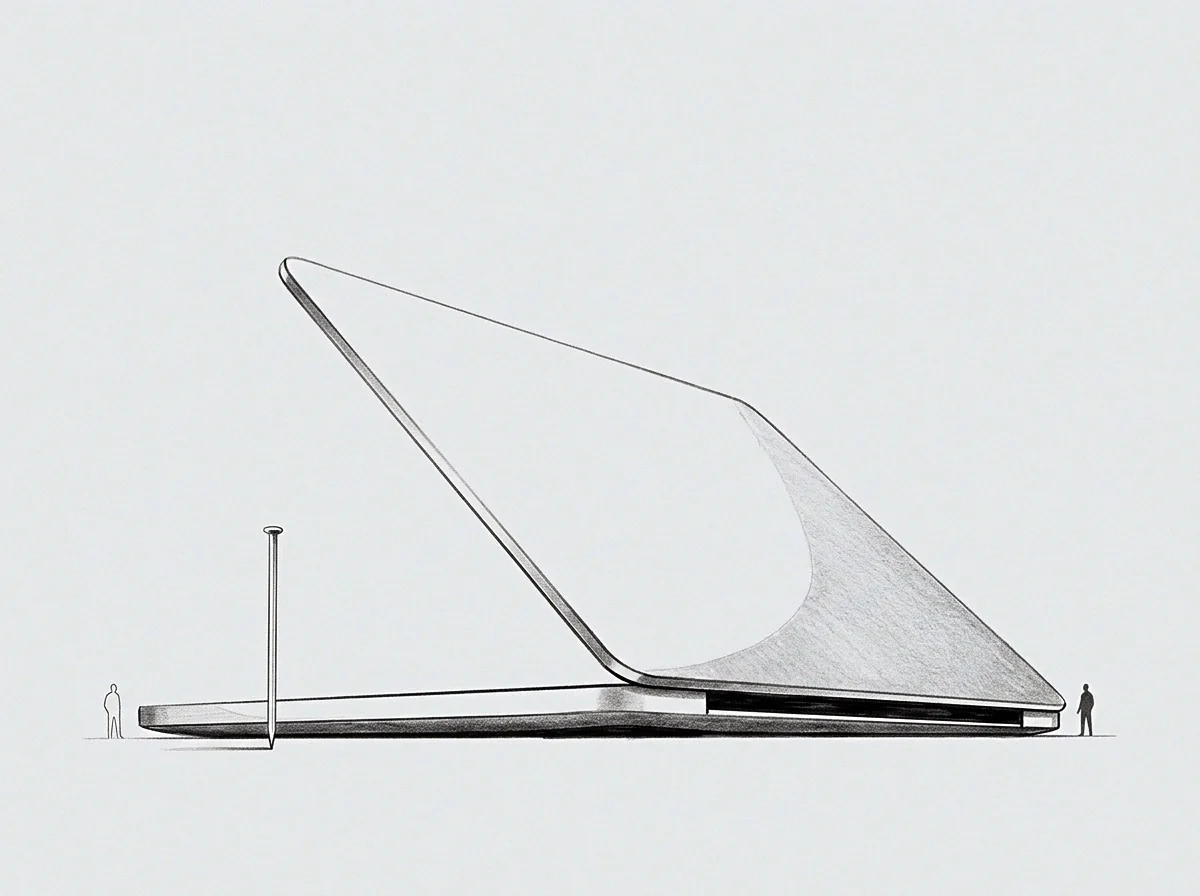
Avoidance
What kept the arrangement standing for so long was a fog over who did what, and the fog had two keepers. One of them was me. On the fronting side, a share with no measurement next to it never has to be argued for.
On my side, as long as nothing was measured, I did not have to say out loud what I wanted from the business, what my part was worth, or put a figure on either. Two avoidances, one fog, and the whole thing held because it worked for both of them.
I scoped jobs and put dates on deliveries, and that was right, and it reached the jobs. It did not reach the fog. A fog has no edge to scope.
What ends a shared one is a single side stepping out of it and measuring in the open. The other side’s ambiguity stays exactly where it was. What stops is the keeping of it by two.
A fog that two seats share is just the conditions, and nobody can be pointed at for the conditions. Once one seat stands in clear view with its figures stated, the fog on the other side has an owner. That is conduct.
From there the terms count objects, not gestures. They are artifact-graded: the object is there on the date or it is not, in front of terms written down, and warmth, however real, is not something they count.
Weather belongs to nobody, and conduct belongs to somebody.
My own line ran under my own baseline that whole time, and I was busy reading the other seat’s.
The reading that works on other people fails on the one doing it, and the reason is mechanical. I read other people with my own routing, and an instrument has one place it cannot point. Other people’s edges sit out in front of it, sharp.
My own edges are the lens. A lens does not show up in its own picture. I could name the unspent volume for other people, in words they could hold, and watch them stop routing around it and do the sum themselves, on their side, which is where a sum like that has to be done.
It is not advice and it is not encouragement. Pointed at me, the same instrument showed nothing, because the instrument was the thing doing the avoiding.
It took a surface outside the routing: terms on paper, where somebody else could read them back. So I measured my own side first, in the open, before asking the other seat for anything. The terms written out, under them a schedule of what I had put in, and in it the figures I had not said aloud to anyone.
Years of not doing that, then days of doing it. I had been the demonstration the whole time, and did not once run the operation on myself.