
What never enters the ledger is never weighed
A ledger asks for three things and a figure is not one of them. Nearly every cost I failed to charge for stayed outside the book because I thought a cost had to be scoped before it could carry a price, and it runs the other way round.
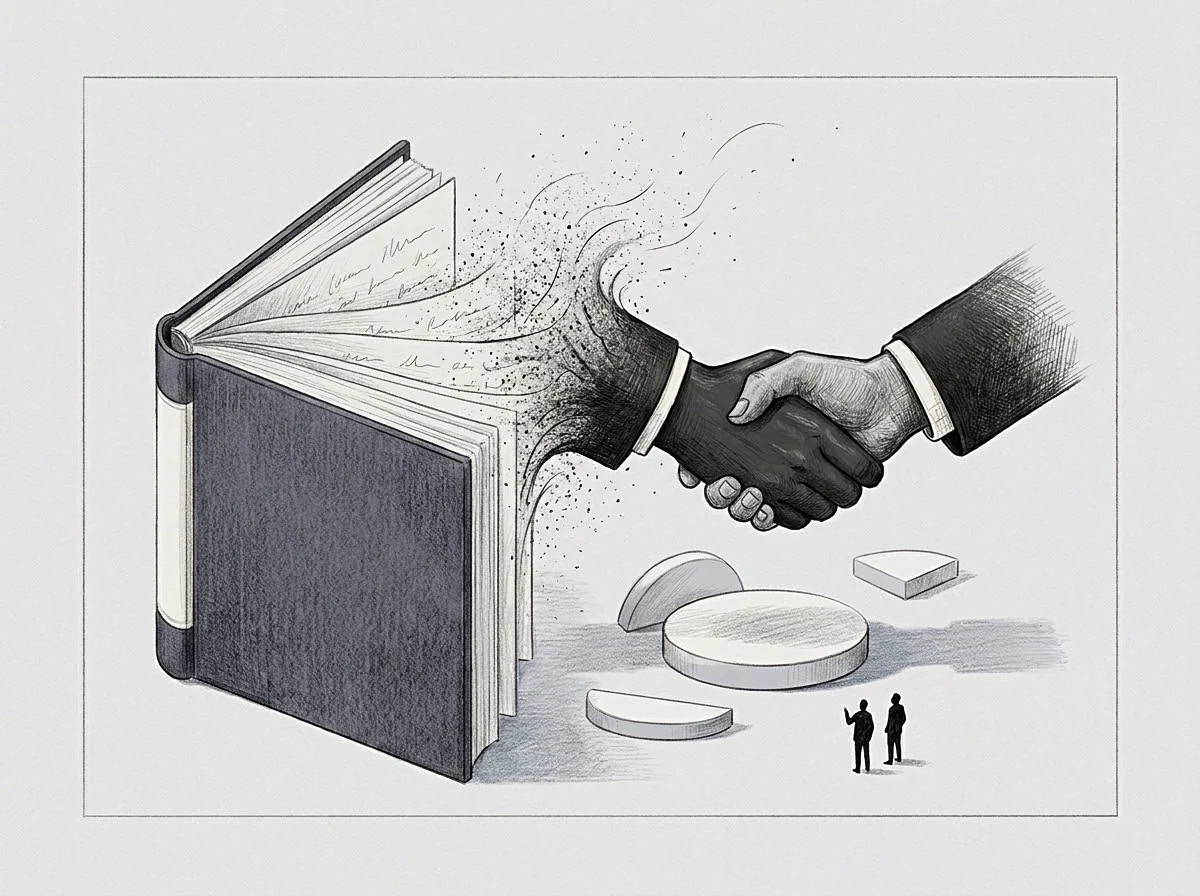
Ledger
Strip the software off a ledger and what is left is a form asking three questions, in this order.
- Which direction. In, or out.
- Whose account it belongs to.
- Which other accounts it stays apart from, so that one is not cancelled against another.
Magnitude is the one field allowed to sit empty. An entry with no amount on it is still an entry: it has a side, it has an owner, it sits in its own account, and somebody can come back to it later and work out what it was worth. The number arrives last.
It costs the least to put in. The line is the hard part, and the line is the part people skip.
Weighing needs two lines and a rate between them. One line on its own is an opinion with nothing standing beside it. A cost that got no line at all does not lose the comparison; it sits outside the comparison, and the party carrying it is the one who can see the book is short.
The price of leaving it out comes due late and in one piece: both sides arrive at the end holding an itemised claim about a finished past, each counted in a unit the other does not read as a unit, with no rate left to convert them, because a rate gets written while the thing is still running and not after it has stopped.

Shape
A cost gets its line from an event. Something happened, someone did it, it went one way or the other. A described thing has no event in it yet, so there is nothing to enter, and the description sits outside the book looking like it is nearly there.
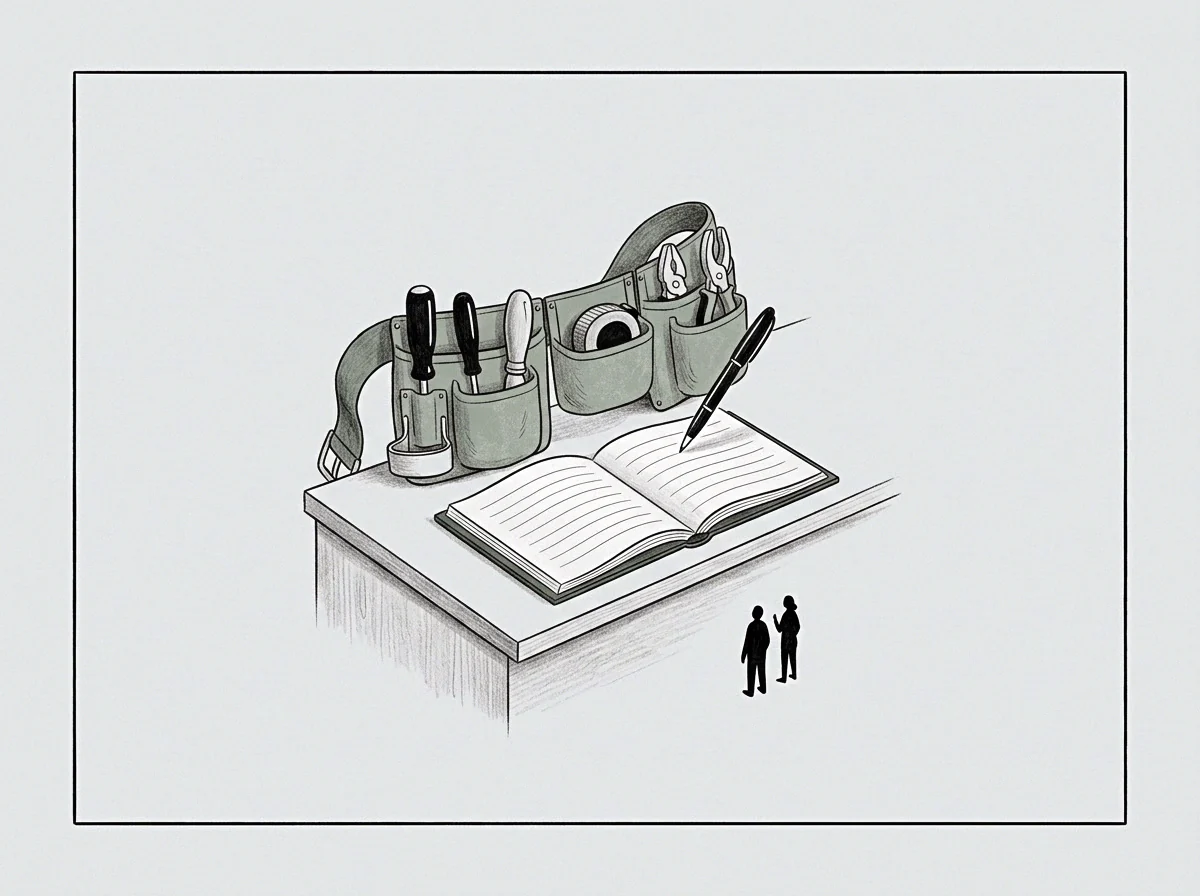
The Described Thing
It came to me the same way each time. A set of engagements already talked about, and nothing at all underneath the talk. The describing was treated as most of the distance covered, and what was left got called execution, which is the word people use for the part they are not doing.
What was actually left was the offer itself, written down, and a method for arriving at a price that holds when somebody pushes back on it. Then selling it to a person with a budget and a reason. Then the first delivery, which is where anybody finds out what the thing really takes, and after that the correction, when the first delivery comes back wrong.
Jobs, weeks out of a person’s life, none of it visible from the room where the idea got described. None of it registered, because none of it had happened yet, and a thing that has not happened yet reads as free to whoever is not going to do it.
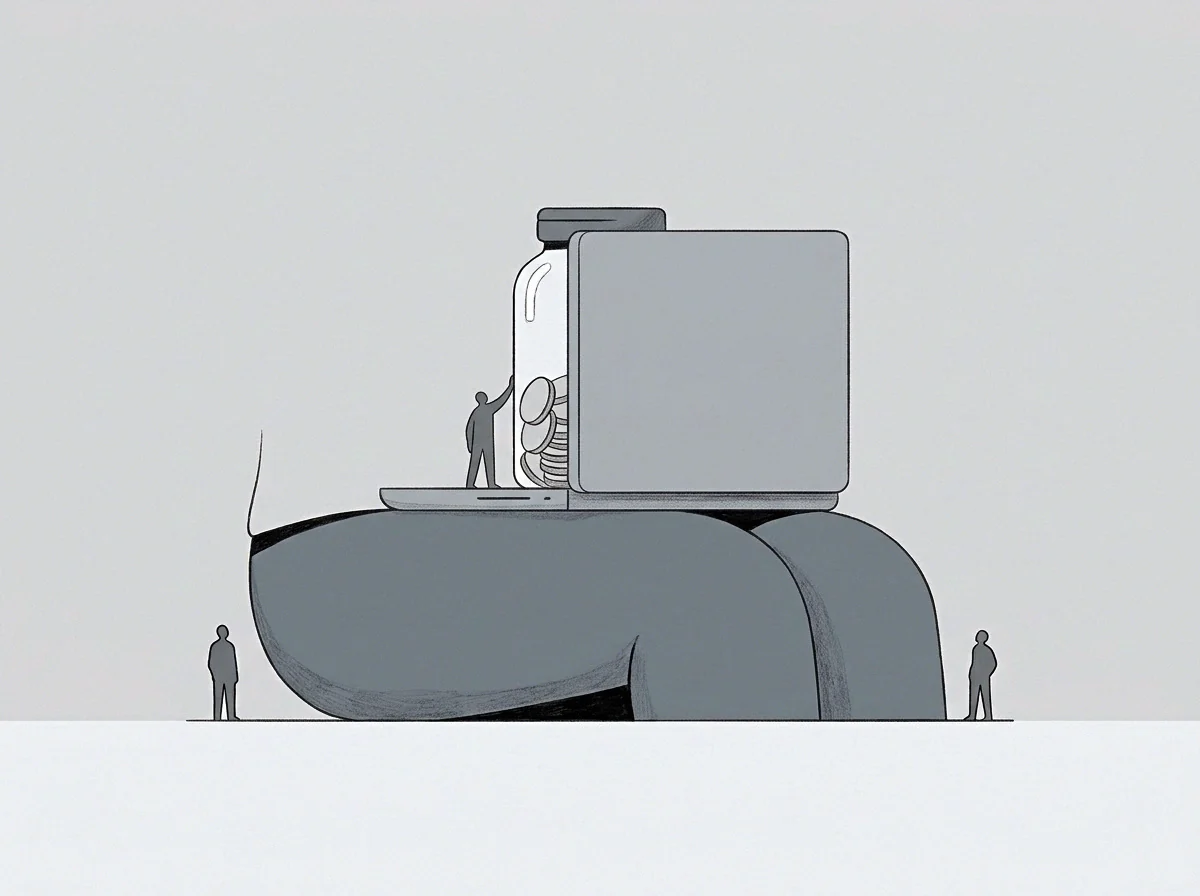
What a Shape Costs
A thing somebody can buy is not a better description of the thing. It has a price on it, and a way of arriving at that price that survives being pushed on. Under that sits one delivery already done, because until one has been done nobody knows what the doing takes.
Each of those parts has hours in it, and the hours come out of one week, belonging to one person, who is not doing anything else while they are in there. A description costs a room and an hour. A shape costs every week after that, and the two get talked about as though they were one object.
I did that costing in my head for years.
In my head it was precise. I knew what each described thing would take and whose week it would come out of. The figure kept climbing.
Nobody else could see any of it, because a number held privately is not an entry. It is a mood. Nothing unbuilt carried a price, so nothing unbuilt had a side or an owner either.
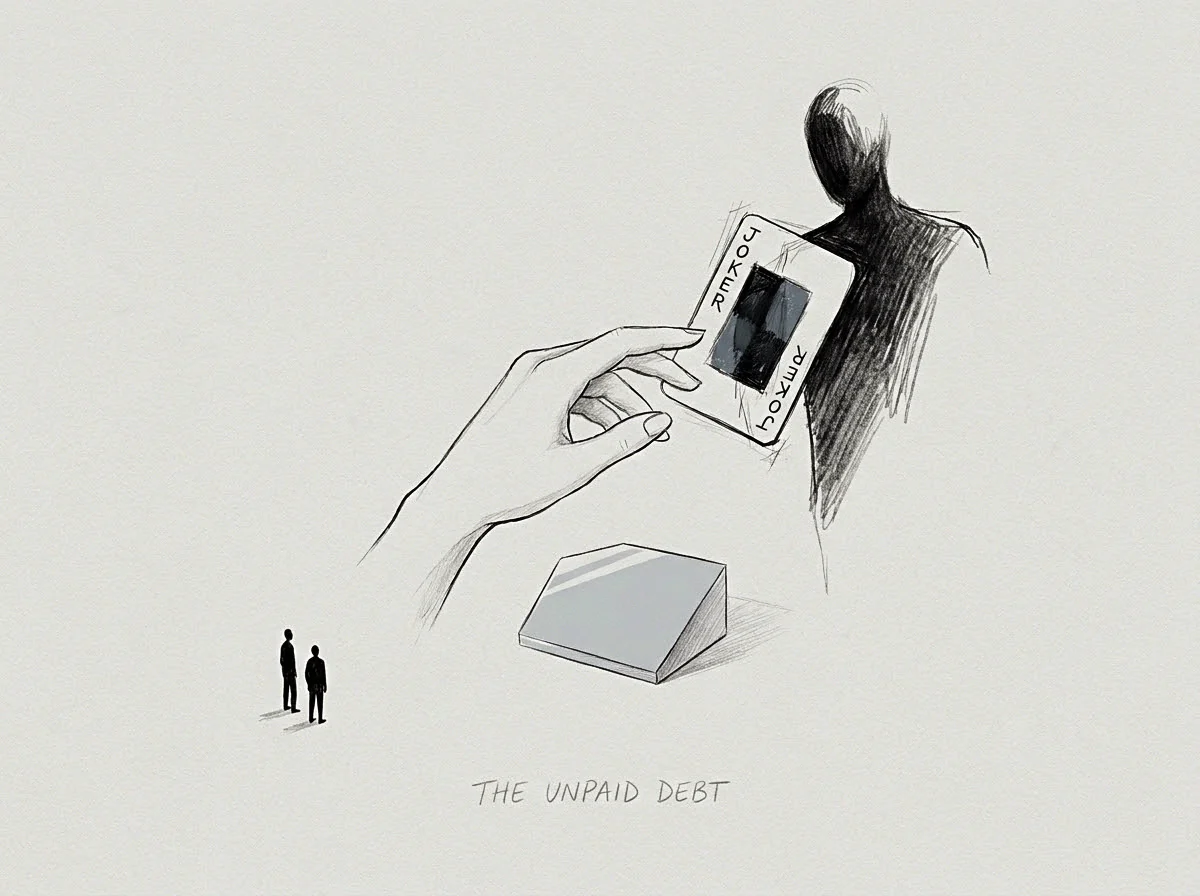
The Work With No Owner
Work with no side and no owner is not refused. It is absorbed. The absorbing has no minute in it that anybody could point at afterwards, which is what makes it cheap wherever a person looks and expensive across a run of years.
I paid something at the minute I said a cost out loud, I paid nothing visible for carrying it, and the bill for carrying it turned up somewhere I was not looking. So the saying did not happen. The cost went on existing while it was not being said, in the part of the operation nothing runs through, and a thing sitting in the open can still be out of sight.
An hour nobody entered was still worked, and the one who worked it is the only party who knows.
The set of engagements I am still carrying is findable the same way. I have not put an hour against it. I have not put a price beside it.
Nobody put it out of sight; it gets said out loud, fast, the same way every time. What I pay for that is nothing in any week I could name, and then the whole of it at once, later. I know that, and the line is still not in.
Cache
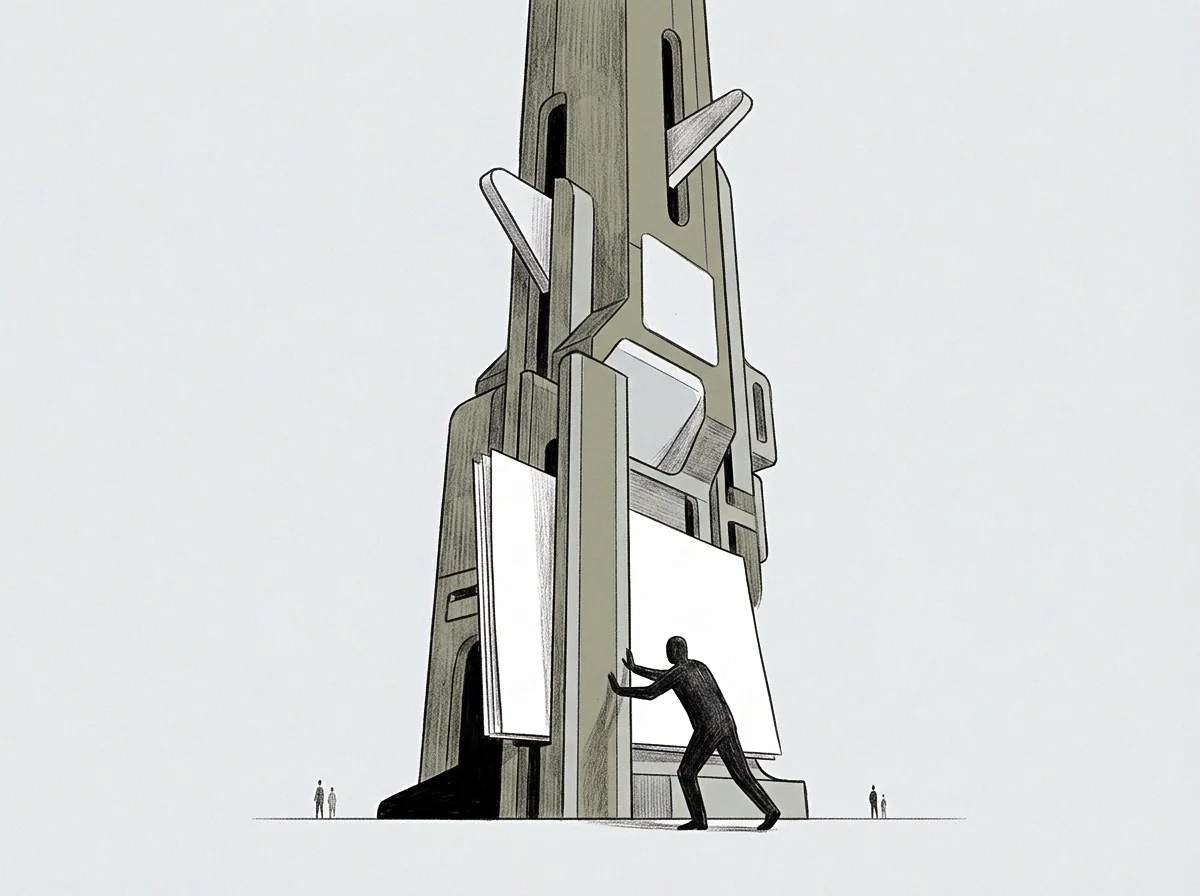
The move that never got costed was not thinking, and it took me a long time to see that. Somebody describes a set of engagements, my head says that can be sold, and it says it before anything about the actual thing has gone in. There is a plain account of this in the research on how a person answers fast.
Daniel Kahneman and Shane Frederick set it out in 2002 under the name attribute substitution: put a hard question to a person and the head quietly answers an easier one sitting next to it, the swap is not noticed, and the answer to the easy question gets reported with the confidence the hard one would have earned. The hard question here is what it would take to build the thing, price it, sell it and survive one delivery. The easy one is whether it sounds sellable.
The field has used that account since as its standard reading of the quick answer, and what it explains is not error. It is fluency. The reply arrives quickly and comes with the feeling of knowing already attached to it.
A shortcut hands back an answer that got worked out once, some time ago, and was kept, sitting in the place where the working out used to sit. Nothing is spent on it now, so it has no price to state, and that is why a wrong feeling is not the tell. Work something out live and the answer moves with what goes in; hand back a kept one and it does not move at all.
So the test costs a minute and anybody can run it on his own head: put two unlike things in front of the same answer and watch whether the answer moves. Mine did not move. It came back the same for a hard engagement and an easy one, for a buyer with a budget and for a room with nobody in it, and it came back fast, and I took the speed for knowing.
Being sure of an answer is a leftover of how cheaply it arrived, not a sign that it fits.
An operation runs the same move one level up, and there the research is older and blunter. Amy Edmondson went into nursing units in two hospitals expecting the better-run ones to record fewer mistakes, and published the result in 1996: the better-run units turned up more mistakes, not fewer. What she had measured was not how often people got something wrong.
It was how often anybody wrote it down. The field built psychological safety on that reversal and has been building on it since, and the reversal is the part an operator can use. Writing a fault down costs the person who writes it.
Sitting on it costs nothing that shows up this week.
Once a fault is not written down it stops telling anybody where the operation is weak and starts stacking somewhere nobody counts. A cost with no line and a fault nobody wrote up are the same object: a place the operation can no longer name. And an operation walks round whatever costs it energy, so not wanting to go somewhere is not a wall standing in front of the thing, it is the marker sitting on top of it, and how much a person does not want to go there is the size of what is underneath.
Nothing goes there, so nothing gets disturbed, so it accumulates, undisturbed, for as long as the routing holds. The unprocessed material in any operation is not scattered. It sits in a few places, and the operation labels them itself, by refusing to walk in.
What that reading cost me to find true was years of work I did not charge for. Thinking harder was not going to get me there, because the thinking was the part that had been kept, and the answer had to be set next to a problem it did not fit before it would move. A run that went well tells an operator his reading of the market was good enough, and he assumed that before he started, so it adds nothing he did not have.
So a stack of small stated errors is the asset, and a book kept clean by silence is not a clean book. Which leaves the question an operator has to put to his own book, because nobody outside it can: where is the region nothing has been entered about, and what has been collecting in it while the book stayed clean?
Price
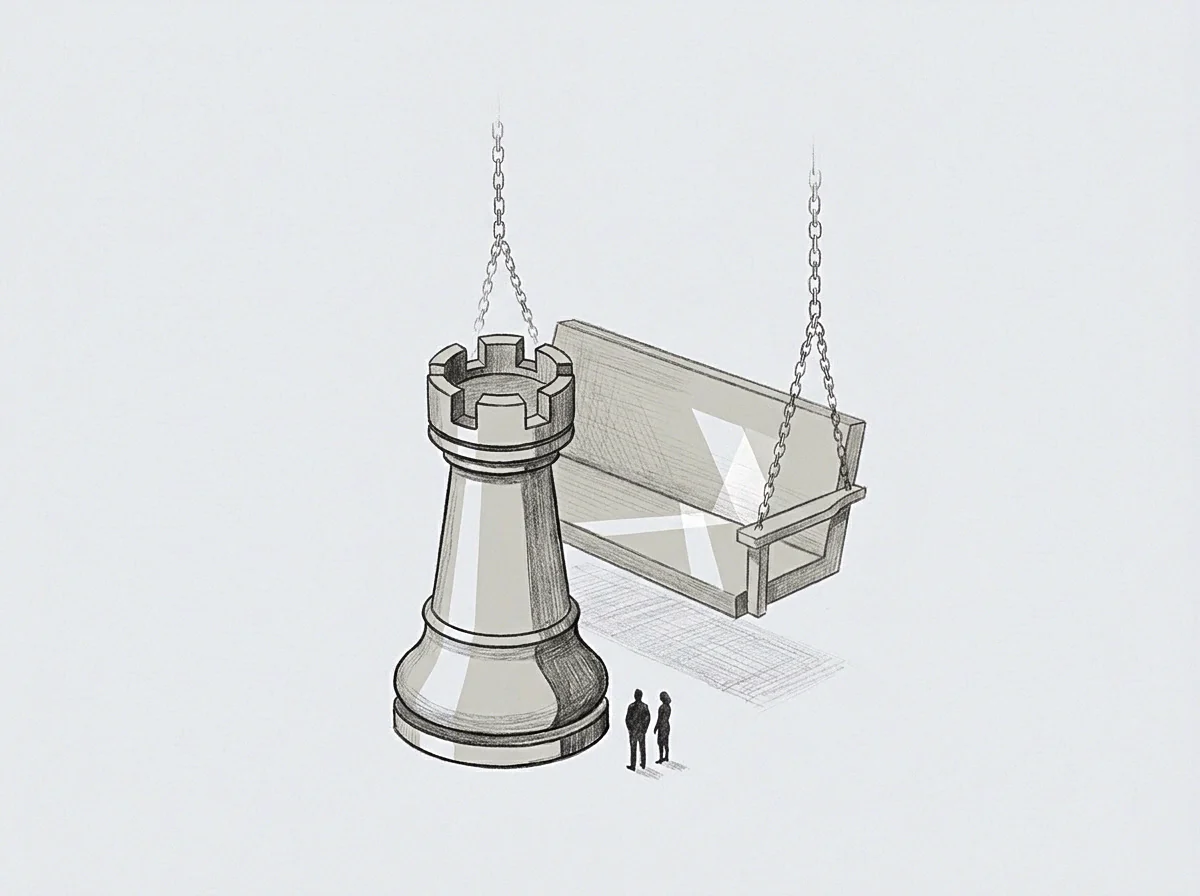
I have said a price out loud before anything existed, and saying it cost me nothing. Naming a cost that early feels odd, and the odd feeling is the tell that it is cheap. Nobody has given anything yet.
Nobody is owed, and the other party can say no without a thing breaking. The same cost named years in lands as an accusation, because by then somebody has to be wrong about what already happened.
A price does not need a scope under it. I gave the number and I did not write the plan. Nothing about the thing got defined and the person still left the room with something he could act on, and that is why it works where a refusal does not.
A scope looks like the responsible thing to write, and it is the thing that hands the object over. Write the scope and the object changes hands in the same minute. The control of it comes across.
The knowing of it comes across. Under both of those sit the hours already spent writing it, and hours do not come back. Three things move at once and not one of them was asked for.
That is how a stack of proposals became mine with nobody asking me to own anything. A price does none of it, because a price measures the object from outside, and I stay outside with it.
The answer cost hours before anybody asked for it, and none of the hours are in it. So it goes across the table looking like a thing that came from nowhere, and a thing that came from nowhere carries no price and cannot be given one afterwards. I don’t know puts the making back in view.
It says the answer is somewhere and has to be got, and getting is work, and work can be quoted. Nobody has to accept an argument and nobody has to be confronted; the other side works it out on his own. The hours moved across into the partner’s column because I stopped absorbing them, and not because I stated a figure.
His column, not a shared one, and that is the part that had been missing the whole time. One book with both parties inside it turns every question of what something was worth into one side taking from the other, and nothing shaped like that can be answered. Two columns instead.
I keep mine, the partner keeps his, neither of us is asked to accept what the other put in his own, and the terms do the converting, written per engagement and not once for the whole arrangement. That is the rate the two units were missing. It is also how one party can hold a smaller share than another without either being put above the other.
I sat down at some point and worked out what the arrangement I run now takes out of a week, with the old way of working in the column beside it. The new one came out under. That was not what I expected, because there is far more stated in it: more terms said out loud, and small refusals that take a second each and feel rude for about that long.
Every one of those is expensive at the moment it happens, and expensive in the way a person feels immediately. What they save is delayed and invisible until it stacks. That is also the reason the expensive way stays open at all, because hardly anybody is standing in it, and the old way felt lighter the whole time I was paying for it in work that stayed conceptual on one side of the table and load-bearing on mine.
The cheap way is the right call on every number a person can see, and wrong across a stretch nobody holds in view.
So the term now goes in ahead of the scope, in one sentence anybody can repeat back: this is what it costs, and what the thing is gets settled after. What it changes is who is holding the hours while the two parties work out what the thing is, and that was me for long enough to know the weight of them.