
Terms for the last counterparty
Work I gave without a price kept a claim growing on my side whether I meant it to or not, and a price said out loud, before anybody asked, gave that claim an end. The drive that shuts a person with a label shuts me with one as well, so the fix for myself was terms and not an entry: a stated standard, an end date and a fallback.
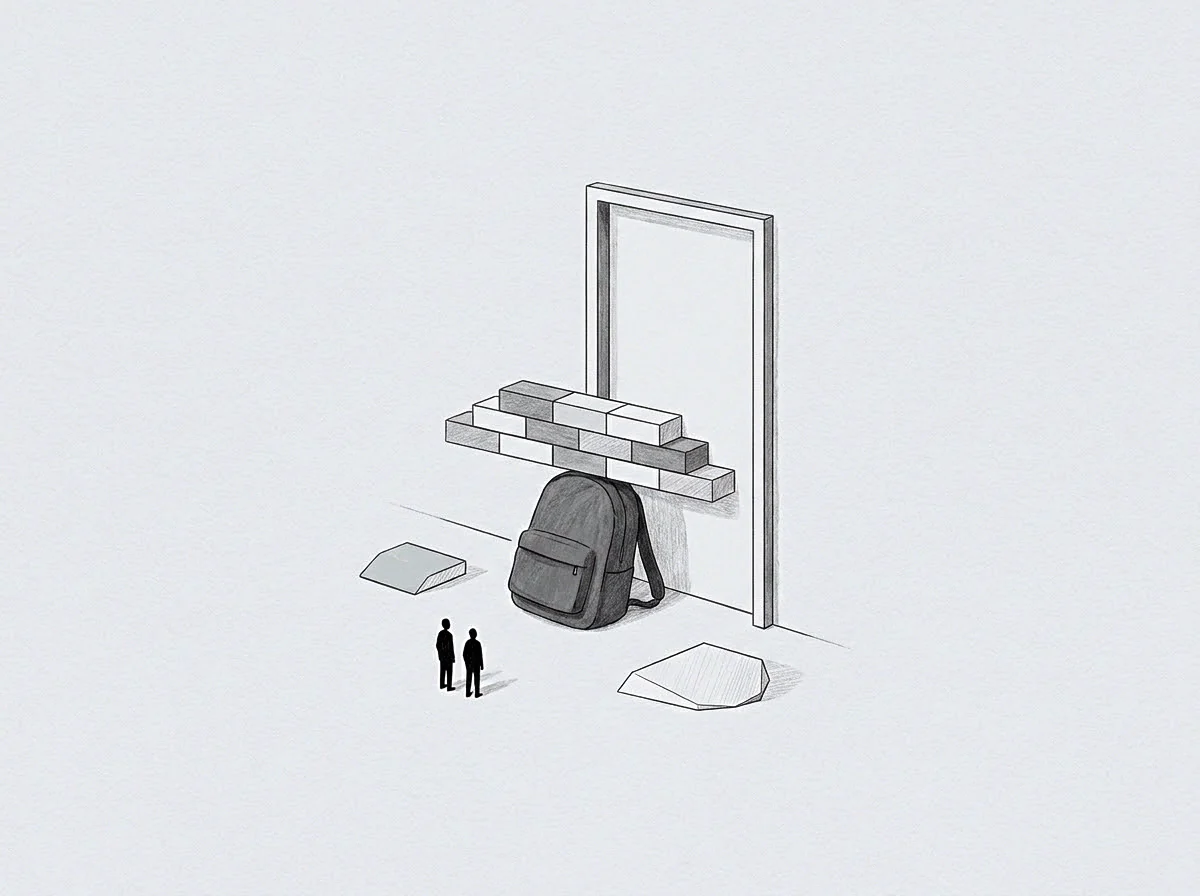
Invoice
Work goes out unpriced, with nothing that says where it ends. Hours that never reach an invoice. Months of supply nobody put a number to.
None of it is said out loud, because saying it would sound like a bill, and it was not given as one.
A count starts anyway, and nobody starts it. Supply with no stated end has no moment at which it is paid, so it stays open, and whatever stays open on the side that gave it adds itself up. The one who gave can feel the total.
The seat that received sees an even arrangement, or sees the giving running the other way, and says so without lying: nothing was ever shown to it. What forms is a claim only one side can see. Nobody can collect it without a counterparty who knows it is there.
Nobody can let it go without a counterparty who once agreed it was there. Both exits run through the other side, the other side was not told, and a claim with both exits shut has one direction left. Up.
I had one line for several arrangements that had nothing else in common, different people, different work, different terms: the other side does not even know what it cost me. The counterparty changed every time and the line did not, so the line carried no information about the counterparty. It described how I ran the arrangement: a covert contract, with the terms written in one head and nowhere else.
What decides the kind of giving is not its size and not the intention behind it. I meant all of it, and some of it gladly. The test is whether the supply had an edge and a name, a scope somebody stated and an end somebody stated.
I put a figure on every private claim I can still reach, and I say it before anybody asks: a rate for the hours, a share for work brought in, an end date on anything that used to run open. Almost nothing in the work changes. Same people, same hours, same jobs on the desk, and a relief out of all proportion to that.
A price on the table goes one of two ways, paid or refused, and both of them finish. A claim nobody has seen goes one way. The fault was never in being good at the work, or decent about it.
Fed into supply with no stated end, both turn into claims nobody can pay.
The term that replaces the silent version fits on one line: payment first, or a date written in that fires the consequence by itself, with no reminder from me. It moves the figure out of the one head that could feel it growing and onto a page both sides can read from the first day.
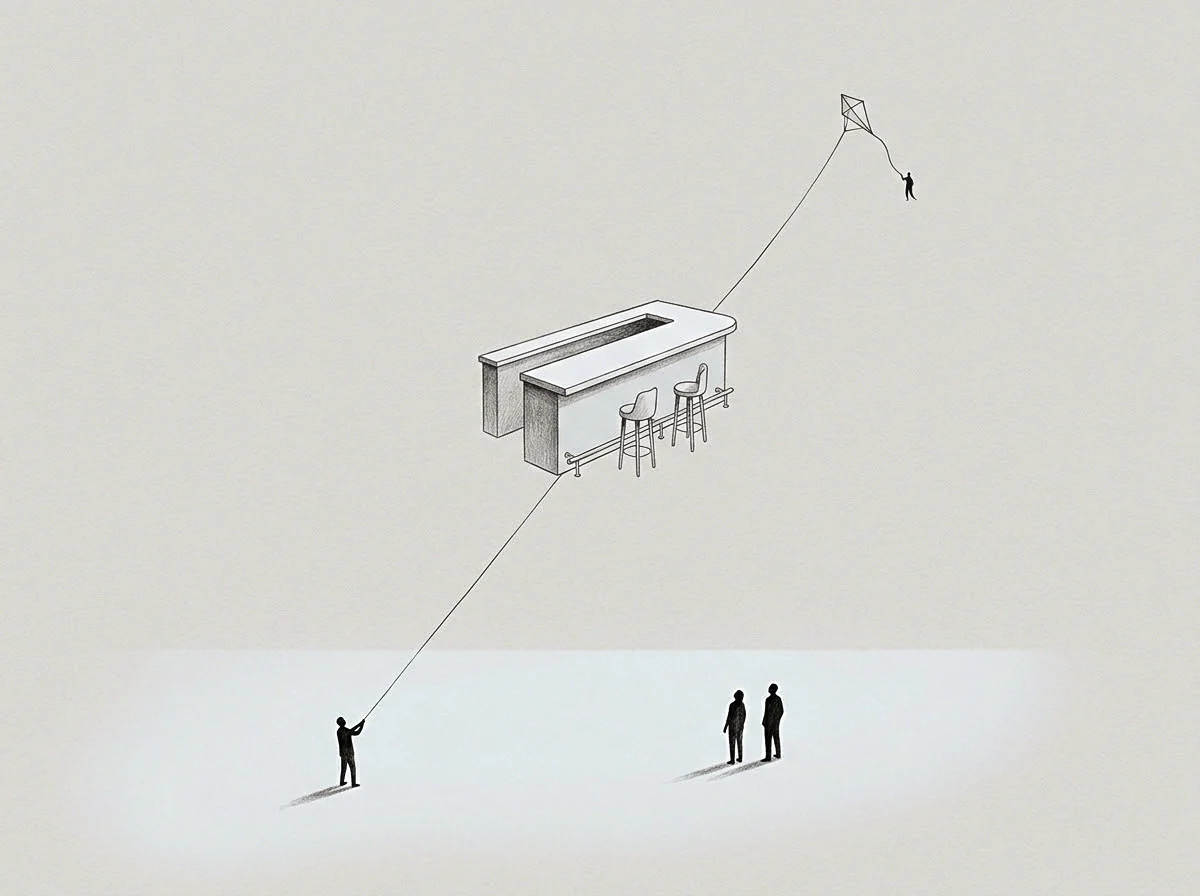
Completion
My system does not leave things open. A thing starts, the thing gets finished, and the room it took in my head comes free. I built everything I have made on that drive, and on a project it is exactly the right drive.
A person is the input it cannot finish: new data keeps coming, the position moves, half gets delivered, and nothing resolves on a schedule of mine.
A person who will not close gets closed anyway, by the one move the drive has for that: one line saying what kind of person holds the seat, written on the front of a folder, and the folder shut. I call the move the completion device, and what it turns out when the input is a person is a label. The live version costs by the hour, because a decision of mine is hanging on what another seat will or will not do.
I am the one left guessing whether the delivery will come, picturing what breaks if it does not, and holding a plan for that case. It is also why work I hand to a seat that does not deliver costs me more than work I keep. A shut folder stops all of it.
That is the relief it sells.
The less a person resolves, the sooner the label comes, because more is left open. Low capacity brings it sooner again: an open thing weighs more on a low night, and shutting one looks cheap at almost any price. For years I called that character.
Now I call it what it is: the drive that finishes my projects, aimed at the wrong kind of input. Advice to be gentler with people fails on me for a mechanical reason: it asks the finishing to stop, and the finishing is what clients pay me for.

Both Names on the Folder
There is one drive, not two. The standard it holds a counterparty to, after a delivery that did not arrive, is the standard it holds me to, and it runs the same procedure on both. The name on the folder is not an input it reads.
Most of the lines I wrote outward carried a second clause I did not hear myself add: that I was a fool to have needed them. So the lines about other people and the line about me get worse together, and for a long time I worked on them as a pair of problems.
A label written about somebody else is a draft of the one about me.

What Stays and What Goes
Three things get mixed up here. The file is dated entries of what actually happened, with no line about anybody on the front, and it is what I can put on the table when somebody says a thing never happened. The sorting reads a seat against a held spec: this seat does not deliver on time, so nothing in the arrangement will wait on its delivery.
Sorting produces a design, a term, a gate, a fallback, payment up front from a seat that pays late. It is how I get a price right and how I see early which seat will not deliver, and I keep it. The label is the third thing, who the person is, and it produces a line with no end date.
The label goes, and until it goes it costs me something every day it stays up.
Every arrangement carries two loops. The structural one is money, dates and deliverables, and a plan can close it. The relation has no deliverable, so no plan reaches it.
A label is the drive trying to shut the relation with the tools that shut the structure. I close every structural loop I have, and part of the relief still does not come. That part belongs to the relation.
Looking inward did not show me any of this. A misfire did. The drive went off at somebody who was offering me something with no terms attached at all, and the label had nothing to hold on to, so for once I could see it.
Every label that had fitted had kept the mechanism quiet.
When a line about who somebody is starts to form, I put it down unfinished and go and draw the design the sorting was asking for.
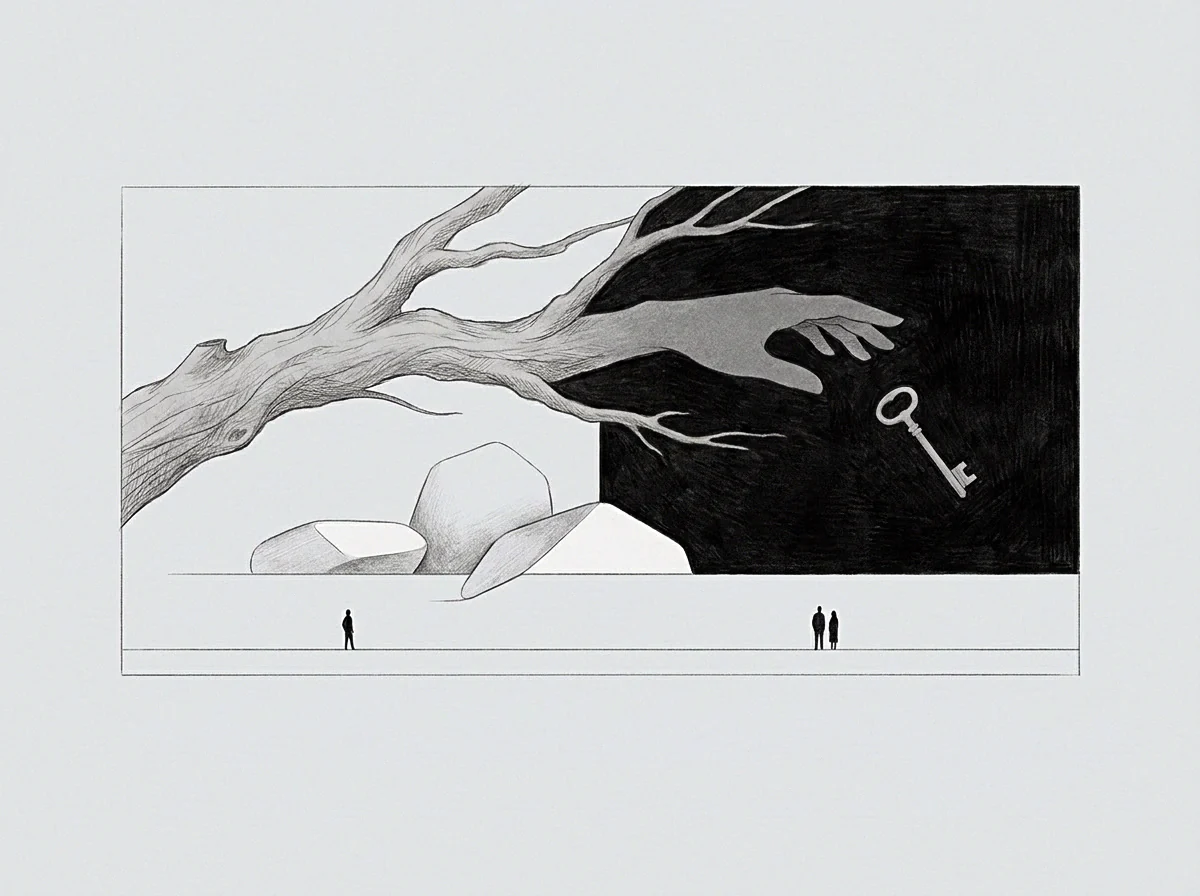
Receipt
Somebody carries something for me that I did not pay for and could not have carried alone just then.
Something prints the moment that help lands. Nobody asked for it, me included. It names what came in and wants something to go back.
I feel the slip as guilt. I call it the receipt, and most of the time it is useful.
The seat the receipt gets is where the fault sits. Handed a veto, it votes on everything after: a price, a refusal, a message left unanswered. The answer arrives before I have finished asking.
Some receipts do not close at all. The help that wrote them came with no edge and no name: nothing says how much it was, so nothing says when it has been answered. It stays open, and it can come due on any day, in any kind of work.
The one who helped need not be counting. The shape of the help does the counting. The help was sincere, a cost was coming from the first day, and the two do not contradict each other: missing terms produce both.
The one way I have found to close a receipt like that is to answer it on purpose and know that I am answering it: a piece of work I would have refused, taken because of the receipt, and named to myself as the return. Chosen and named, it is a cost I can point to. I cannot point to the returns I made without naming them.
It still cost me, and not in hours. I had to hold somebody else’s system whole in my head, still moving, until it was done. That mode drains me, and what it drains is capacity, which does not grow back.
The receipt keeps its voice and loses its veto.
That is smaller than tearing it up, and harder to hold. Tearing it up is available, and it works, but the part that carries things back is the part that writes the receipt.
Wrong one way, an old receipt sets today’s prices and today’s refusals. Wrong the other way, the receipt goes, and the repair goes out with it.
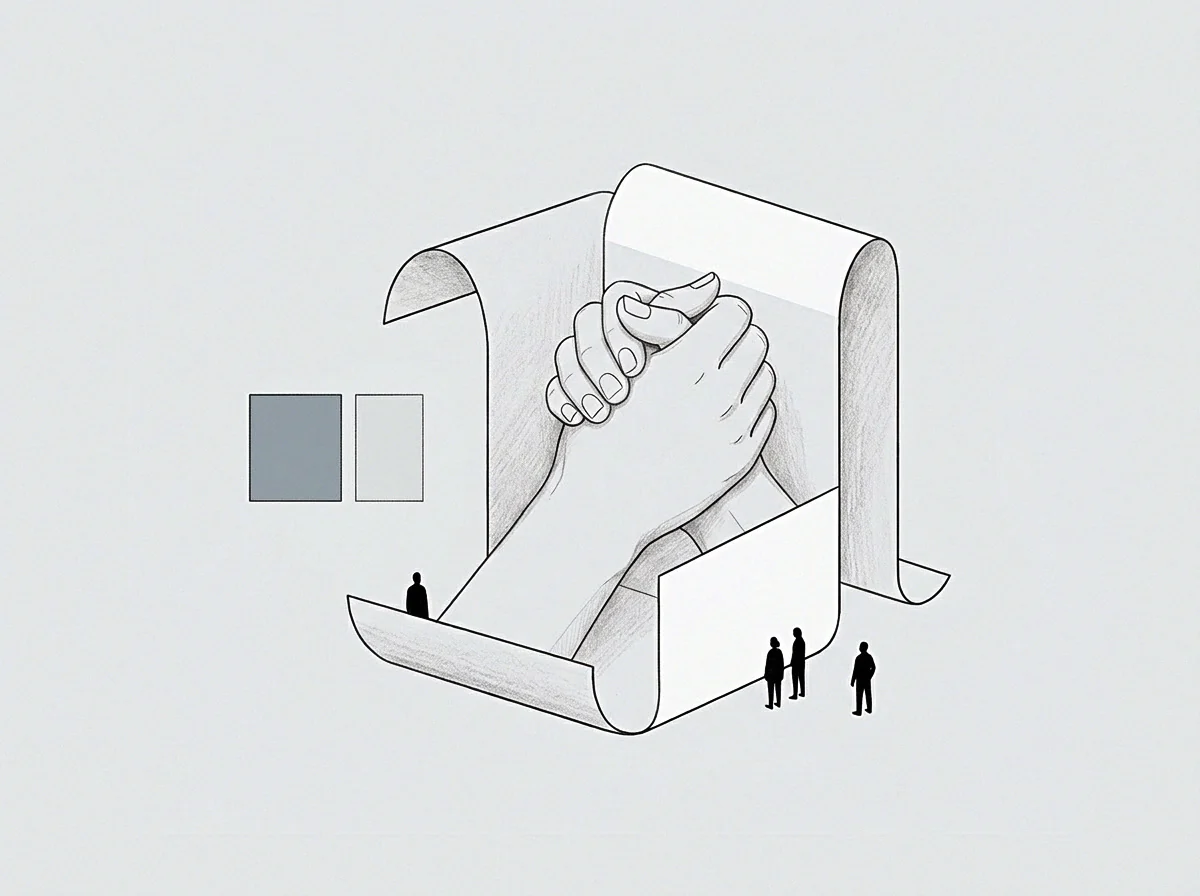
Repair
The cut the record kept coming back to is older than the record, and psychology knows it as the shame and guilt distinction. Helen Block Lewis, a psychologist and psychoanalyst, set it out in 1971 in Shame and Guilt in Neurosis, working from transcripts of therapy sessions. In guilt, the bad evaluation lands on a thing done or left undone.
In shame, it lands on the self, and the whole person is what gets found wanting. Lewis also followed where shame goes when it cannot be borne. It turns outward, as rage at another person, and Lewis called that humiliated fury.
The words can stay exactly the same while the weight moves from what I did to who I am.
June Price Tangney measured the cut in ordinary people, far from any therapy room. The Test of Self-Conscious Affect gives people short scenes from ordinary life, each followed by several ways somebody might react, some shaped like guilt and some like shame, and asks how likely each reaction would be for them. Across many samples and years of work, the two came out pointing in opposite directions.
People prone to guilt were more empathic and more likely to do something with it: apologise, own up, repair what could be repaired. People prone to shame wanted to hide, deny or get away, and they were quicker to anger and quicker to put the blame on somebody else. Shame on its own went with more psychological distress.
Guilt on its own, with no shame mixed into it, did not. Tangney and Ronda Dearing brought the programme together in 2002, in a book called Shame and Guilt, and researchers and therapists have worked from the distinction since.
The line between the act and the person runs through criminology as well. John Braithwaite drew it in 1989, in Crime, Shame and Reintegration, for the way a community answers an offence. Disapproval aimed at the act, from people who stay in the relation, and ended by some gesture that takes the person back, Braithwaite called reintegrative shaming.
Against it stands stigmatization: a label fixed on the person, with no ceremony that ends it. The book’s argument was that stigmatization, because it does not close, pushes people toward the only company still willing to have them, the others carrying the same label. Restorative justice took a good deal from it: the harm named, the act disowned, the person kept.
I came away with the receipt and the label in different places. The receipt is the guilt kind. It points at a thing, something moved toward me and was not answered, and a thing can be answered.
My own system is built the guilt way: distress turns into a task, and a task has an end. The label is the shame kind. Lewis’s fury and Tangney’s blame are shame pointed outward, and that is why my lines about other people rose with the line about myself: one feeling, pointed two ways.
A line about who I am has no act in it. The grinding is my system searching that line for a task, and there is none in it: nothing to return, nothing to repair, nothing to deliver. A thing my method cannot convert has no end of its own.
One has to be written in.
Finding it true meant a second look at the hours I had spent going over what a counterparty failed to do. They had been practice for the nights, when the same going-over runs with me in it.
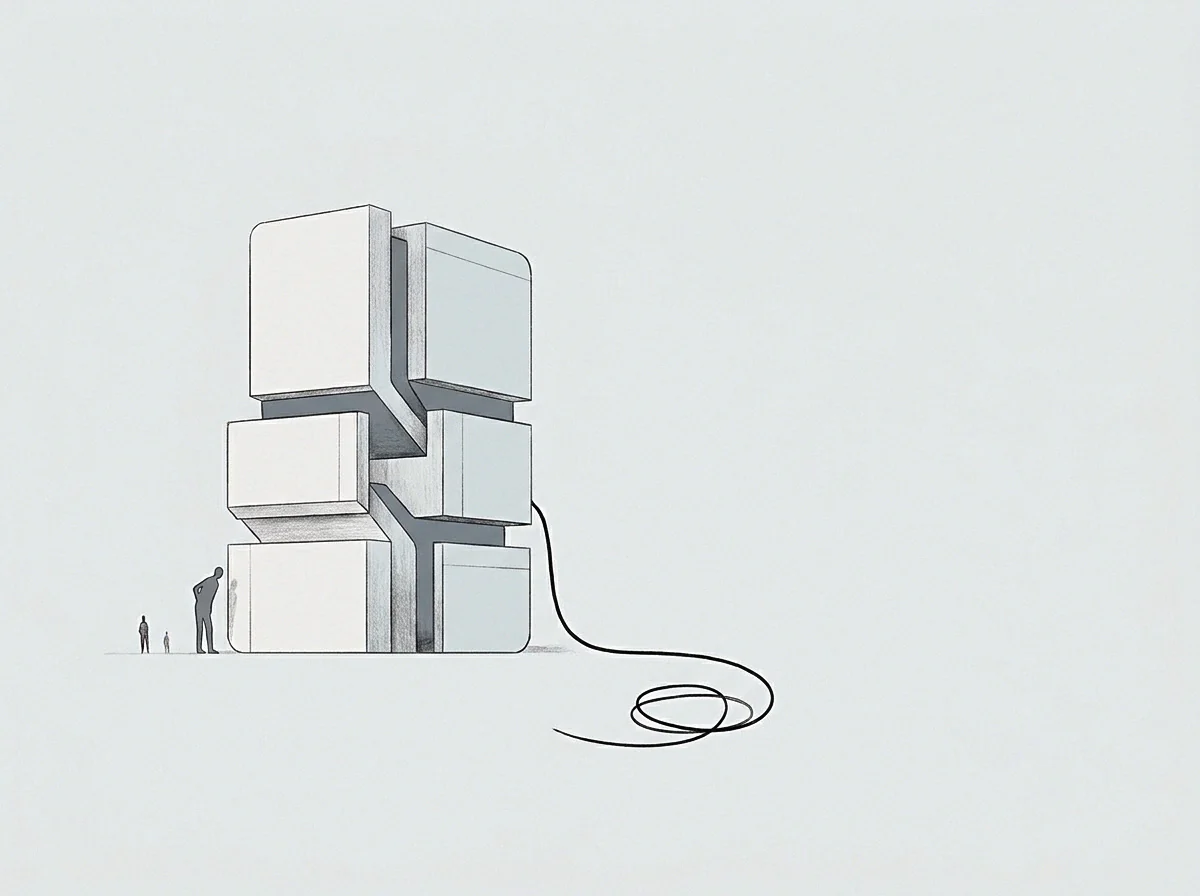
Expiry
Every counterparty I work with now has terms, an exit and a price, except one. The arrangement I left alone is the one with myself, and it runs on everything I stopped accepting from other seats.
- A stated standard. Without one the standard floats, and a floating standard climbs whenever I come close to it.
- An expiry. Without one, a line I once wrote about myself stays in force with no end, because nobody is coming to lift it.
- A fallback. Without one a miss does not cost something, it takes the whole thing down, because nothing else was holding it up.
The first form the fix took was an entry for myself: keep the count on me as well. The count went soon after, and its vocabulary with it, inward as well as out. Keeping track of what somebody supplies is already a way of measuring, and the measuring does not land where it is aimed.
It lands on me. Counting and labelling are one family, run by one drive, and an entry for myself would have been that drive pointed at a folder with my name on it. I kept reaching for the bookkeeping words for a while after I had dropped them.
They go anyway.
So the last counterparty gets what every other one gets now: terms, not an entry. A standard said out loud, so it cannot float. A date on which any line about me stops being in force, set in advance and firing by itself.
A fallback, so a miss costs what it costs. Finishing is not what lets me put a thing down. Things finish late, or in half, or not at all.
A thing goes down on the day written on it, as long as the plan for a miss is in my hands and nobody else’s, and every other line I carry already leaves my head that way. Braithwaite’s ceremony, for a counterparty with nobody else in the room to perform it.
It is more work than any contract I have rewritten.
Tell me what enough is, and until when.