Meaning
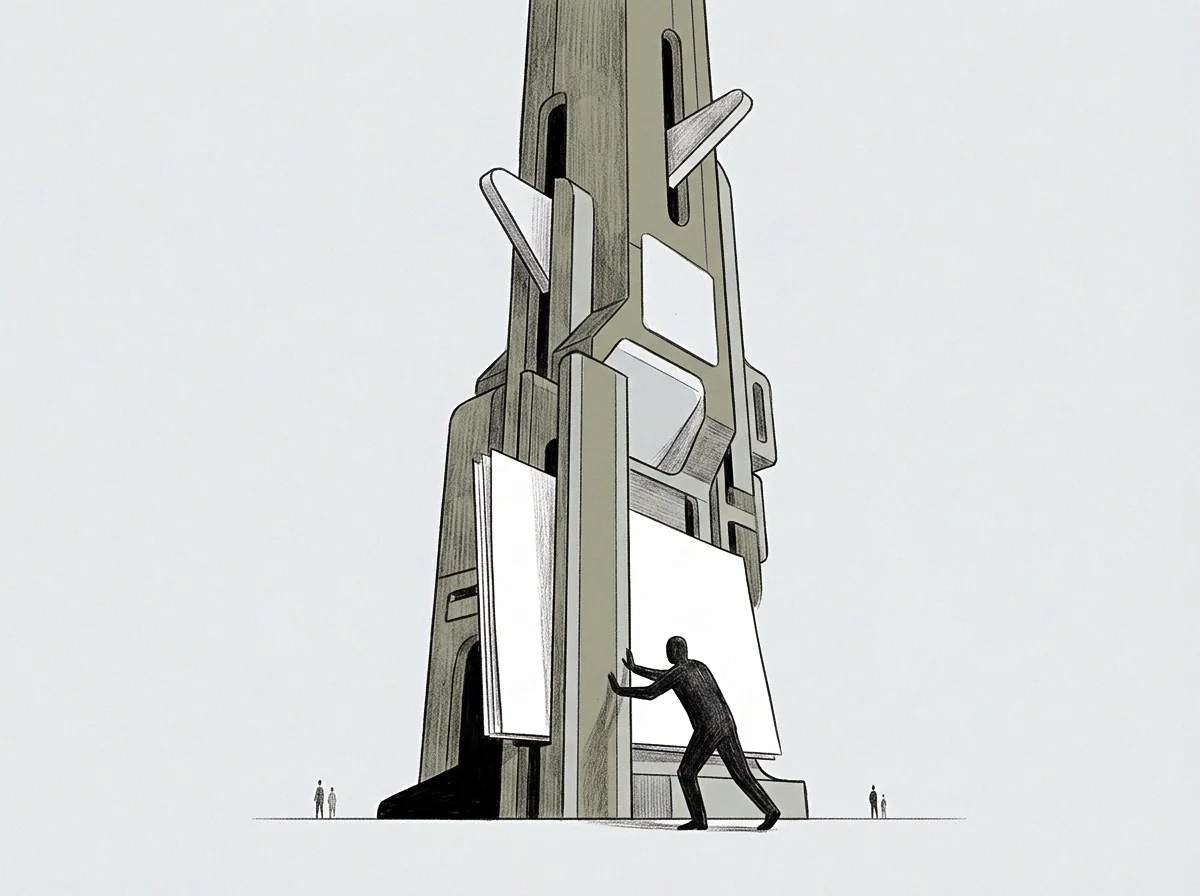
Mental shortcuts represent the cognitive patterns where a founder relies on previous decisions to bypass the energy cost of new analysis. A cached answer is a preformed conclusion held in the mind of the operator that replaces active observation when a familiar situation appears. It functions as a stabilization mechanism during the high velocity founding stage, allowing for rapid movement without the friction of constant re-evaluation.
Once the seat shifts toward a more measured pace, this mechanism often causes a mismatch between the current requirement and the historic response. The term describes the boundary where past efficiency becomes a present error by preventing the identification of new costs.
Cognitive Inertia
Decision speed remains a priority for the one who built the system from nothing. While a cached answer reduces the cognitive load of daily tasks, the lack of fresh scrutiny means the original logic remains unchallenged. The operator applies a known solution because it worked when the room was small.
Relying on an old response allows the person in the seat to maintain momentum while ignoring new variables.
Hidden Cost
Valuation errors frequently stem from the failure to update the price of personal capacity. Because a cached answer usually formed when the founder’s time was an unpriced resource, it carries a legacy of unpriced logic into a stage where every hour should be weighed. The operator continues to absorb tasks or grant concessions based on an outdated mental model.
No figure enters the record for these exchanges because the mechanism for measuring them was never activated. This omission creates a persistent leak in the capacity of the founder, who pays in hours for a decision made months or years prior.
Structural Persistence
Legacy patterns often survive because the artifact of the founding era is rarely dismantled. The cached answer stays embedded in the culture and the exchange with partners who expect the old terms to hold. Since the cost was never scoped or stated, the counterparty assumes the provision is free.
Adjusting the response requires the founder to expose the previous error and renegotiate the covert contract. Such a shift demands a high energy expenditure to replace the shortcut with a deliberate measurement. The operator who fails to intervene finds themselves bound by the ghost of a previous necessity.
If the terms of the exchange do not match the current load, the resulting friction consumes the capacity of the seat. Every unexamined habit functions as a tax on the future flexibility of the arrangement.