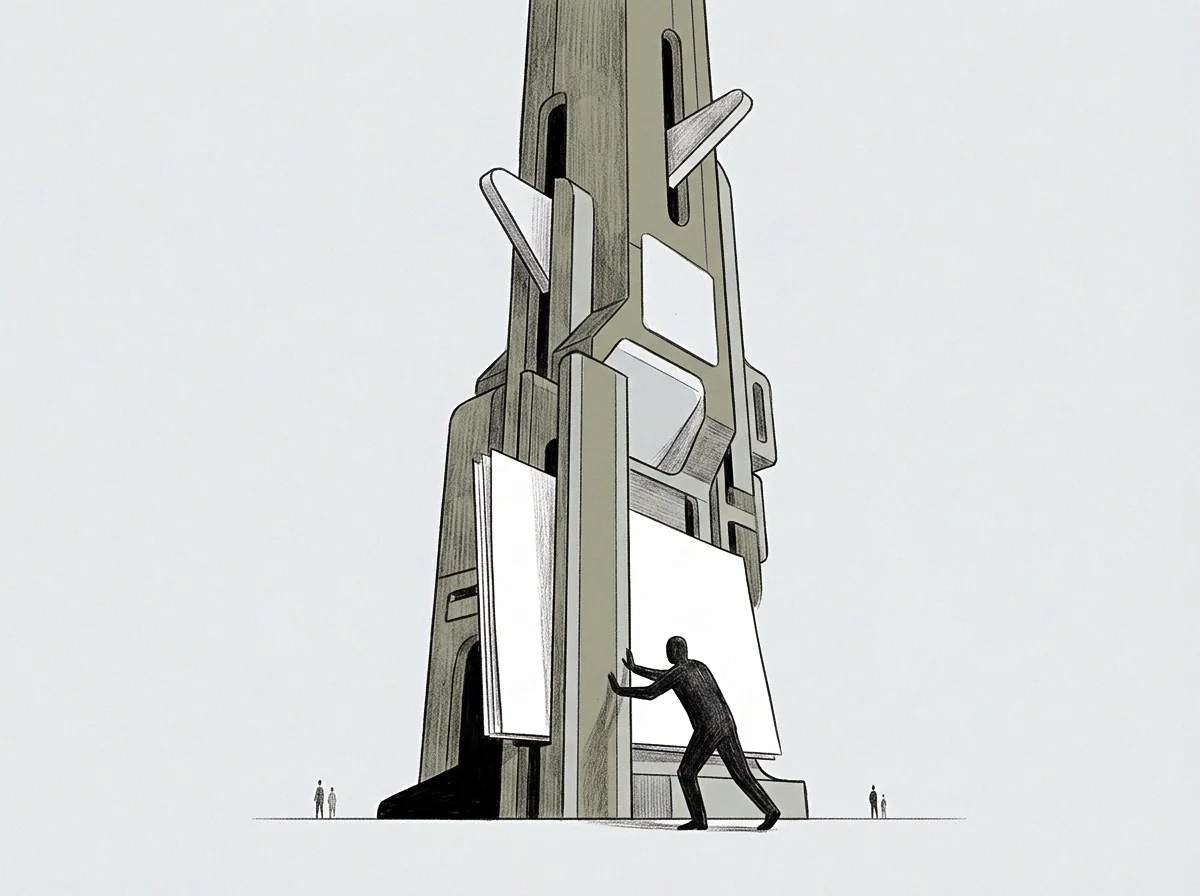
Meaning
An unexamined baseline operating posture describes the state an operator falls back into when deliberate intervention ceases. A default mode governs how attention, effort and capacity distribute across an arrangement before formal limits are declared. Inside service relationships, this baseline tends to absorb unaccounted friction by reflex rather than pricing it into an agreement.
The boundary of the concept falls where an explicit contract or a hard boundary forces every unit of delivered effort to be specified and billed.
Operating Baseline
Habitual patterns of response dictate how an operator handles unanticipated requests from a counterparty. When an unpriced request arrives, the default mode determines whether the worker pauses to scope the demand or immediately delivers the labor without recording it. Absorbing the request without formal logging feels frictionless in the short term.
Over long periods, however, this reaction pattern trains the counterparty to treat discretionary founder attention as a free baseline utility.
Capacity Drain
Unmonitored response habits carry a compounding cost in personal energy, billable hours and focused attention. Because the labor expended under a default mode remains invisible on formal invoices, the counterparty develops no incentive to moderate incoming demands. The operator accumulates cognitive fatigue while subsidizing the counterparty without contractual recognition.
Boundary Condition
Contractual specifications and formal intake filters suspend habitual behavior by forcing every piece of work through an explicit review. When an agreement mandates documented change requests and distinct billing items, passive absorption becomes impossible. At that point, the automatic posture gives way to measured evaluation.