Meaning
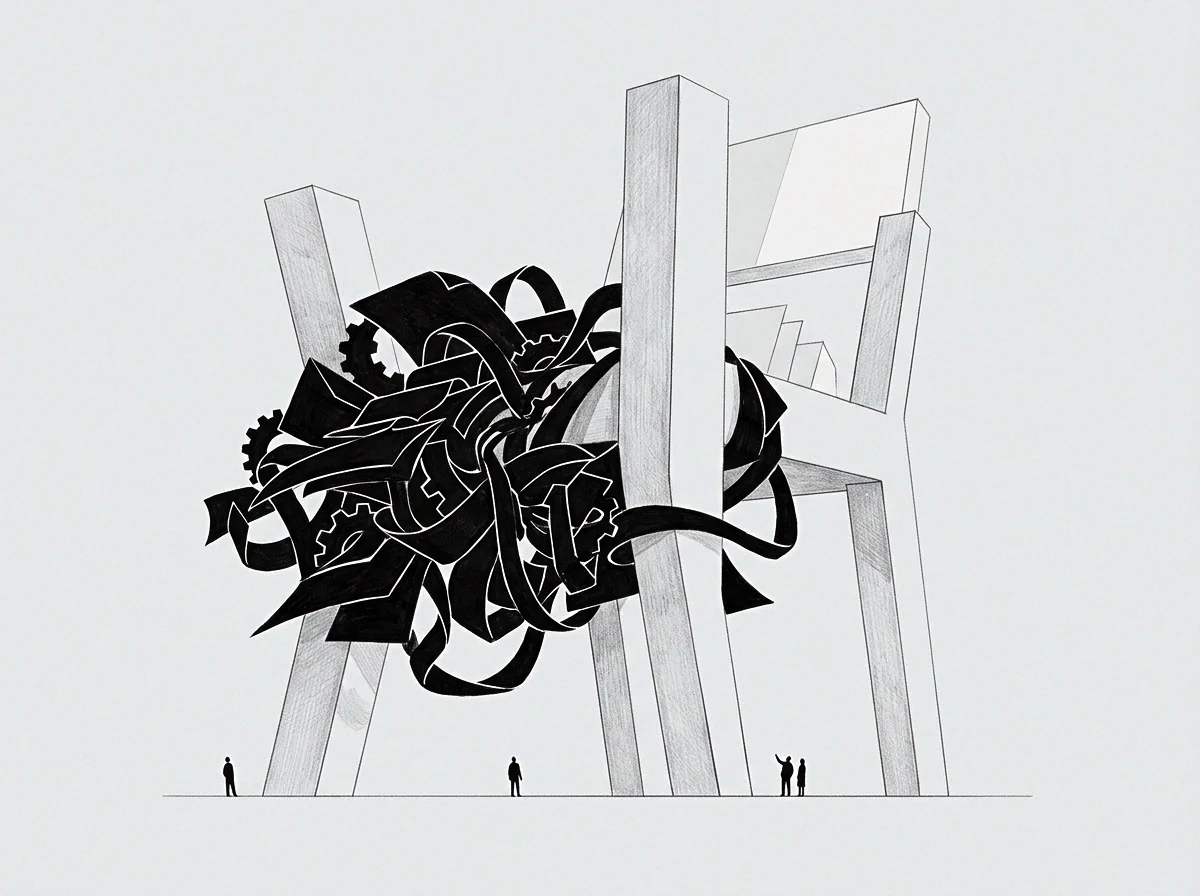
Abstract formulation of an commercial product, service model or operational mechanism prior to its functional execution and validation. An early concept provides the speculative blueprint from which partners initiate preliminary design, resource allocation and commercial negotiation. Its validity remains entirely unproven until real customer transactions, working code or physical delivery confirm that the underlying assumptions function under genuine commercial load.
Valuation Baseline
Initial commercial conversations frequently overprice theoretical designs because founders mistake the elegance of an idea for completed technical labor. A raw concept requires substantial downstream execution, capital investment, testing and distribution before it yields economic value. Compensating an originator purely on speculative promise creates severe equity distortion between those who design and those who build.
Delivery Divergence
Tensions escalate when the operational difficulty of translating sketches into reliable software or physical products becomes visible to the entire team. Founders who hold only the conceptual blueprint often demand sovereign authority over the subsequent production steps without bearing the daily labor of implementation. This divergence forces commercial agreements to separate early conceptual contributions from ongoing operational control.
Settlement Limit
Economic rights attached to pure ideation expire at the boundary where repeatable delivery begins. Once the initial model is reduced to working practice, the ongoing commercial value belongs to the maintenance and distribution seats. The originating concept ceases to generate new claims on operational revenue once execution becomes the primary constraint.