Meaning
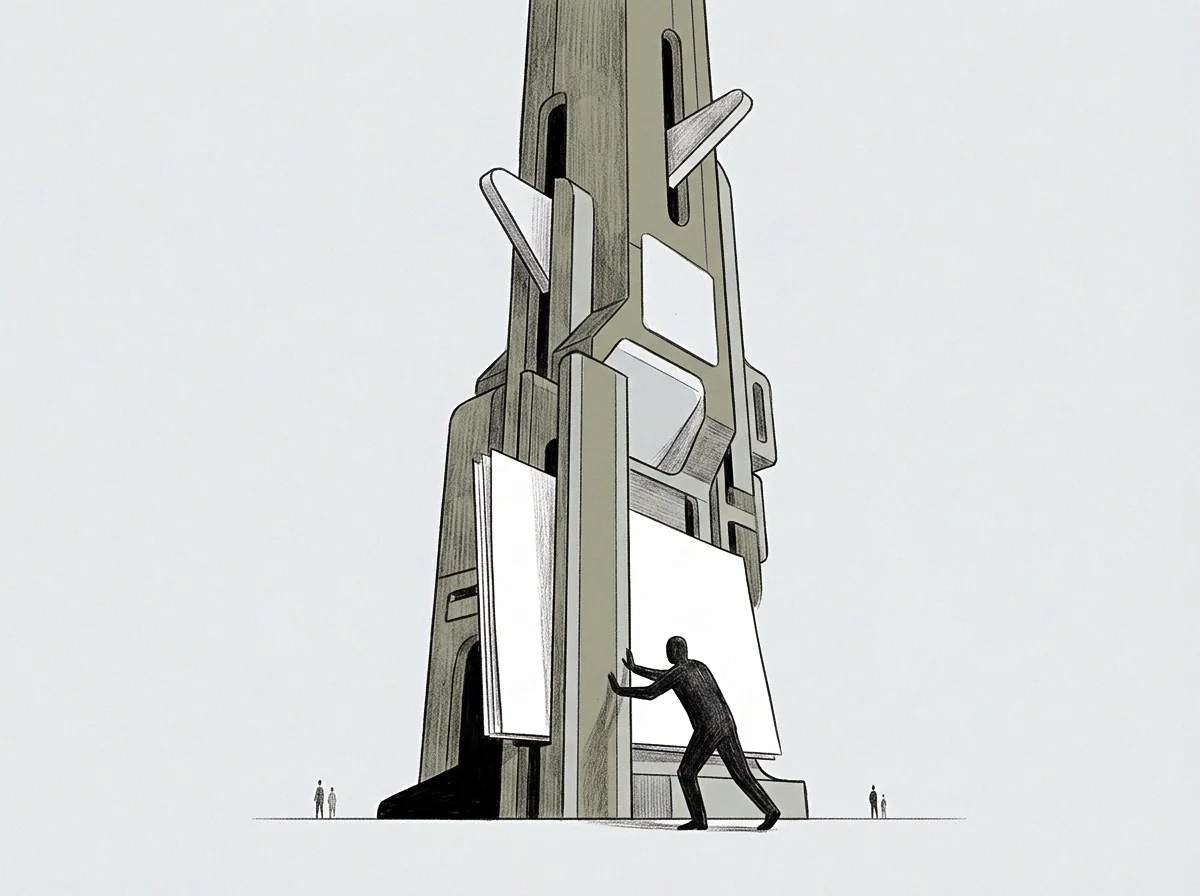
A vector that indicates the overall movement of an effort, often influenced by unquantified elements. This term describes the general path or aim of work, distinct from specific tasks or short-term objectives. It governs the cumulative effect of choices and actions on the long-term trajectory of a founder’s work.
Its application stops at the point where a path is merely described without considering its underlying forces.
Vector Composition
The overall course of an undertaking is shaped by the combined force of its many inputs. This includes the explicit objectives and measurable resources, alongside the less visible energy, attention, and capacity that a person invests. When these uncounted components carry significant weight, they can alter the actual path of work, regardless of stated intentions.
An accurate read of direction requires an assessment of all contributing forces, not just the easily quantifiable ones.
Uncounted Influence
Costs that do not enter a formal ledger still exert force on the progress of work. These hidden elements, such as personal time, emotional labor, or deferred opportunities, form part of a vector that guides a founder’s decisions. When these influences remain unmeasured, the perceived direction can diverge from the actual course of activity.
Failing to account for such forces leads to a misjudgment of the true progress and strain on the operator.
Steering Mechanism
The deployment of a founder’s capacity is ultimately guided by the perceived trajectory of their work. Misinterpreting the overall movement, especially by focusing solely on countable outputs, can lead to misallocated effort. If the actual direction is heavily influenced by unmeasured sacrifices, the founder may continue down a path that is unsustainable or not aligned with their deeper aims.
Understanding the comprehensive vector allows for precise adjustments to the allocation of resources and attention.