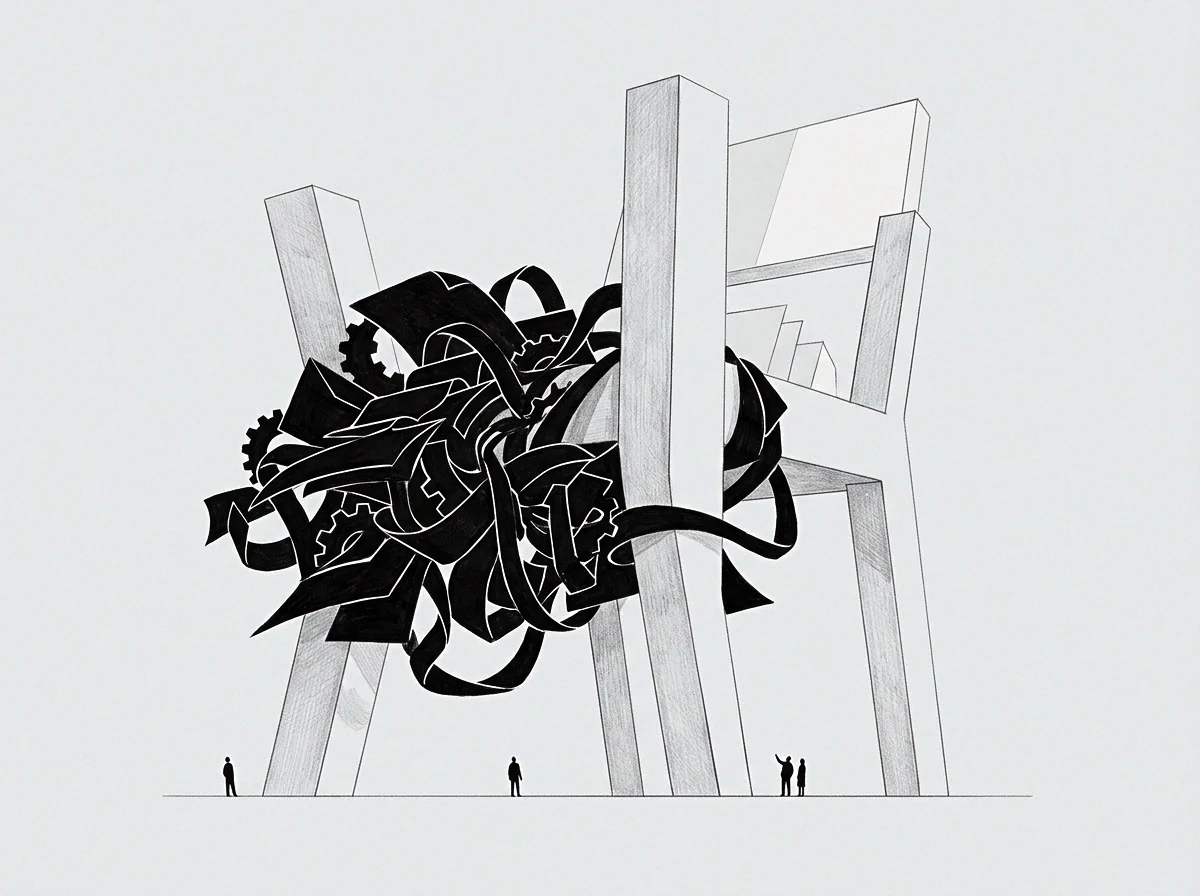
Meaning
Structural base of verified technical capability, legally enforceable title and capital allocation that supports an ongoing commercial enterprise. A solid foundation ensures that an operator possesses the actual legal authority, financial liquidity and technical competence required to deliver on commercial promises. It defines the stable core from which real commercial commitments are made, bounded and executed over long operating horizons.
Grounded Authority
Operational legitimacy flows from this underlying bedrock of demonstrated output rather than rhetorical presentation or speculative posturing. When a founder builds upon genuine operational capacity, technical decisions withstand external scrutiny and sudden market shifts. Stability in the underlying assets eliminates the constant necessity to defend personal status in commercial negotiations.
Capital Alignment
Resource allocation becomes predictable when economic distributions reflect the real contributions made to the commercial structure. Financial terms sized to genuine operational support protect the venture from sudden liquidity crises and bitter equity disputes. The arrangement survives personnel transitions because the operating mechanics rest on enforceable legal contracts rather than personal loyalties.
Boundary Condition
The baseline ceases to provide stability when legal documentation contradicts daily operational practices or when technical debt compromises production systems. A venture with impressive legal incorporation but nonexistent technical output possesses no durable commercial reality. Durability lasts only as long as the foundation accurately reflects active operational truth.