Meaning
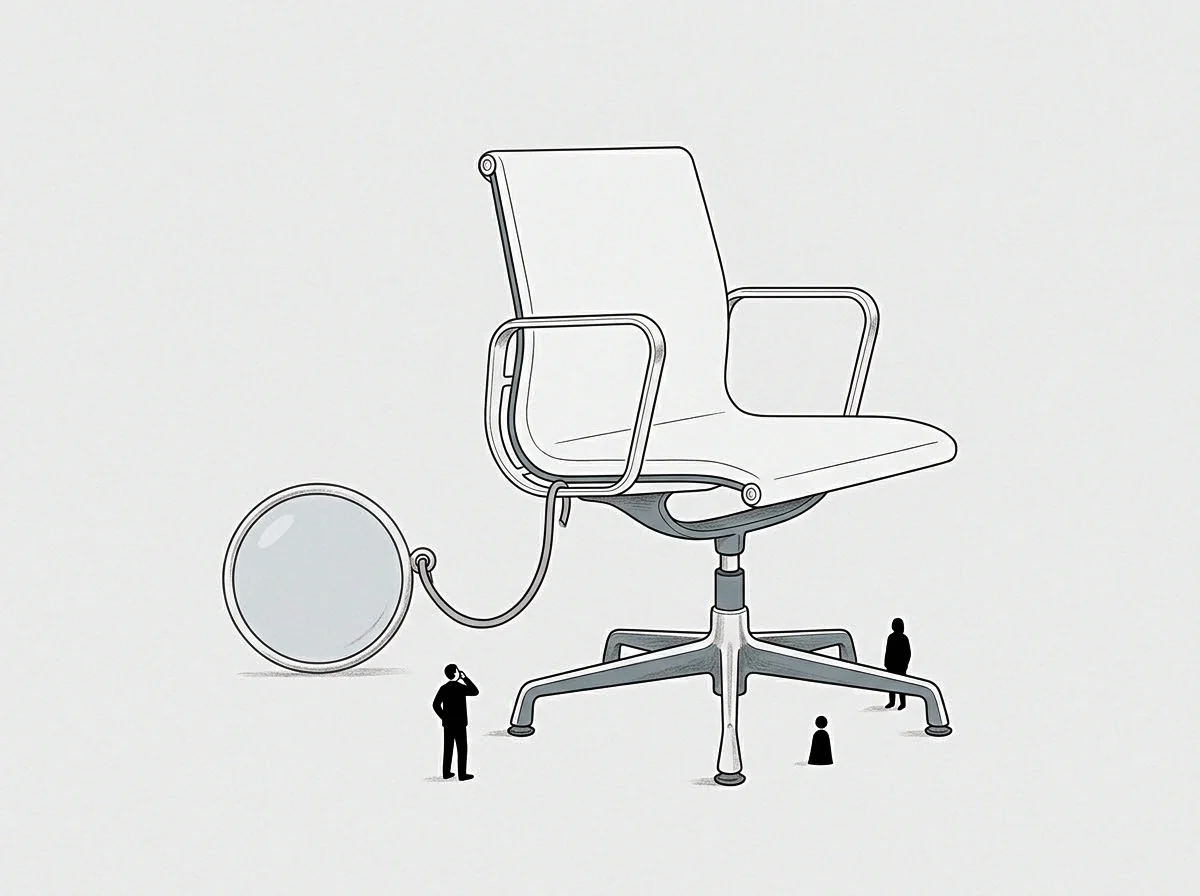
A load-bearing relationship is an arrangement where one person provides critical, non-redundant support that significantly contributes to another person’s capacity to function effectively and consistently over time. This type of relationship carries a substantial portion of a founder’s functional, psychological, or operational load, often without explicit acknowledgement of its full extent. The absence or failure of such an arrangement creates a significant structural instability for the individual, as the burden it once carried has no alternative channel for distribution.
Structural Dependency
This describes the inherent reliance of one person on a specific counterparty for essential support that is not easily replicated or replaced by other arrangements in their life or work. The individual’s ability to maintain their work output, emotional equilibrium, or consistent decision-making capacity is directly supported by the consistent presence, unique contribution, and reliable availability of the other person. This dependency means that any reduction in the counterparty’s capacity, availability, or presence immediately impacts the founder’s operational effectiveness, personal resilience, and ability to sustain effort.
Hidden Cost
The cost associated with a load-bearing relationship often remains unacknowledged and unpriced until the relationship experiences strain or failure, or the support is withdrawn without a replacement. This hidden cost represents the energy, hours, and mental capacity that the founder would otherwise need to expend if the support were not consistently present, effectively externalizing a portion of their operating expense. When the relationship weakens or ends, these implicit costs surface, requiring the founder to absorb a previously distributed load, often leading to overwhelm, burnout, and a measurable reduction in output or strategic focus.
Failure Mechanism
The failure of a load-bearing relationship operates as a single point of failure within a person’s broader support system, creating a critical vulnerability. When this crucial arrangement breaks down, the specific load it was carrying has no immediate alternative distribution channel, leading to a sudden and substantial increase in the founder’s personal burden and a disruption of their equilibrium. This mechanism can result in a cascade of difficulties, affecting multiple areas of work and personal capacity, simply because one critical support pillar that held up a significant portion of the founder’s functioning was removed without warning or preparation.