Meaning
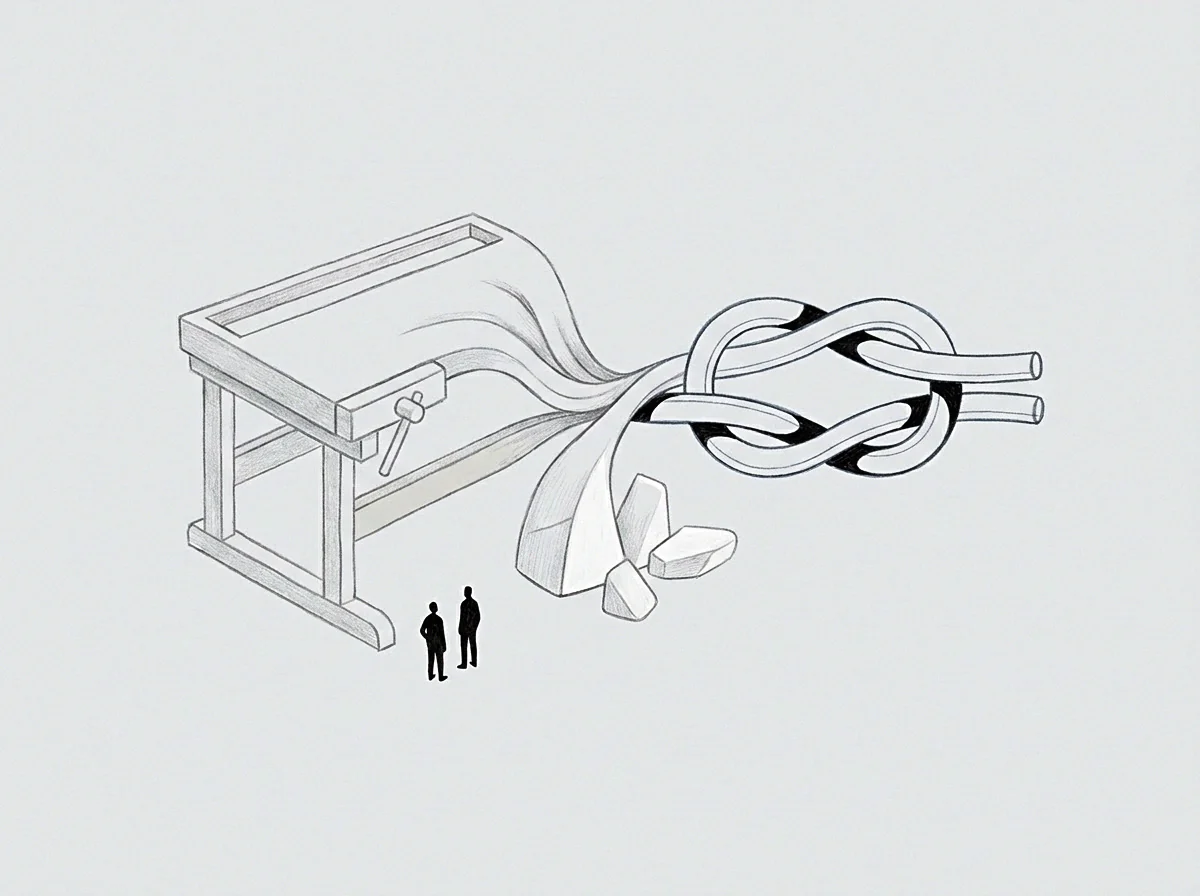
A cognitive monitoring perspective occupies the mental space from which an operator observes their own performance and reactions. This detached surveillance, termed the Over-Eye, allows a founder to track their behavioral alignment with operational standards in real time. It represents a split within the self where one part executes the work and the other part watches the execution.
The presence of this observer ensures high precision but increases the mental load carried by the individual.
Surveillance Station
The monitoring function operates as an internal regulator that measures the discrepancy between action and expectation. In high-pressure roles, the Over-Eye becomes hyper-vigilant, constantly scanning for mistakes or signs of weakness. This continuous scanning creates a feeling of being watched by an demanding critic, even when alone.
Internal Friction
Continuous feedback arises from the division between the actor and the observer. When the Over-Eye detects a deviation from the reference value, it triggers a corrective effort that can feel like self-punishment. This friction wears down the operator’s capacity, making even simple tasks feel like public performances.
Operational Guard
Deactivating this monitoring mechanism is a primary challenge after stepping down from a leadership seat. The individual must learn to act without the constant oversight of the internal monitor. This shift allows the action to flow naturally, reducing the attention cost and restoring a sense of ease to daily life.