Meaning
Defensive behavioral adjustment in high stress environments involves prioritizing one’s own health, resources, and capacity over the demands of the business or the expectations of partners. When practicing self-preservation, the founder sets hard limits on availability and refuses to work beyond personal capacity. This shift is often a reaction to a near-collapse or a severe case of burnout.
It marks the transition from an unsustainable model of martyrdom to a professional posture that can endure over many years.
Boundary Setting
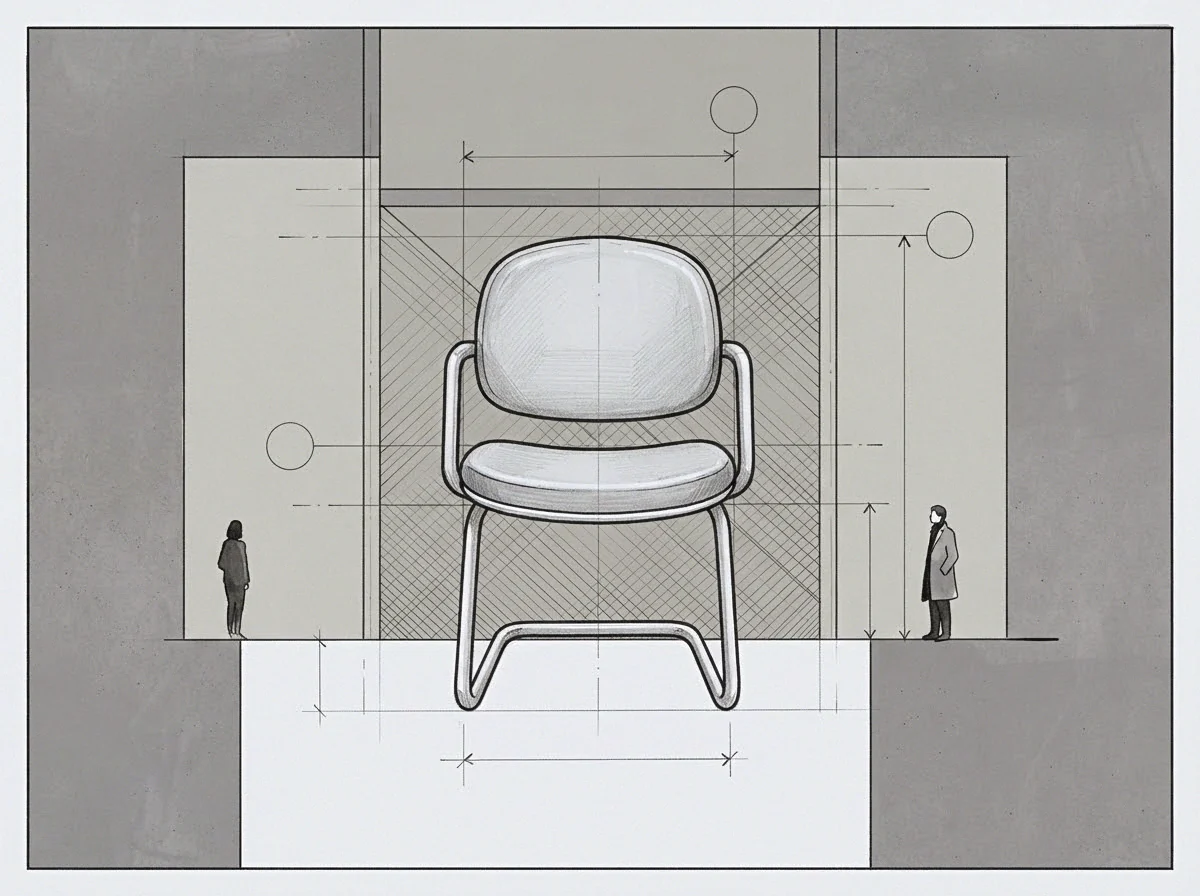
Drawing clear lines between the seat and the person is the primary action here. The operator stops answering messages late at night and refuses to accept unviable workloads. This protection of attention is necessary to maintain long-term capacity.
Partner Resistance
When a builder suddenly begins to protect personal capacity, counterparts often react with frustration. They have grown used to the builder’s constant accommodation and view the new limits as a decline in commitment. This friction requires the operator to stand firm in these decisions despite the guilt that others try to project.
Over time, partners either adjust to the new terms or the relationship is dissolved.
Resource Retention
The consequence of this defensive posture is the preservation of the individual’s mental and physical assets. This retention keeps enough energy in reserve to handle unexpected crises without a collapse. Maintaining a sustainable pace ensures the builder can stay in the game rather than exiting prematurely.