Meaning
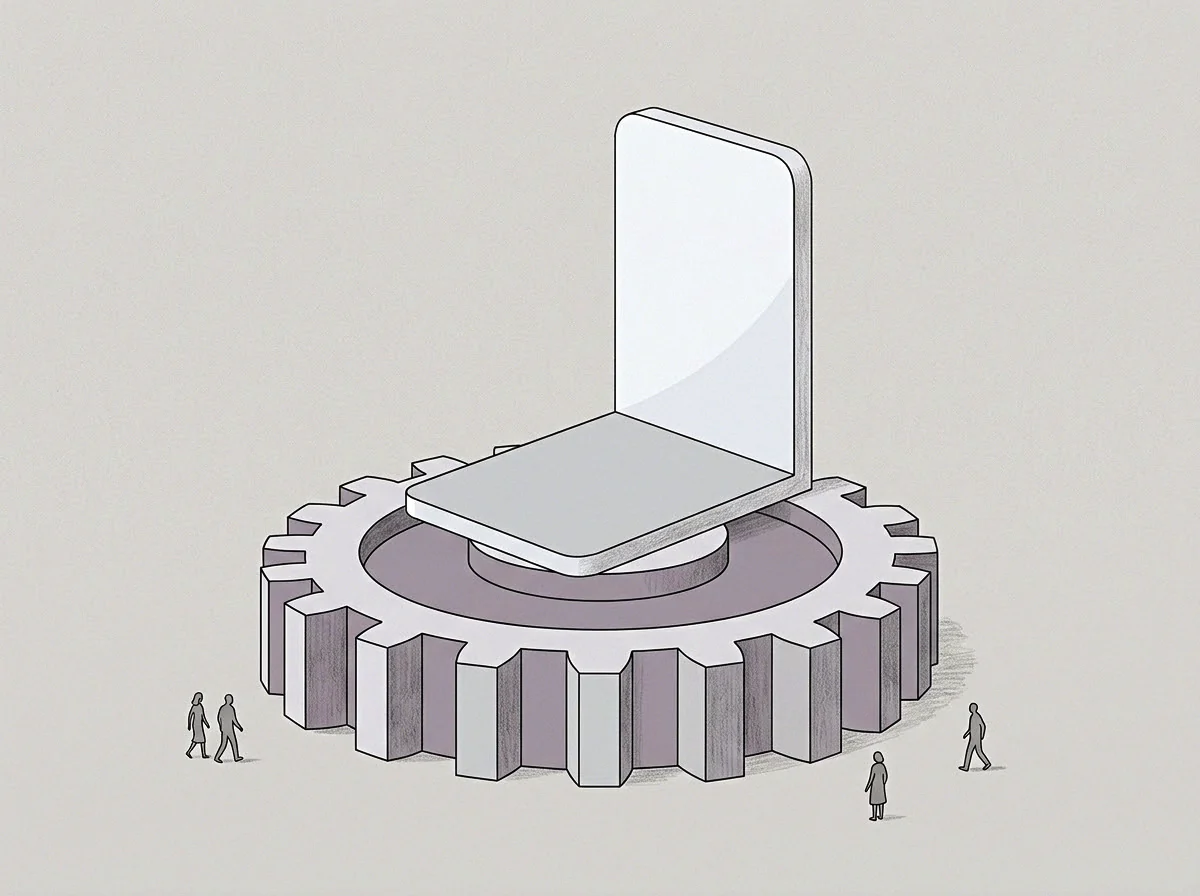
Legal or structural vehicle designed to hold an economic interest without performing any active work or operations. A shell entity serves as a wrapper for a portion of the arrangement’s value, protecting the owner from direct liability or cost. It is a seat that is held but never worn by a physical person in the room.
Wrapper Function
Role of a structure in shielding the underlying assets and interests from the friction of the daily exchange. By using a shell entity, a person can participate in the revenue of an arrangement without being required to provide any capacity or energy to the engine. This separation of interest and effort is a common feature of complex builds.
Interest Shield
Mechanism that prevents the load of the work from reaching the person who actually owns the rights to the profit. The shell entity acts as a barrier, ensuring that the regulator only sees the structure and not the individual behind it. This shield makes it cheaper for the owner to hold their position in the arrangement over the long term.
Passive Seat
Condition where a part of the authority and the revenue of the room is allocated to a non-operating partner. While the shell entity is a member of the arrangement on paper, it does not contribute to the steady state or the regulation of the other participants. This passivity can create an imbalance in the room if the active partners feel they are carrying the entire load for the benefit of an absent owner.