Meaning
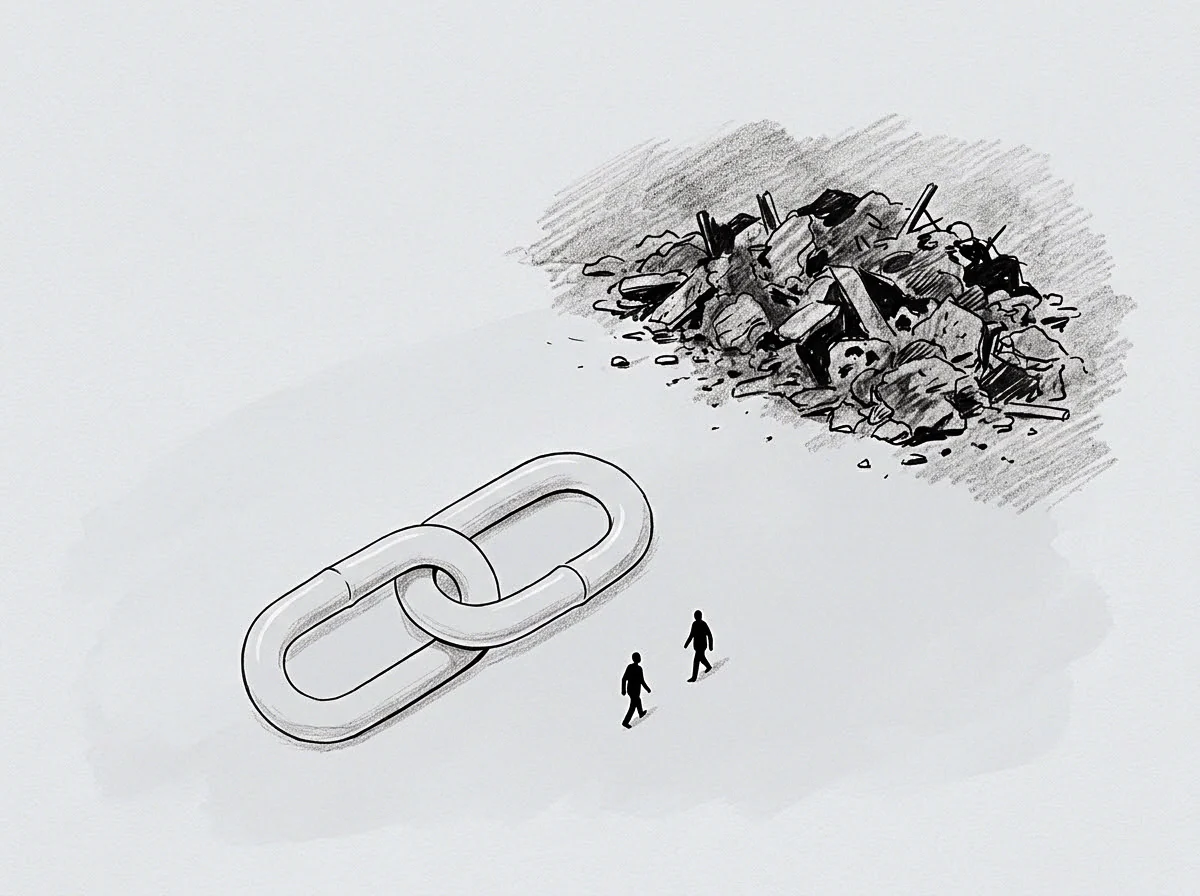
Adding a distinct participant or point of reference to a two-sided relationship creates a more stable, objective, and resilient system. This third corner can be a person, such as an independent director or mediator, or a shared document, such as a formal shareholder agreement.
Conflict Resolution
In a simple two-person partnership, any disagreement can lead to a deadlock because there is no mechanism to break a tie or resolve a dispute neutrally. By introducing a third element, the partners can defer to an objective authority or process that is less influenced by personal feelings. This neutral element can absorb the emotional tension between the original partners, allowing them to focus on the work rather than on defending their positions.
Governance Design
Designers of corporate structures often build in these elements to protect the organization from being paralyzed by founder disputes. This can involve appointing an independent chairperson to the board of directors or setting up a clear arbitration process for resolving major disagreements. These structures provide a predictable, rule-based path for decision-making when the relationship between the founders breaks down, ensuring the venture survives.
Relational Anchor
Beyond formal governance, a shared vision or a clear set of company values can also serve this stabilizing role. When both partners are committed to the same long-term goals, they can evaluate their disagreements against this shared standard rather than their personal preferences.