Meaning
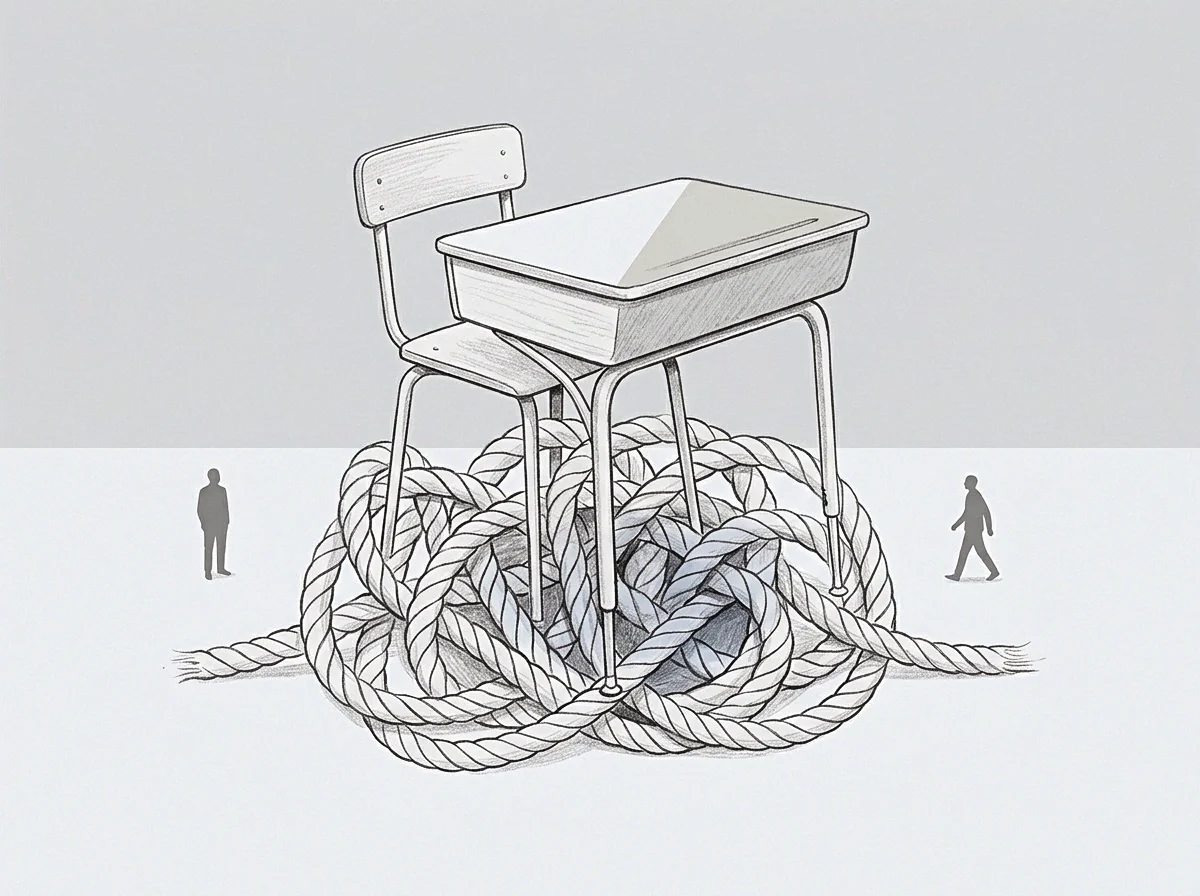
Structural configuration of informational and operational dependencies defines how tasks are organized and how difficulty moves within a working system. During the transition of authority from a founder to a subsequent operator, this topology determines whether the successor can inherit the work or if the original builder remains bound to daily decisions through undocumented connections. When the configuration is poorly mapped, the new operator cannot navigate the unwritten rules of the seat, causing the system to stall.
This layout is defined by the actual paths of decision-making rather than the formal chart of roles.
Transmission Path
Transferring the load of complex work requires a clear channel where the underlying friction can be felt and absorbed by the person in the seat. An operator who has spent years in the role develops an intuitive topology of unrecorded shortcuts and personal relationships that are invisible to an outsider. When this topology is left unrecorded, the transfer of responsibility fails because the description of the work does not match the live experience of doing it.
The new operator holds the formal instructions but lacks the pathways to resolve unexpected problems. To execute a successful handover, the departing founder must expose these invisible paths by co-operating the system until the successor has felt the weight of the work. This shared experience creates the necessary context for the new holder of the seat to manage the system independently.
Boundary Friction
Operational handovers often expose the gap between a written process and the hard reality of execution. In the transition period, the incoming operator meets resistance where the formal rules of the topology collide with the personal preferences of long-term clients or team members. These human frictions are not captured in manuals.
If the topology is rigid, the system breaks under the new style of management because the unwritten contracts that held it together are violated. An operator must therefore adapt the system to their own strengths. By adjusting the boundaries of each task, the new leader reduces the energy cost of daily operations.
Structural Burden
The weight of undocumented dependencies generates a high ongoing cost in attention and decision capacity. When a founder refuses to reorganize this topology, the business remains trapped in a state of dependency on a single individual. The cost of this reliance is measured in the hours spent by the operator resolving disputes and answering basic questions that should be self-evident.
Resolving this issue requires a deliberate simplification of the system. A simpler configuration allows the business to scale without demanding more energy from the people running it.