Meaning
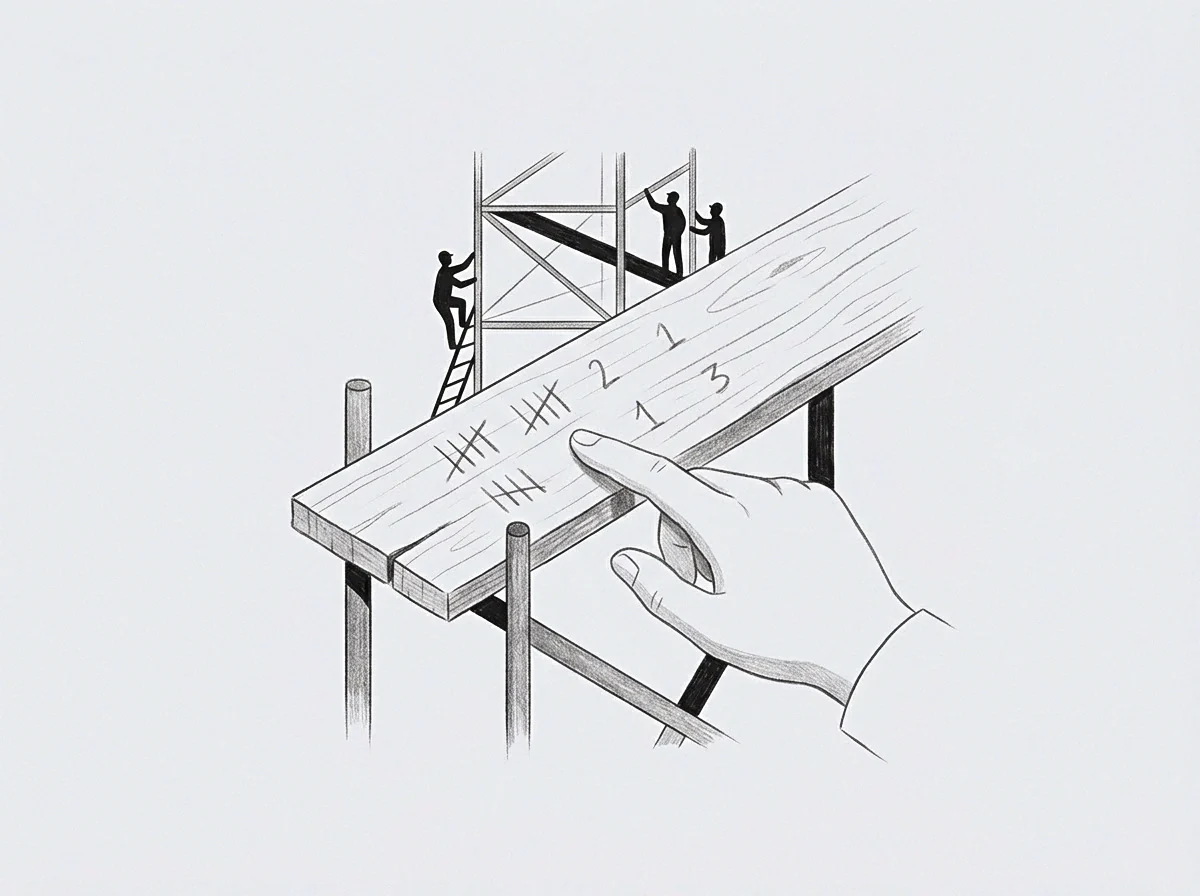
A functional baseline defines an unchanging level of contribution or concession that exists within an ongoing commercial agreement without explicit renegotiation. Partners often fail to value this steady-state contribution until a disruption occurs, treating the unmovable position as a natural condition of the arrangement. This static state governs the distribution of administrative weight or financial discount within a partnership, remaining active until a formal declaration shifts the burden back to the other participants.
Silent Subsidy
Counterparties routinely absorb the benefits of a long-term concession without allocating resources to compensate the person who maintains it. Over time, an unmovable position ceases to appear as a voluntary effort, transforming instead into a baseline expectation that the receiving party assumes is permanent. This transition shifts the perception of the arrangement from an active exchange to a natural resource.
An operator carries the compounding weight of this arrangement silently, generating a hidden deficit in energy and attention that grows more severe as market conditions shift. The resulting deficit remains invisible until the system faces an external shock, such as a sudden drop in revenue or an unexpected surge in demand. At that moment, the silent subsidy becomes unsustainable, forcing the operator to choose between personal exhaustion and a sudden, disruptive renegotiation of the original terms.
Disruption Threshold
Explicit communication provides the only mechanism to expose the true cost of an unchanging arrangement. When the founder finally speaks to define the limit of their concession, the sudden announcement converts the unmovable position into a sharp point of friction. Partners frequently react to this declaration with surprise because they had structured their own budgets around the assumption of perpetual stability.
This initial friction represents a necessary cost of resetting the terms of the agreement.
Structural Cost
Prolonged stability in a founder’s role often produces a severe drain on personal capacity and professional agility. Because the unmovable position prevents the redistribution of administrative tasks, the individual remains locked in tactical work that blocks their movement to other activities. This immobility accumulates daily in lost momentum and missed opportunities.
The resolution of an unmovable position forces a renegotiation of roles that redistributes the load across the entire partnership.