Meaning
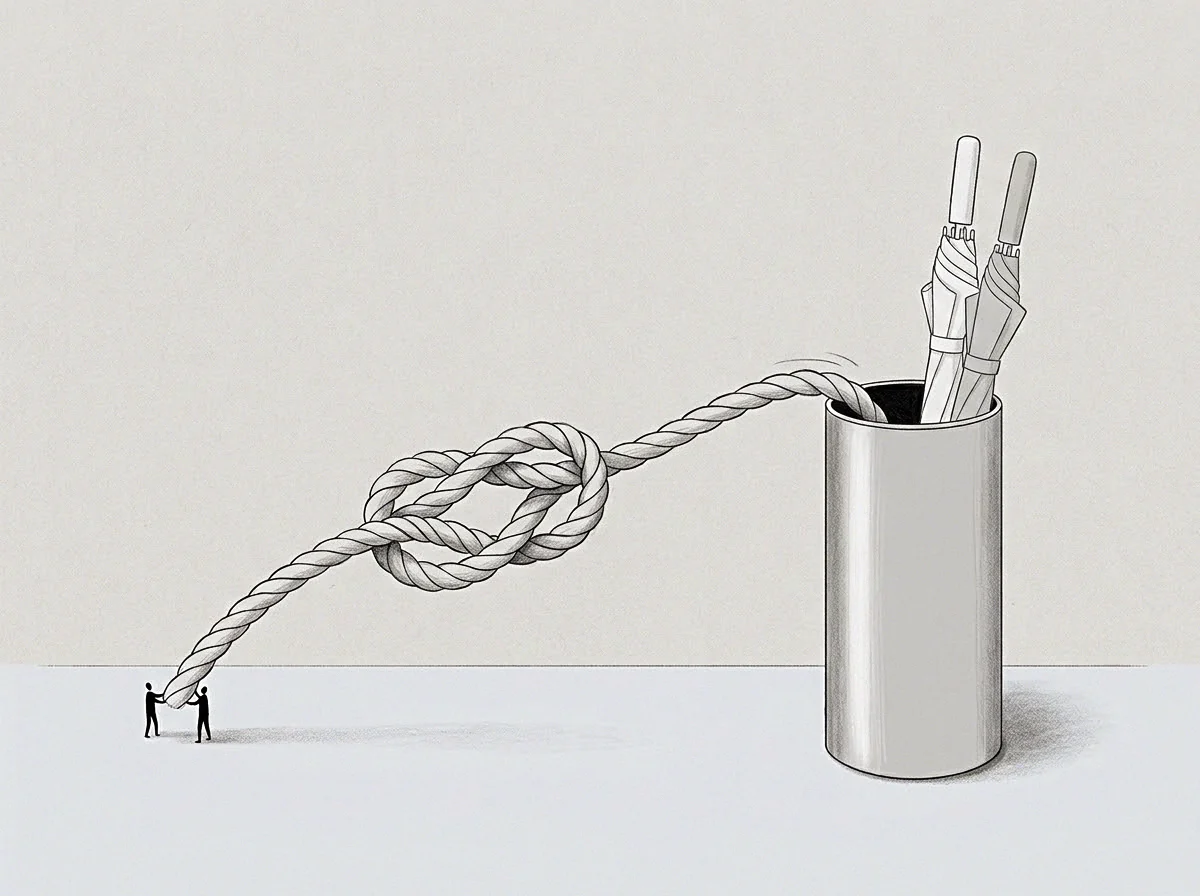
Unfilled position of executive, technical, or supervisory responsibility leaves critical operational functions unperformed. A vacant seat disrupts organizational balance by removing the dedicated authority required to price work, enforce accountability, and establish strategic boundaries. It governs the capacity gap between nominal organizational structure and actual day-to-day execution.
The term ceases to apply the moment a qualified person formally occupies the post, assumes the full burden of its duties, and begins exercising documented authority.
Governance Gap
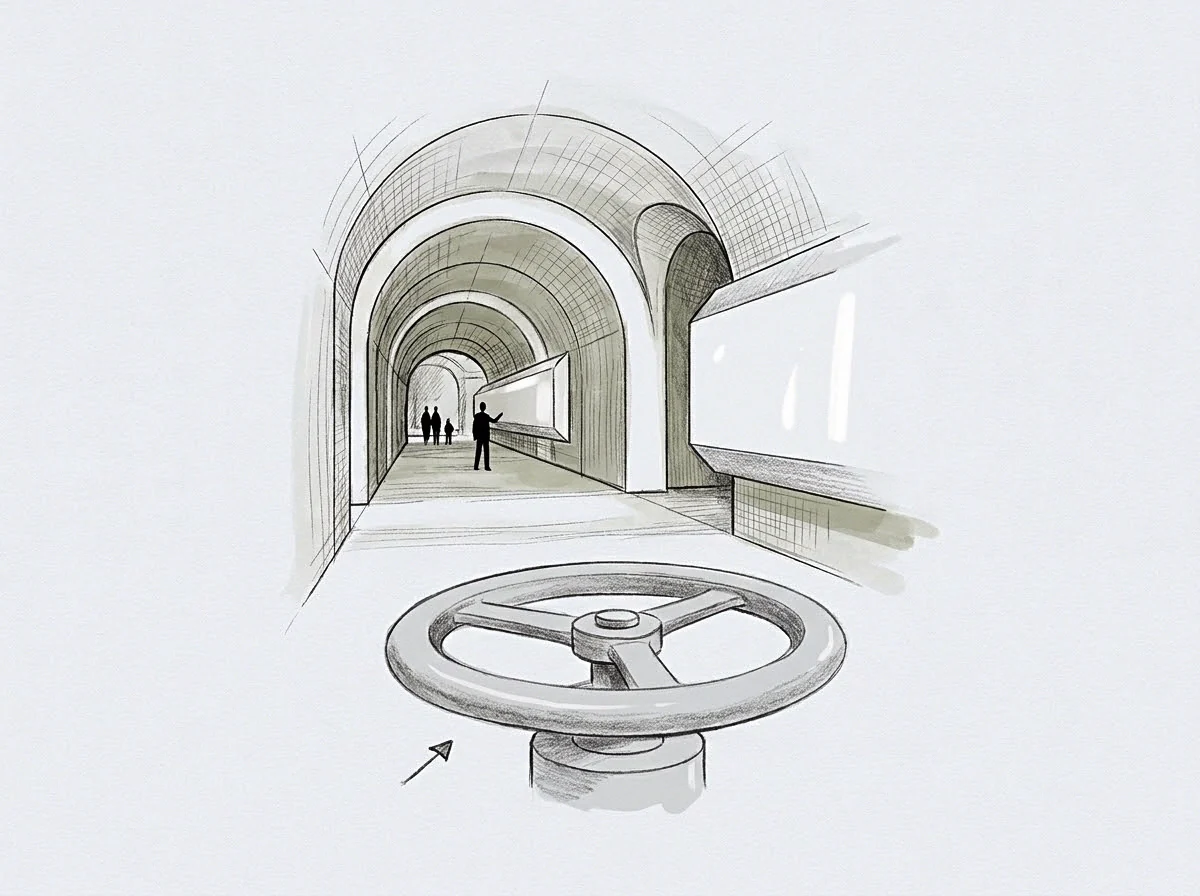
When an executive or supervisory post remains unoccupied, foundational decisions are deferred or fall by default onto operational staff. The existence of a vacant seat forces technical operators to shoulder commercial negotiations and administrative overhead for which they may lack time or aptitude. This structural vacuum leaves the enterprise without coherent direction, as immediate production crises constantly displace long-range planning.
Without an active principal to establish terms, internal standards erode under daily operational pressure.
Operator Isolation
Solitary operators laboring beneath an unoccupied oversight role carry full operational stress without structural support. When a vacant seat should provide pricing discipline and boundary enforcement, the isolated worker must negotiate against external clients without institutional backing. This isolation makes it difficult to defend rate cards, reject scope creep, or demand timely payments from aggressive counterparties.
The operator absorbs all operational friction directly into personal capacity.
Structural Recovery
Restoring functional health to a stalled enterprise requires properly staffing or formally eliminating unoccupied roles. Leaving a vacant seat open indefinitely creates a false sense of potential while draining active resources through administrative confusion. The organization must define exact responsibilities, assign clear decision rights, and place an accountable person in the chair.
True operational stability returns only when every governing seat corresponds to an active practitioner.