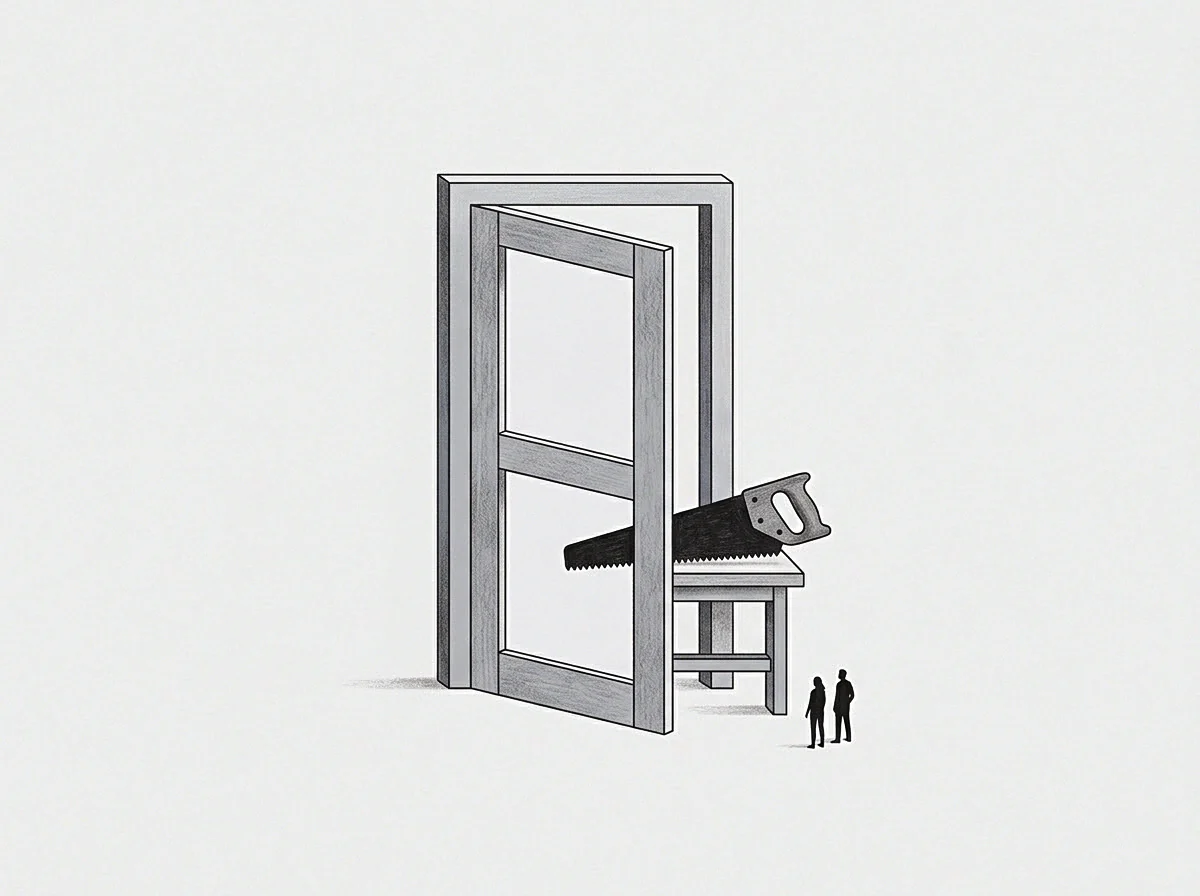
Meaning
A distinct posture in bilateral agreements distributes the labor of formulation to one party while reserving the right of appraisal for the other. An individual who holds the evaluating seat avoids the risk of early concession by forcing the counterparty to submit the first concrete numbers. This arrangement governs the flow of drafts during founder departures or investment structuring.
It ceases when drafts stop.
Negotiation Dynamic
The party who drafts the contract exposes priorities and boundaries first. This exposure creates an immediate disadvantage, as the observer in the evaluating seat can systematically dismantle each point without offering alternative concessions, thereby forcing the proposer to negotiate against its own interests by offering progressively better terms in a desperate bid for approval. Silence becomes leverage.
Positional Advantage
Securing this posture requires a deliberate refusal to initiate written proposals. Founders can resist the pressure to draft by asking open-ended questions that force the other party to commit to paper first. By maintaining the evaluating seat, partners preserve decision-making energy and avoid the exhaustion that comes from repeated rejection, ensuring they remain fresh for critical turning points.
This conservation of capacity allows them to make clearer choices when the final draft is presented. It keeps the pressure on the author.
Transition Cost
Relinquishing the passive role is often the only way to break a deadlocked discussion. When founders decide to move out of the evaluating seat and begin to generate proposals, they assume the administrative burden but regain control over the direction of the deal. They trade position for speed.