Meaning
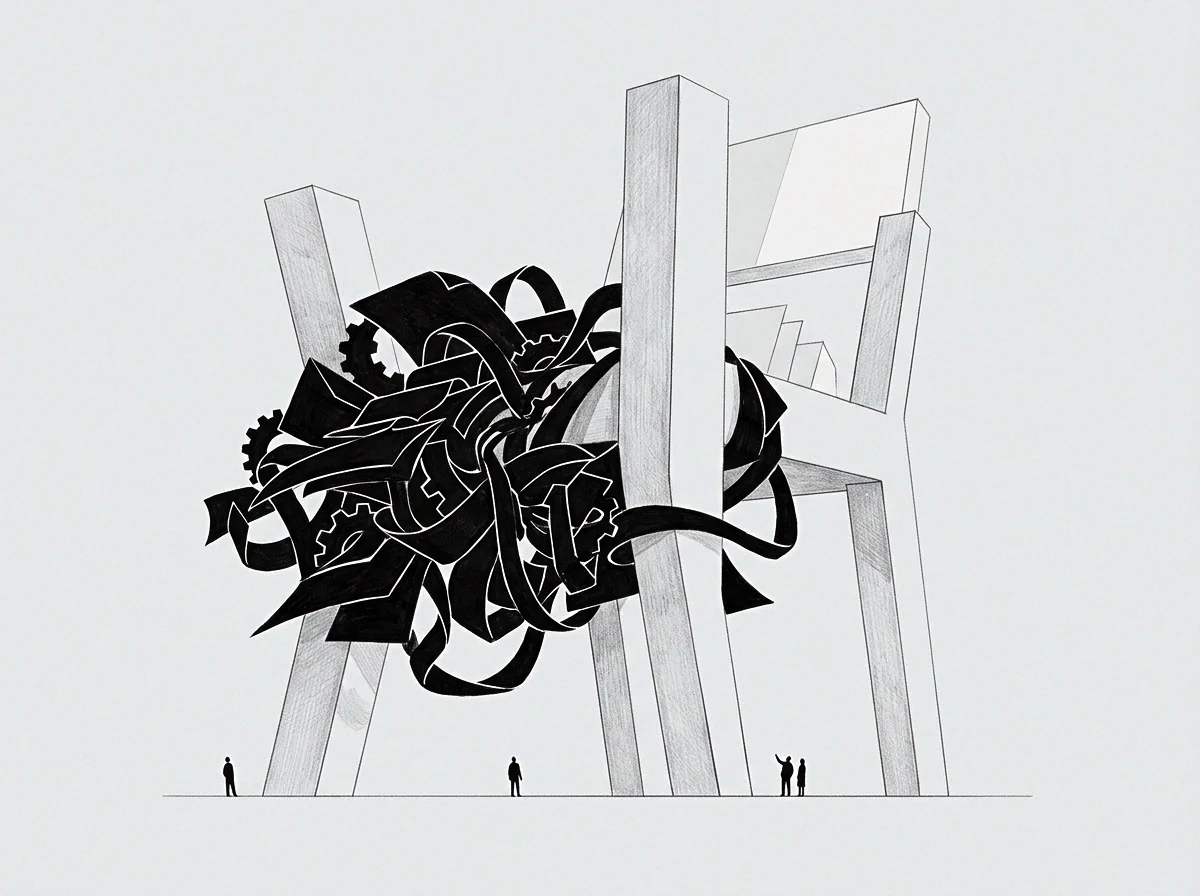
Operational phase where theoretical models, system architectures and commercial promises are converted into functional software, physical assets and repeatable services. Solid implementation requires the rigorous application of technical labor, domain knowledge and operational discipline under genuine market conditions. It constitutes the primary filter through which speculative designs are forced to survive the physical constraints of production, delivery and user adoption.
Delivery Reality
Engineering labor reveals every unstated assumption, structural flaw and logistical bottleneck present in the original conceptual design. While abstract planning appears effortless on whiteboards, the daily grind of writing code and resolving edge cases consumes the vast majority of resources. Those who execute the build carry the direct load of transforming ambition into economic reality.
Labor Split
Severe commercial tensions erupt when partners who contribute only early concepts demand equal split with those who shoulder the long implementation. The bulk of financial value accumulates during the execution stage, where technical reliability and system stability are systematically established. Aligning equity and compensation to execution effort prevents toxic resentment between thinkers and builders.
Verification Standard
The process concludes only when the constructed system operates stably under production loads without requiring continuous intervention from the original architects. Code that functions only in development environments or services that collapse under volume fail the core test of execution. Completed implementation establishes the sole legitimate baseline for ongoing operational valuation.