Meaning
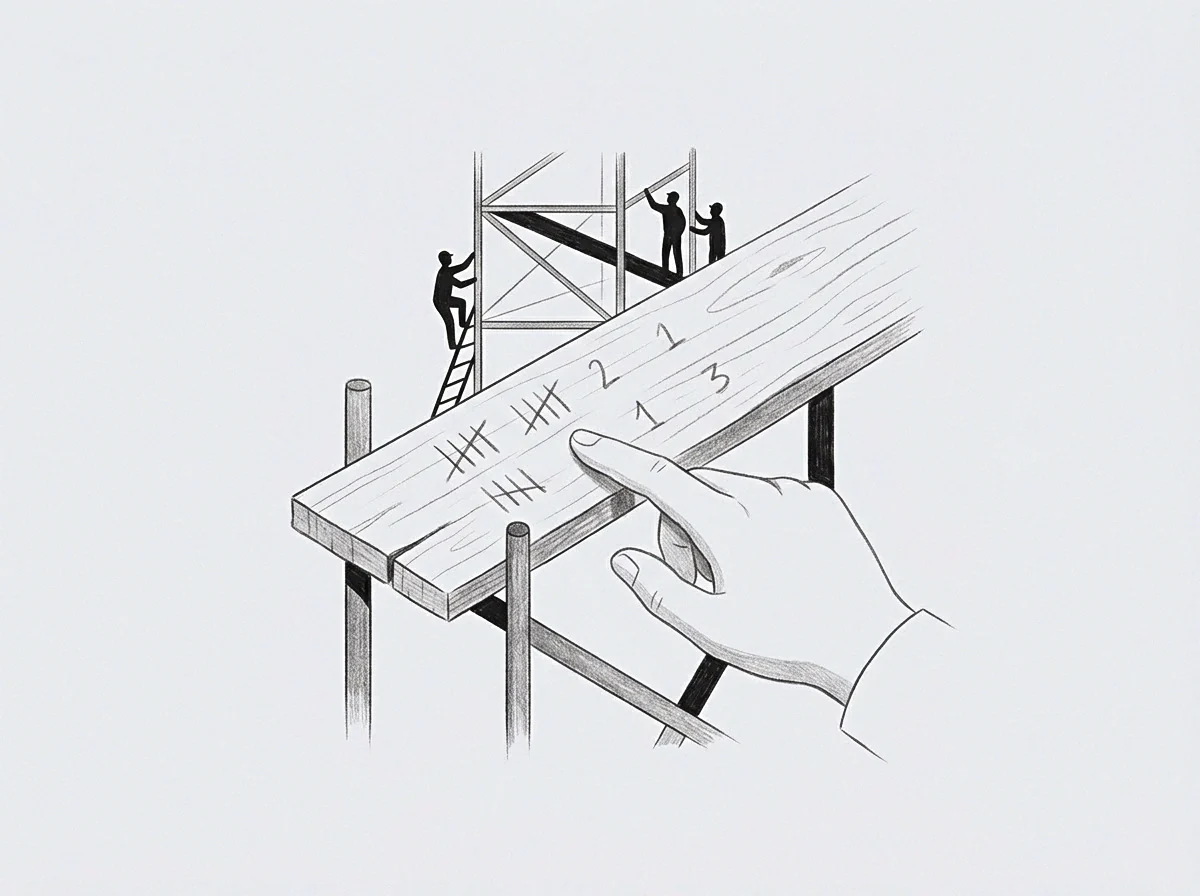
An operating condition wherein a primary actor absorbs recurring fluctuations in labor or capital demands without transferring the cost to counterparties. In the years following a founding transition, steadiness functions as an invisible baseline that converts active effort into an assumed background feature of the commercial environment. The state governs how surrounding partners price risk and negotiate commitments.
It stops applying once variance is explicitly passed through to counterparties or recorded as a distinct line item.
Absorbed Variance
Unpriced effort transferred into routine work creates the illusion of an effortless baseline. When an operator routinely buffers delays or absorbs excess labor hours, this steadiness prevents internal friction from registering on external monitors. Counterparties form performance expectations based on observed continuity while ignoring the underlying expenditure required to sustain delivery.
As a consequence, the capacity spent maintaining the baseline remains uncounted in formal valuations.
Environmental Baseline
Routine suppression of workflow volatility alters how risk is calculated across adjacent roles. Because team members and clients experience steadiness as a static property of the arrangement, they treat non-disruptive delivery as an invariant rule. This framing removes the incentive for counterparties to build their own buffers against delay or deficit.
The boundary of this condition appears when external shocks exceed the operator’s personal capacity to absorb them, forcing latent costs to surface.
Variable Conversion
Explicit declaration of absorbed costs converts an underlying environmental assumption into an active variable. A single formal statement acknowledging that continuous buffer supply is contingent alters the structural agreement, ending the unstated steadiness that previously masked internal friction. When the person in the seat ceases to absorb unexpected shifts in volume or timeline, the sudden exposure of underlying volatility forces counterparties to adjust their own working margins or absorb the cost directly.
The shift replaces passive accommodation with explicit negotiation. This conversion of steadiness from an unstated environmental condition into a negotiable variable reestablishes the true boundary of working capacity within the arrangement.