Meaning
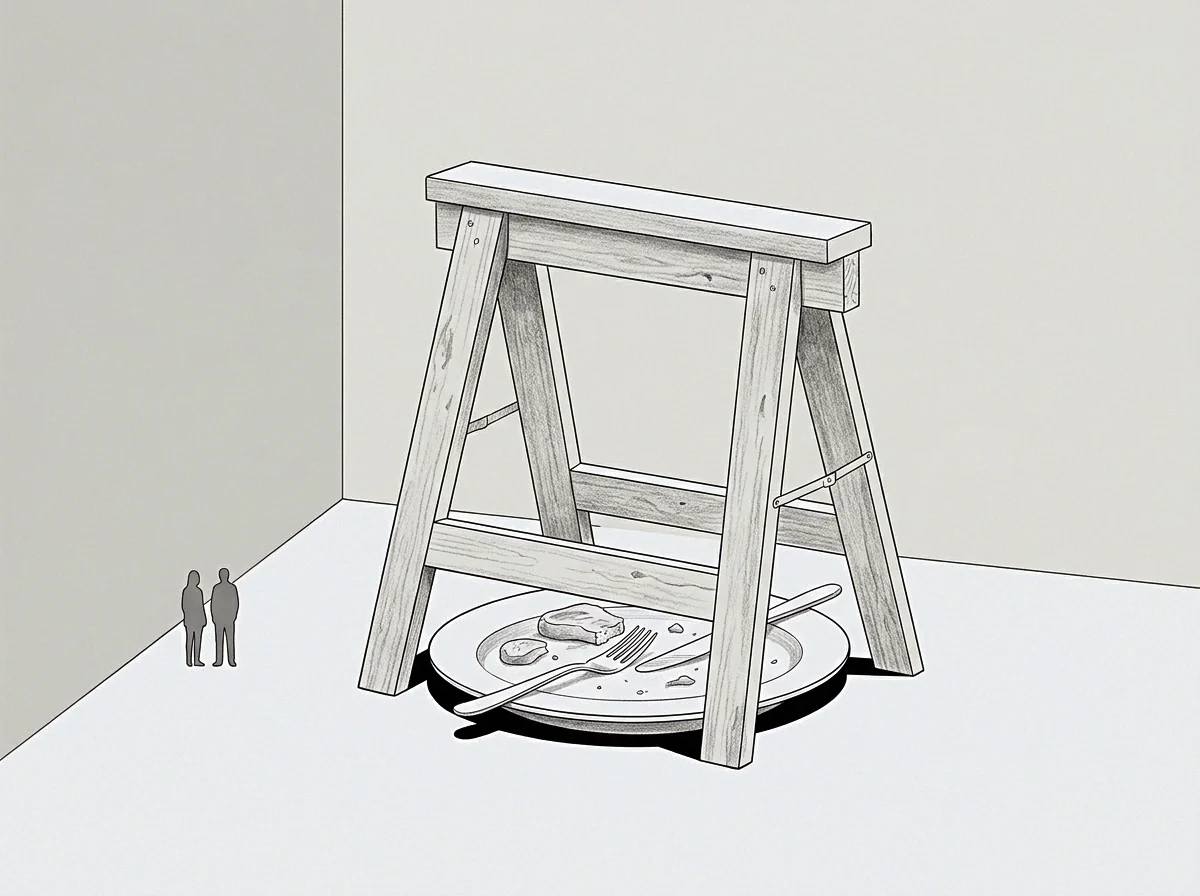
A deliberate cessation of all productive output until a specific condition is met by a counterparty halts the expenditure of energy. Implementing a freeze ensures that the resources required to sustain a project are not spent while the terms of the arrangement remain unsettled. It marks the point where the founder stops carrying the load for a person who has not yet signed the agreement.
Holding Mechanism
The refusal to continue work acts as a physical barrier against the erosion of value. When a freeze is active, the operator removes themselves from the seat and stops the flow of information or materials. This process prevents the gradual drift into unpaid delivery that occurs when a partner provides motion but no paper.
By stepping away from the room, the founder forces the other party to acknowledge that the work has no status until the contract is executed.
Structural Boundary
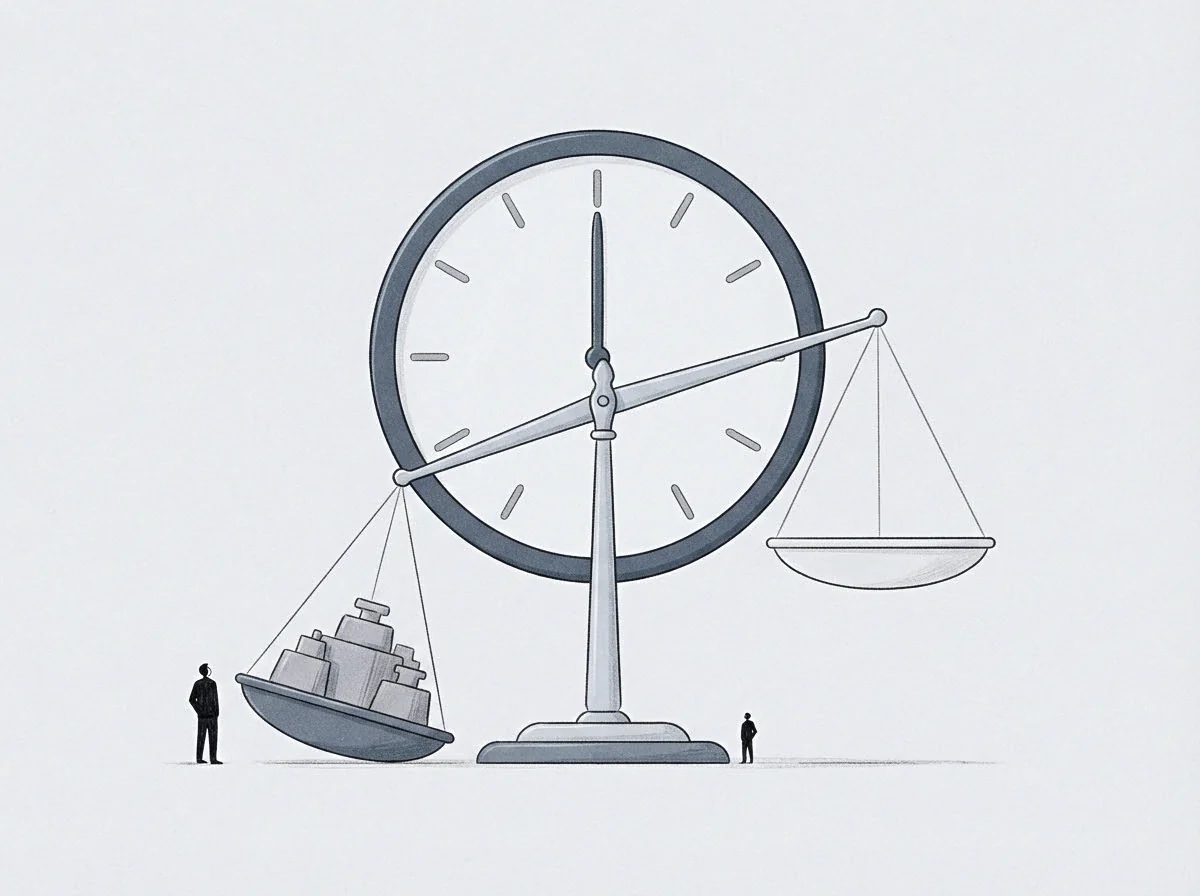
Boundaries for this suspension are reached only when the requested artifact is delivered in full. A freeze does not permit partial progress or gestures of goodwill because those acts reintroduce the very leak it was designed to plug. By keeping the meter stopped, the person holding the line maintains their capacity for other work.
Energy Cost
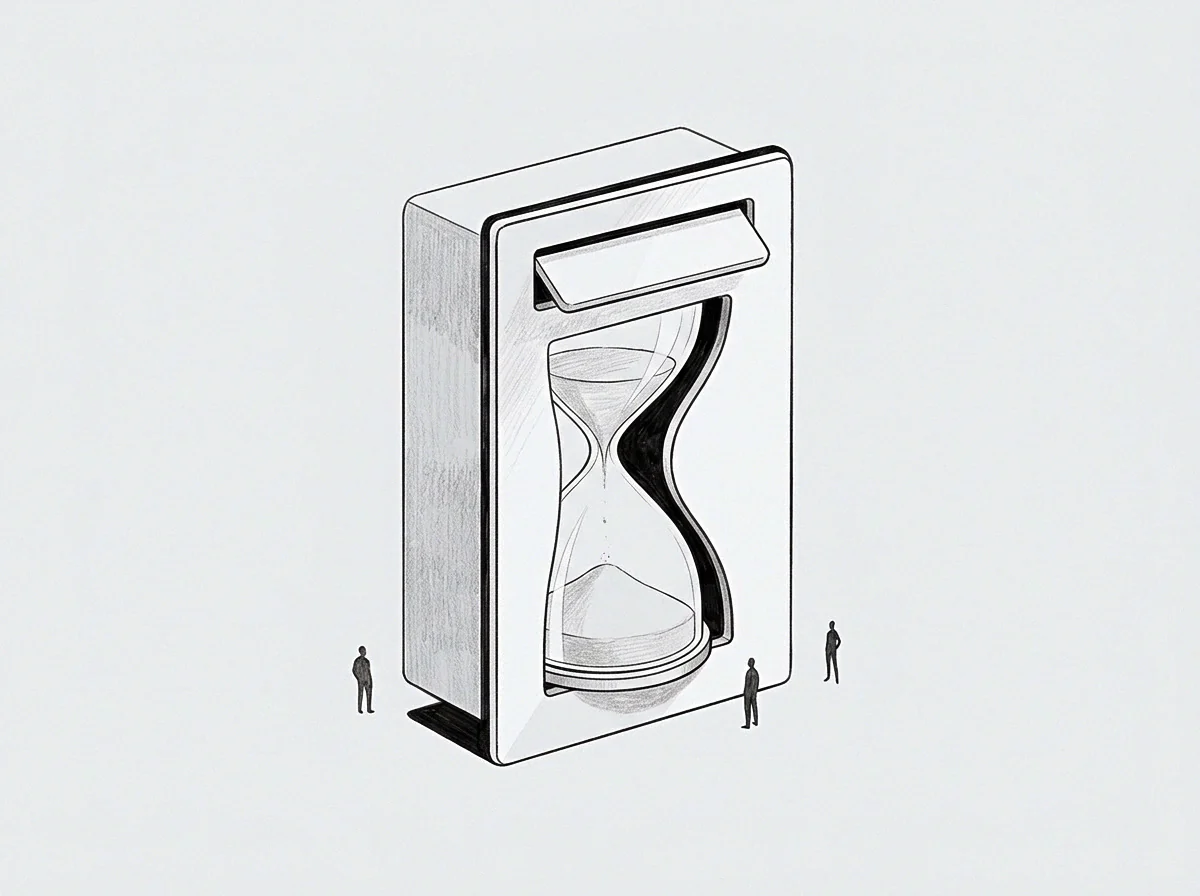
Maintaining a silent stance requires a high initial investment of resolve but eventually reduces the total burden on the mind. Once the suspension is established, the founder no longer spends hours checking for a reply that has not come. The waiting moves to the other side of the table.