Meaning
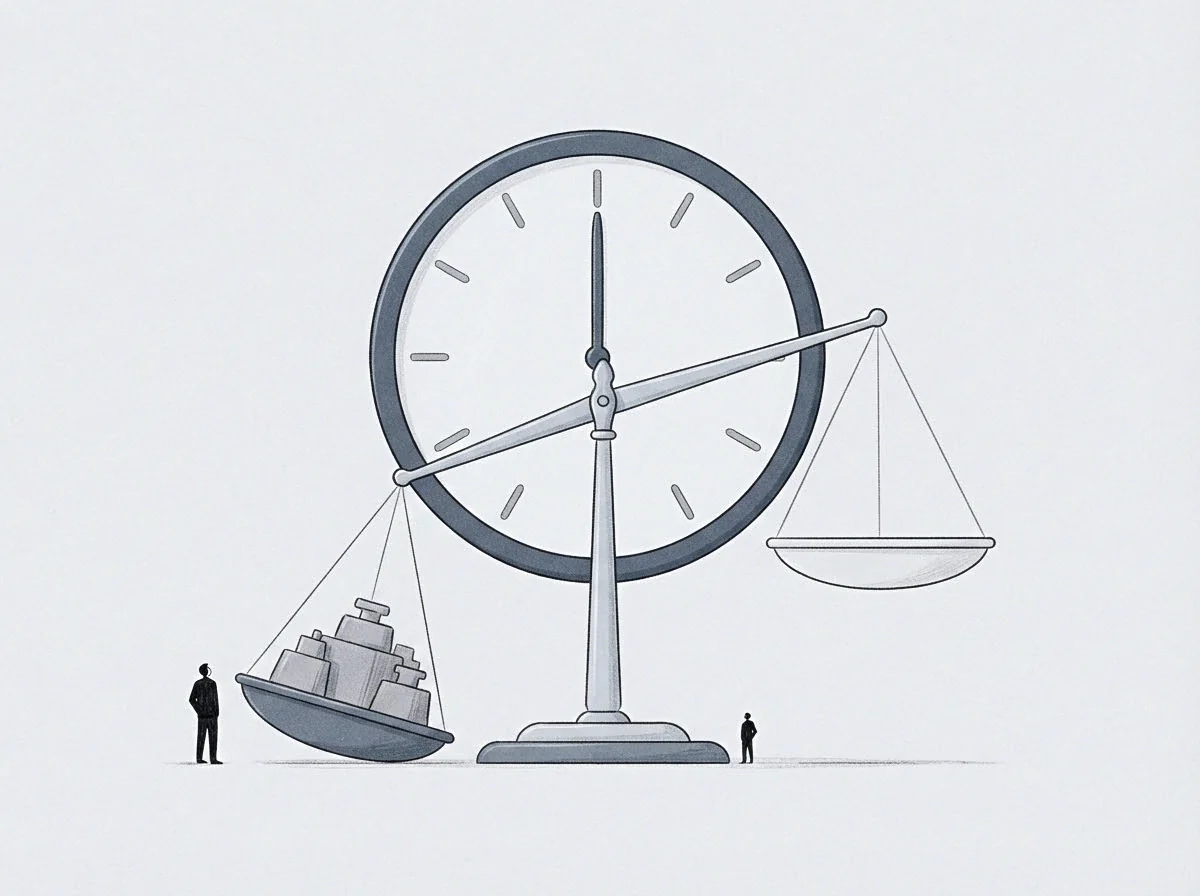
A shelf is a conceptual or physical holding area for tasks or projects that are paused, but whose next required action has been explicitly documented and externalized. It serves as a designated place for items awaiting a specific trigger or input from an external party or event. By placing an item on a shelf, the founder or operator removes it from active mental processing, thereby reducing the cognitive load associated with uncompleted work.
External Buffer
This mechanism functions as an external buffer against the mental burden of unfinished work. It transforms an internal mental queue into a visible, externalized list where the state of each item is clear. The shelf ensures that the details of a project’s next steps are recorded outside the founder’s mind, making the project inert until its activation condition is met.
It prevents pending items from drawing continuous attention.
Load Reduction
Employing a shelf specifically reduces the mental energy consumed by the ongoing need to remember and track uncompleted tasks. Once an item is placed on the shelf with its next action defined, the mind is freed from its active monitoring. This offloads a portion of the prospective memory load, allowing the founder to allocate cognitive resources to current, active projects.
The act of externalizing a task reduces its psychological cost.
Activation Condition
For an item on a shelf to move back into active work, a clear activation condition must be met. This condition is a predefined trigger, such as a specific date, a required input from a partner, or the completion of a prerequisite task. The shelf ensures that items are reactivated only when their external conditions align, preventing premature re-engagement and maintaining cognitive efficiency.
It enables a founder to manage multiple asynchronous workstreams without constant internal polling.