Meaning
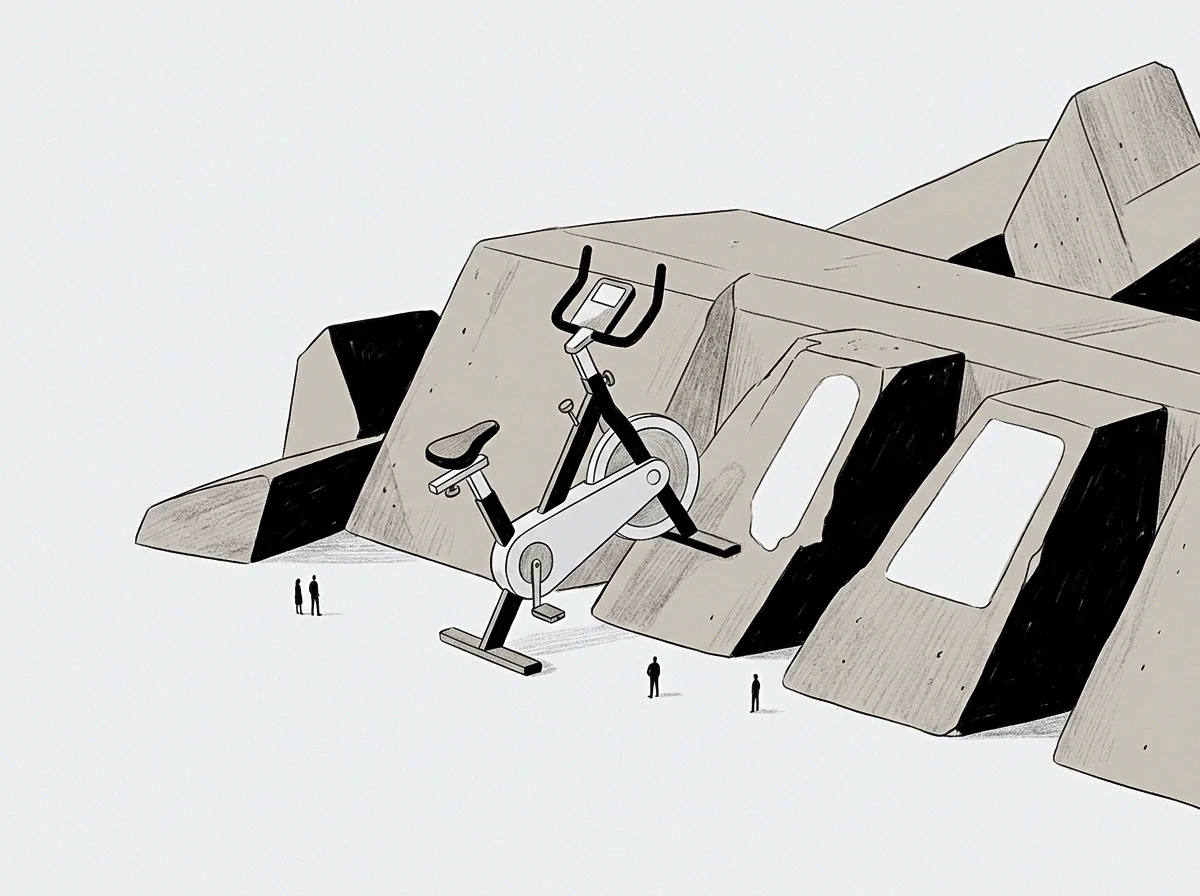
A perpetual commitment of time or energy arises when the parameters of a contribution are not fixed at the point of origin. The standing obligation describes a state where a voluntary act of support or provision converts into a requirement because the exit condition was never named. It governs the capacity drain.
Unlike a fixed debt with a clear principal and interest, this condition lacks a mechanism for automatic expiry.
Resource Persistence
This state develops when a founder provides architecture or labor without defining what completion looks like in the exchange. A standing obligation persists because the recipient treats the initial surge of effort as the new baseline for all future interactions, effectively locking the provider into a role they did not intend to occupy permanently. Capacity that was once surplus becomes a structural necessity for the other party.
Help provided in this manner consumes the hours of the person in the seat. It functions as an unwritten contract that bills for an ongoing presence.
Exit Ambiguity
The failure to specify a handover point or a terminal number of sessions creates a vacuum that an indefinite commitment fills. A standing obligation persists without markers. Measurement of the cost focuses on the steady erosion of the founder’s attention over months of unpaid labor.
One party assumes the help is permanent while the other waits for a signal to stop that never arrives. This absence of a stop-loss mechanism ensures the load remains on the person who first offered it even when the original problem is solved and the recipient has gained the capacity to manage the work independently.
Recovery Boundary
Ending the drain requires naming the point where the contribution is considered whole. A standing obligation terminates only when the operator differentiates between the content of the work and the structural architecture that supports its delivery. This happens through a private limit that specifies the end of the handover period.
Total clearance of the debt occurs only when the seat is fully vacated.