Meaning
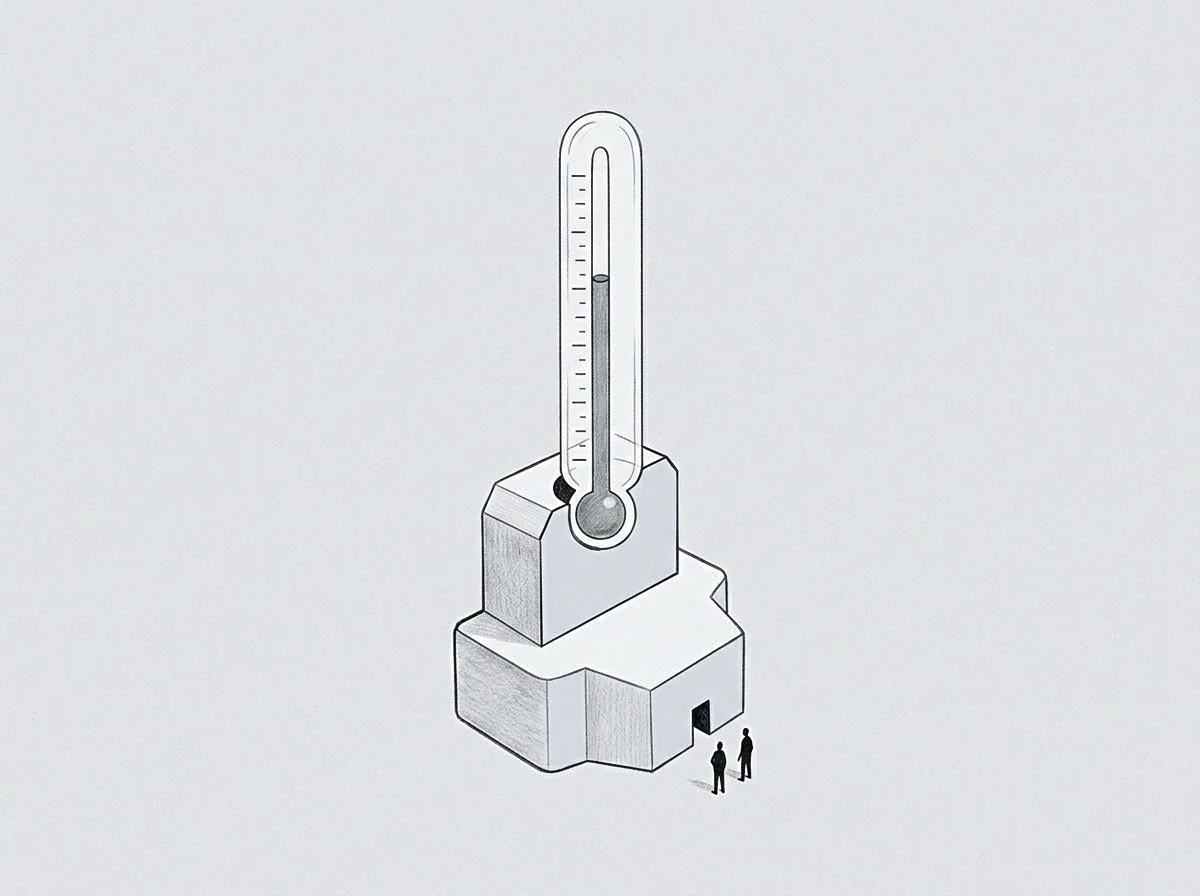
A psychological mechanism regulates the flow of external stimuli and social demands toward a person’s internal capacity. This filter operates by creating a boundary that limits the input a person receives, protecting their cognitive and emotional resources from overload. It governs the degree of interaction and exposure a person maintains with their environment and with other people, defining the limits of their social engagement.
The boundary applies to the continuous stream of information, requests, and presence a person encounters daily.
Formation Process
A person develops these internal boundaries over time, often without deliberate design or conscious intent. The formation of a filter frequently stems from an intrinsic need to manage sensory input or to preserve individual energy in environments perceived as overwhelming. This mechanism often develops through a series of repeated interactions where the founder experiences an escalating energy cost from open exposure to others’ demands and expectations.
Without a conscious decision, patterns of avoidance or selective attention are built, which then become the filter’s operational rules for engagement. This internal architecture establishes a default setting for social interaction, influencing how much of another person’s presence or needs an individual can sustain before experiencing depletion, and it dictates the terms by which a founder manages their own availability and capacity for collaboration.
Perception Mismatch
The internal purpose of a filter, which is to protect personal capacity, frequently contrasts with its external perception by others. To those outside this boundary, the filter can present as a form of detachment or coldness, rather than a necessary act of self-preservation. This discrepancy leads to misinterpretations of a founder’s intent or personality, where a protective boundary is perceived as aloofness, disinterest, or even unapproachability, generating a social cost in terms of missed connections or strained partnerships.
The operator of such a filter may not recognize this external reading until the effects on relationships or collaborations become apparent, often through feedback that names an absence rather than a presence.
Load Abatement
The primary function of a filter is to abate the continuous load placed upon a person’s attention and energy. By regulating input, the filter allows a founder to allocate resources to the work at hand without being overwhelmed by peripheral demands or social obligations, freeing critical capacity for deep work and focused problem-solving. This internal mechanism reduces the energy cost associated with constant processing of external stimuli and manages the capacity available for focused creation, making sustained attention possible even in demanding roles.
The effectiveness of a filter in reducing load directly impacts a person’s ability to sustain intense periods of work or to maintain clarity in complex situations; it is a critical determinant of their long-term operational endurance.